Matcha Marble Loaf: Green Tea Swirl That Pops
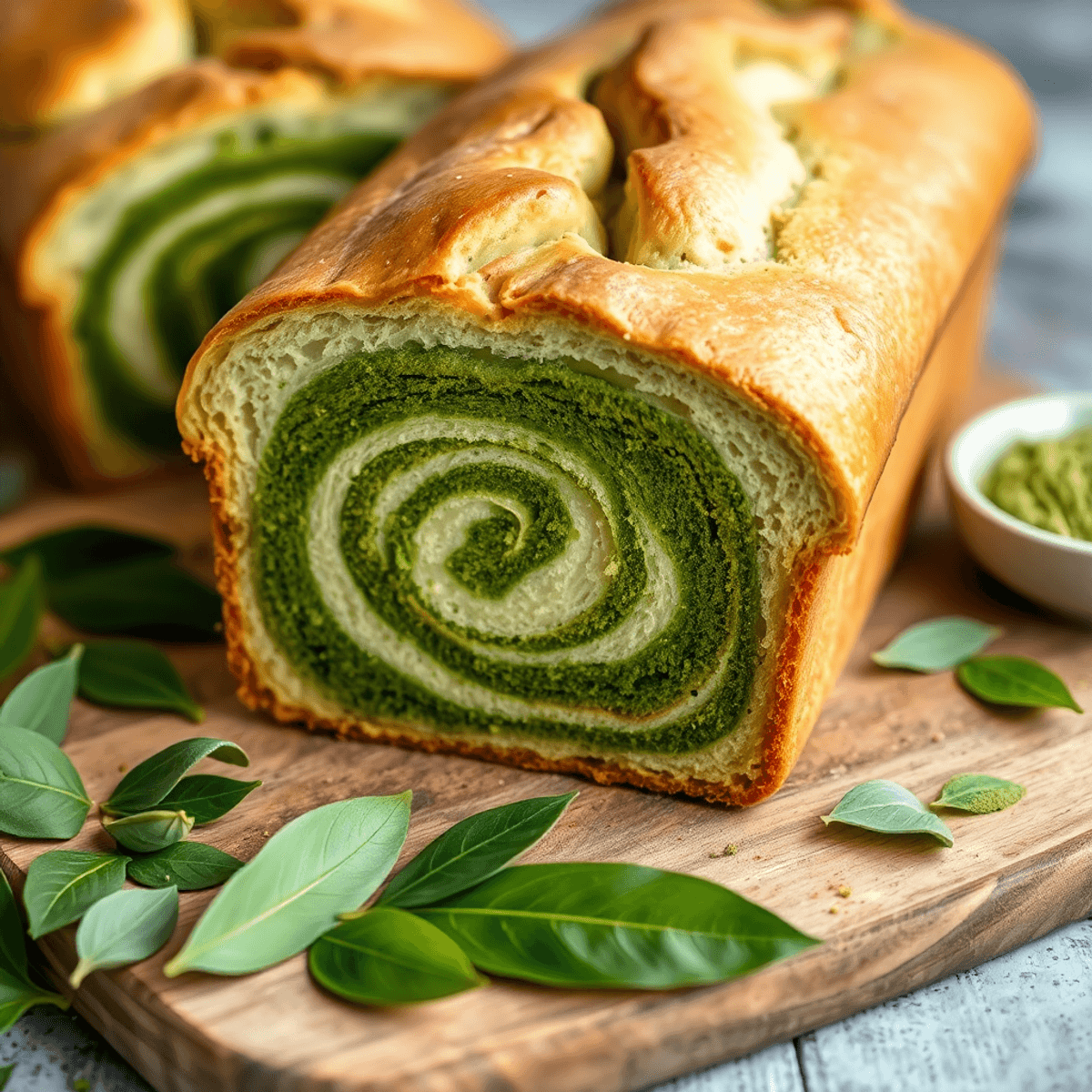
The matcha marble loaf is a special type of bread that turns regular baking into an artistic experience. This green tea swirl bread catches the eye with its bright green colors intricately mixed into soft, fluffy dough, creating a beautiful contrast that's pleasing both to look at and to taste.
Baking this matcha bread means embracing the earthy, slightly bitter flavor of finely ground green tea powder, which blends perfectly with the familiar comfort and texture of traditional bread. The result is a harmonious balance—where the freshness of matcha complements the tender crumb for a taste sensation that appeals to both matcha enthusiasts and bread lovers alike.
Matcha has become increasingly popular, not just in tea ceremonies but also in modern baking trends. From banana matcha bread to delicate matcha milk bread and even indulgent matcha red bean bread, this versatile ingredient brings not only a unique flavor but also valuable health benefits. Packed with antioxidants like catechins, matcha promotes wellness while adding its vibrant color and distinct taste to baked goods.
Key takeaway: This article will teach you how to make a beautiful and tasty matcha marble loaf from scratch—combining skill, flavor, and creativity to bring this green tea swirl bread into your home.
Understanding Matcha Marble Loaf
Matcha marble loaf definition: This distinctive bread features a swirl or marbled pattern created by incorporating vibrant green tea powder—matcha—directly into the dough. The result is a loaf where earthy green hues mingle with classic white dough, forming an eye-catching and appetizing contrast.
How the Green Tea Swirl Bread Is Made
- Two separate doughs are prepared: one plain, maintaining the familiar soft texture and neutral color of traditional bread; the other infused with matcha powder, imparting its signature green tint and subtle bitterness.
- These dough portions are skillfully combined by layering and rolling to achieve intricate swirls that reveal themselves after baking.
- This marbling technique turns a simple loaf into an artistic canvas, showcasing the vibrant matcha against the creamy base.
Differentiating Matcha Marble Loaf from Other Matcha Breads
Several popular matcha bread varieties share matcha as a core ingredient but differ in texture, form, and presentation:
- Plain Matcha Loaf: A uniform dough blended entirely with matcha powder, resulting in consistent green coloring and flavor throughout. It lacks the visual swirl but delivers the earthy taste in every bite.
- Matcha Shokupan: Known as Japanese milk bread, this style boasts a fuwa fuwa (fluffy) texture enhanced by milk and sometimes milk powder. When matcha is added evenly, it produces a soft, lightly sweetened green loaf ideal for sandwiches or toast.
- Matcha Mochi Bread: Combines glutinous rice flour or mochi elements with matcha, creating a chewy texture distinct from wheat-based loaves.
- Fuwa Fuwa Matcha Bun & Matcha Bread Roll: Smaller individual servings that incorporate matcha either fully or partially into their dough or fillings. Often enjoyed as snacks or accompaniments to tea.
The matcha marble loaf bread stands apart by artfully blending both plain and matcha-infused doughs rather than homogenizing them. This duality emphasizes visual appeal while balancing flavors—the smooth sweetness of white bread against the slightly bitter earthiness of green tea. The swirling patterns invite curiosity before tasting, making it a feast for eyes and palate alike.
Key Ingredients for a Successful Matcha Marble Loaf
Creating an eye-catching and flavorful matcha marble loaf starts with selecting the right ingredients. Each component plays a crucial role in balancing taste, texture, and appearance.
Matcha Powder: The Star of the Show
- Choose high-quality matcha powder to achieve a vibrant green hue and authentic earthy flavor. Ceremonial grade matcha offers the brightest color and most delicate taste, ideal for those seeking a refined profile.
- Culinary grade matcha works well in baking, providing robust flavor while being more budget-friendly.
- Avoid lower-grade powders that can impart bitterness or dull colors, affecting both visual appeal and taste of your matcha bread loaf.
Flour: Foundation for Structure and Texture
- Use bread flour or all-purpose flour depending on desired crumb. Bread flour yields better gluten development, creating a soft yet sturdy loaf.
- Some recipes incorporate almond flour for moisture, bringing subtle nuttiness and helping keep the crumb tender—especially popular in variations like Japanese matcha milk bread or fuwa fuwa bread matcha styles.
- For classic yeast breads such as those resembling duke bakery matcha mochi or shokupan, wheat-based flours remain the base.
Yeast: Essential for Rise and Lightness
- Active dry yeast or instant yeast facilitates proper fermentation, resulting in airy texture typical of Japanese matcha milk buns.
- Precise proofing times ensure dough development without over-fermentation, preserving the delicate balance between fluffiness and chewiness.
Dairy Components: Milk Powder & Butter
- Milk powder enriches dough with creaminess and helps achieve that soft crumb loved in fuwa fuwa style loaves.
- Butter adds tenderness and richness while rounding out the earthiness of matcha powder.
- Using whole milk or adding a bit of cream during dough preparation can further enhance moistness without overpowering flavors.
Sweeteners: Balancing Bitterness
- A touch of sugar or alternative sweeteners counteracts natural bitterness from green tea powder.
- Amounts can vary depending on whether you prefer your marble loaf mildly sweet (like Japanese matcha milk bread) or more neutral to highlight pure tea flavor.
- Honey or maple syrup offer nuanced sweetness along with added moisture.
Optional Flavor Enhancers
- Toasted nuts such as almonds or walnuts introduce crunch and deepen complexity.
- Chocolate chips or chunks pair beautifully with green tea’s grassy notes, creating an indulgent contrast inside the swirled dough.
- Dried fruits like cranberries provide bursts of tartness complementing both sweeteners and matcha.
These ingredients harmonize to produce a visually stunning marble loaf where the vivid green swirls showcase the distinctiveness of matcha alongside a soft, flavorful bread base. Each element contributes not just to taste but to achieving that perfect balance found in beloved varieties from duke bakery matcha mochi treats to traditional Japanese-style milk breads. Mastery begins with understanding these components before moving into shaping the characteristic marbled patterns.
Mastering the Art of Marbling Dough
Creating a matcha marble loaf begins with mastering the marbled bread technique—an artful process that brings the swirl pattern in bread to life. This visually captivating effect is achieved by preparing two distinct doughs: one plain and one infused with vibrant, earthy matcha powder.
Step-by-Step Guide to Marbling Dough
1. Prepare Two Separate Doughs
- Start by mixing your base dough using standard bread ingredients such as flour, yeast, sugar, butter, and milk powder.
- Divide this dough evenly into two portions.
- Incorporate high-quality matcha powder into one portion. Knead thoroughly to distribute the green tea powder evenly, resulting in a vivid green dough.
- Keep the other portion plain to create contrast.
2. First Rise (Proofing)
Allow both dough portions to rest and rise separately until they double in size. This ensures lightness and a tender crumb structure for both doughs.
3. Shaping and Layering for Swirls
Once proofed, gently punch down each dough to release excess air. Roll out each piece into flat rectangles of similar dimensions on a floured surface. Stack the matcha-infused dough on top of the plain dough (or vice versa) carefully to avoid air pockets.
4. Rolling and Folding
Roll the stacked layers tightly lengthwise or widthwise depending on your loaf pan shape. For more intricate swirls, you can fold the rolled dough once or twice before placing it into the loaf pan. This rolling and folding motion creates distinctive streaks of green and white that will be visible after baking.
5. Second Proofing
Place the shaped loaf into a greased loaf pan. Let it rise again until nearly doubled in size; this step ensures softness while maintaining swirl integrity.
6. Baking
Bake according to your recipe’s temperature and time guidelines. The heat will set the swirled pattern permanently within the crumb structure.
Tips for Perfect Matcha Marble Bread
- Use ceremonial-grade matcha for brighter color and subtle bitterness; culinary-grade can work but may yield a duller hue.
- Avoid over-kneading after combining layers to preserve swirl definition.
- For vegan matcha bread variations, substitute dairy and butter with plant-based alternatives like almond milk and coconut oil without compromising texture.
- Experiment with shapes beyond loaf pans—some bakers use round bannetons or braid techniques inspired by Paris baguette matcha croissant styles for unique presentation.
The process behind marbled bread technique transforms simple ingredients into an eye-catching creation where flavor and aesthetics unite beautifully within every slice of matcha bread.
Baking Your Own Matcha Marble Loaf: A Simple Recipe
Try this easy matcha marble loaf recipe designed for home bakers seeking a visually stunning and flavorful bread without complicated steps. The recipe uses accessible ingredients and straightforward techniques, delivering a delightful green tea swirl bread with a soft crumb.
Ingredients
- 3 cups bread flour (plus extra for dusting)
- 2 teaspoons instant yeast
- 1/4 cup sugar
- 1 teaspoon salt
- 1 cup warm milk (about 110°F/43°C)
- 2 tablespoons unsalted butter, softened
- 2 tablespoons high-quality matcha powder
- 2 tablespoons warm water (to dissolve matcha)
Optional:
- 1/4 cup chopped nuts or white chocolate chips to mix into dough
Equipment Needed
- Mixing bowls
- Kitchen scale or measuring cups
- Dough scraper or spatula
- Loaf pan (8x4 inch recommended)
- Clean kitchen towel or plastic wrap
- Oven
Step-by-Step Instructions
Step 1: Prepare the Base Dough
- In a large bowl, combine bread flour, instant yeast, sugar, and salt. Mix evenly.
- Warm the milk until slightly hot but not boiling; add softened butter and stir until melted.
- Pour the milk mixture into the dry ingredients; stir with a spatula or wooden spoon until a shaggy dough forms.
Step 2: Divide and Flavor the Dough
- Lightly flour your working surface and turn out the dough. Knead gently for about 5 minutes until smooth and elastic.
- Divide dough into two equal portions.
- In one portion, sprinkle matcha powder over the surface; drizzle warm water on top to help dissolve powder while kneading it into the dough evenly—this creates your vibrant green dough portion.
Step 3: First Proofing
- Place both plain and matcha dough portions in separate lightly greased bowls; cover with a clean towel or plastic wrap.
- Let them proof at room temperature for about 45–60 minutes or until doubled in size.
Step 4: Shape the Marble Loaf
- Once proofed, punch down each dough to release air bubbles gently. Roll each portion into a rectangle roughly the same size (about 8x6 inches).
- Place one rectangle atop the other carefully; roll them together tightly from one short edge to create layers of plain and matcha dough spiraled inside.
Step 5: Second Proofing in Pan
- Grease your loaf pan well; place the rolled dough seam-side down into it.
- Cover again and allow to rise for another 30–45 minutes until puffed up nearly double.
Step 6: Bake Your Matcha Marble Loaf
- Preheat your oven to 350°F (175°C).
- Optional: Brush loaf surface lightly with milk or egg wash for a glossy finish before baking.
- Bake for approximately 30–35 minutes until golden brown on top and cooked through (internal temperature should reach about 190°F/88°C).
Tips for Success
- Use high-quality matcha powder to get an intense green color and authentic flavor in your homemade green tea swirl bread instructions.
- Maintain consistent oven temperature to avoid overbrowning while ensuring thorough baking.
- For extra moisture and softness reminiscent of matcha mochi bread recipe, consider adding a tablespoon of glutinous rice flour in each dough portion.
- Cool your loaf completely on a wire rack before slicing to preserve its structure.
This simple approach turns baking into an enjoyable experience while producing that eye-catching marble effect characteristic of an easy matcha bread recipe.
Exploring Variations and Health Benefits of Matcha Marble Loaf
Matcha marble bread lends itself to a variety of delightful adaptations that enhance both flavor and texture. Here are some popular variations you can try:
1. Matcha Banana Bread Swirl
Combining ripe bananas with matcha powder introduces natural sweetness and moisture, resulting in a tender crumb that balances the earthiness of green tea. This variation appeals especially to those seeking a healthy matcha banana bread option, as bananas add potassium and fiber without refined sugars.
2. Red Bean Swirl Bread
Red bean paste (anko) pairs harmoniously with matcha’s slightly bitter notes, creating a classic Japanese-inspired flavor profile. The contrasting colors of vibrant green matcha dough intertwined with deep red beans produce an eye-catching loaf perfect for serving alongside tea or coffee. Notably, red beans also offer their own set of health benefits, which can be explored further in this article about the health benefits of azuki.
3. Matcha Chocolate Bread
For chocolate lovers, a matcha chocolate bread variation incorporates chunks or swirls of dark chocolate into the marble pattern. This combination creates rich taste dimensions while maintaining the signature matcha aroma. The bitterness of high-quality cocoa complements the grassy notes of green tea powder, appealing to those who enjoy indulgent yet balanced baked goods.
Nutritional advantages come from using premium matcha powder—either ceremonial grade or culinary grade—known for its dense concentration of antioxidants called catechins. These antioxidants contribute to numerous health benefits of matcha tea, including:
- Supporting metabolism and fat oxidation
- Enhancing mental focus due to natural caffeine content paired with L-theanine
- Providing anti-inflammatory effects
- Promoting cardiovascular health through improved blood flow
Selecting authentic, high-quality matcha ensures the vibrant green color and potent nutritional properties shine through in your marble loaf.
For specialized dietary preferences, there are variations like matcha bread vegan recipes that substitute dairy ingredients with plant-based alternatives such as almond milk or coconut oil, preserving the loaf's softness without compromising flavor. Those following low-carb diets may explore matcha keto bread options that use almond or coconut flour instead of wheat flour, allowing enjoyment of green tea flavors while adhering to ketogenic macros.
These variations maintain the core appeal of green tea matcha bread: a visually striking swirl pattern combined with unique flavor profiles and healthful ingredients. By experimenting with complementary additions like banana, red bean paste, chocolate, or adapting recipes for specific diets, bakers can create personalized versions of this versatile treat that suit any palate or lifestyle.
Enjoying Your Matcha Marble Loaf: Serving Suggestions and Pairings
Freshly baked matcha marble loaf offers a versatile base for numerous serving ideas for green tea swirl bread. Its delicate balance of earthy matcha flavor and soft crumb invites both simple and creative accompaniments to enhance the experience.
Simple Enjoyment
- Plain or Toasted Enjoy slices straight from the loaf to appreciate the natural aroma and subtle bitterness of matcha. Toasting adds a gentle crispness that contrasts beautifully with the tender interior.
- Spreads and Butters Cream Cheese: The smooth, tangy richness complements the green tea’s grassy notes without overpowering them.
- Flavored Butters: Try honey butter, yuzu-infused butter, or matcha butter itself for layered flavors that echo or contrast the bread’s profile.
Sweet Pairings
- Matcha Bread with Red Bean Paste A classic combination in Japanese confections, pairing your marble loaf with red bean paste (anko) creates a harmonious blend of earthy bitterness and sweet creaminess. Spread a thin layer inside a slice or serve alongside as a dip.
- Matcha Red Bean Bun Inspiration Emulate this popular treat by topping your loaf slices with sweetened red beans or folding them into a sandwich with whipped cream for a decadent twist.
- Additional Sweet Options Consider drizzling maple syrup, adding fresh berries, or spreading white chocolate ganache to bring out complementary flavors while maintaining balance.
Savory Toppings
- Mild Cheeses Soft cheeses like ricotta, mascarpone, or mild goat cheese add creamy texture and subtle tang that pairs well with matcha’s earthiness. These toppings introduce savory depth without overwhelming the palate.
- Avocado or Smoked Salmon For those seeking more complex flavor profiles, avocado mash sprinkled with sea salt or thin slices of smoked salmon can transform the loaf into an elegant snack or light meal.
Beverage Pairings
Green tea marble loaf pairs exceptionally with warm beverages such as:
- Matcha lattes to double down on green tea flavor.
- Mild black teas which complement without clashing.
- Lightly sweetened soy milk enhancing umami notes.
Experimenting with these serving ideas for green tea swirl bread unlocks new dimensions of enjoyment—whether you’re indulging solo or impressing guests with thoughtful pairings. The versatility of this matcha bread allows it to shine in both traditional and innovative culinary contexts.
Finding Inspiration: Where to Buy Authentic Matcha Marble Bread
Finding authentic matcha marble bread can enhance your enjoyment of this one-of-a-kind treat infused with green tea. Japanese-style bakeries have mastered the technique of incorporating matcha into their baked goods, offering a wide range of options that highlight the vibrant color and distinct flavor of this ingredient.
Notable Bakeries Specializing in Matcha Breads
Here are some types of bakeries you can explore to find delicious matcha breads:
- Japanese Bakery Matcha Breads: These bakeries often feature a wide range of matcha breads, including soft and fluffy shokupan (milk bread) swirled with matcha powder, as well as denser, richly flavored matcha swirl bread. The marbling technique used in these loaves is a common highlight, resulting in visually stunning creations that are both pleasing to the eyes and delicious to eat.
- Matcha Anpan and Sweet Bread Shops: Traditional Japanese bakeries frequently offer matcha anpan, a sweet bun filled with smooth red bean paste and infused with subtle matcha flavor. This variant combines the earthiness of matcha with the natural sweetness of beans, providing a perfect balance of taste and texture.
- Specialty Matcha Cream Bread Vendors: Some patisseries take matcha bread to the next level by adding rich matcha cream fillings or custards. These creations blend the robust bitterness of green tea with creamy indulgence, appealing to those who enjoy layered flavors.
What to Look For When Buying Matcha Bread
When purchasing matcha bread, keep an eye out for these characteristics:
- Vibrant green color indicating high-quality matcha powder usage.
- Soft yet resilient crumb structure typical of Japanese milk breads.
- Balanced sweetness that complements rather than overpowers the natural bitterness of matcha.
- Visible marbling or swirling patterns showcasing skilled dough preparation.
Exploring Local and Online Options
Here are some ways you can find authentic matcha bread:
- Many cities have genuine Japanese bakeries specializing in matcha tea bread, where you can find freshly baked loaves available every day. By visiting these shops, you can learn about traditional baking methods and get recommendations from experts.
- Online marketplaces are increasingly featuring artisanal matcha sweet bread that can be shipped nationwide. This allows enthusiasts to experience top-notch quality even if they don't live near physical stores.
Inspiration Beyond Borders
Trying out different versions of matcha marble loaf—ranging from classic styles found in Japan to innovative fusion recipes—can inspire both home bakers and food enthusiasts to create their own unique interpretations. By observing how various bakeries combine ingredients and textures, you can gain a deeper understanding of this delicate yet flavorful category of bread.
“The best way to appreciate the complexity of matcha marble loaf is by tasting it straight from expert hands—where tradition meets creativity.”
Exploring these sources will connect you directly with the origins and evolving trends in the world of matcha baking, igniting your curiosity and nurturing your culinary creativity.
FAQs (Frequently Asked Questions)
What is a matcha marble loaf and how is it different from other matcha breads?
A matcha marble loaf is a visually striking bread that incorporates swirled or marbled green tea (matcha) powder within the dough, creating a beautiful contrast between white and green sections. Unlike plain matcha loaves or shokupan, the marbling technique gives it a unique swirl pattern that enhances both appearance and flavor.
What are the key ingredients needed to bake a successful matcha marble loaf?
To bake a successful matcha marble loaf, you need high-quality matcha powder for vibrant color and earthy flavor, along with standard bread ingredients such as flour, yeast, milk powder, butter, and sugar or sweeteners to balance bitterness and create the right texture. Optional additions like almond flour can add moisture, while nuts or chocolate can enhance flavor complexity.
How do bakers create the marbled swirl effect in matcha marble bread dough?
Bakers prepare two separate dough portions—one plain and one infused with matcha powder. These doughs are then combined by rolling or folding them together in specific patterns to create distinct green and white swirls before baking. This marbling technique results in the signature visually appealing contrast of the bread.
Can you provide a simple recipe outline for making homemade matcha marble loaf?
A simple homemade matcha marble loaf recipe involves mixing two dough batches: one plain and one with matcha powder. After proper kneading, each dough is proofed separately, then combined using a rolling and folding technique to create swirls. The combined dough is then proofed again before baking until golden brown. Accessible ingredients and basic kitchen tools make this recipe suitable for home bakers.
What are some popular variations of matcha marble loaf and their health benefits?
Popular variations include banana-matcha swirl bread for added moisture and flavor depth, red bean swirl bread offering traditional sweetness, and vegan or keto-friendly versions tailored to dietary preferences. Using high-quality ceremonial or culinary grade matcha powder enriches these breads with antioxidants called catechins, which provide notable health benefits including improved metabolism and antioxidant support.
How should I serve and enjoy my freshly baked matcha marble loaf?
Freshly baked matcha marble loaf can be enjoyed plain or toasted with spreads like cream cheese or flavored butters. Pairing options include sweet complements such as red bean paste or savory toppings like mild cheeses to balance the earthy matcha flavor. These serving suggestions enhance the taste experience while highlighting the bread's unique texture and aroma.


Comments
Post a Comment