Ceremonial Grade Matcha Pie: Worth the Price?
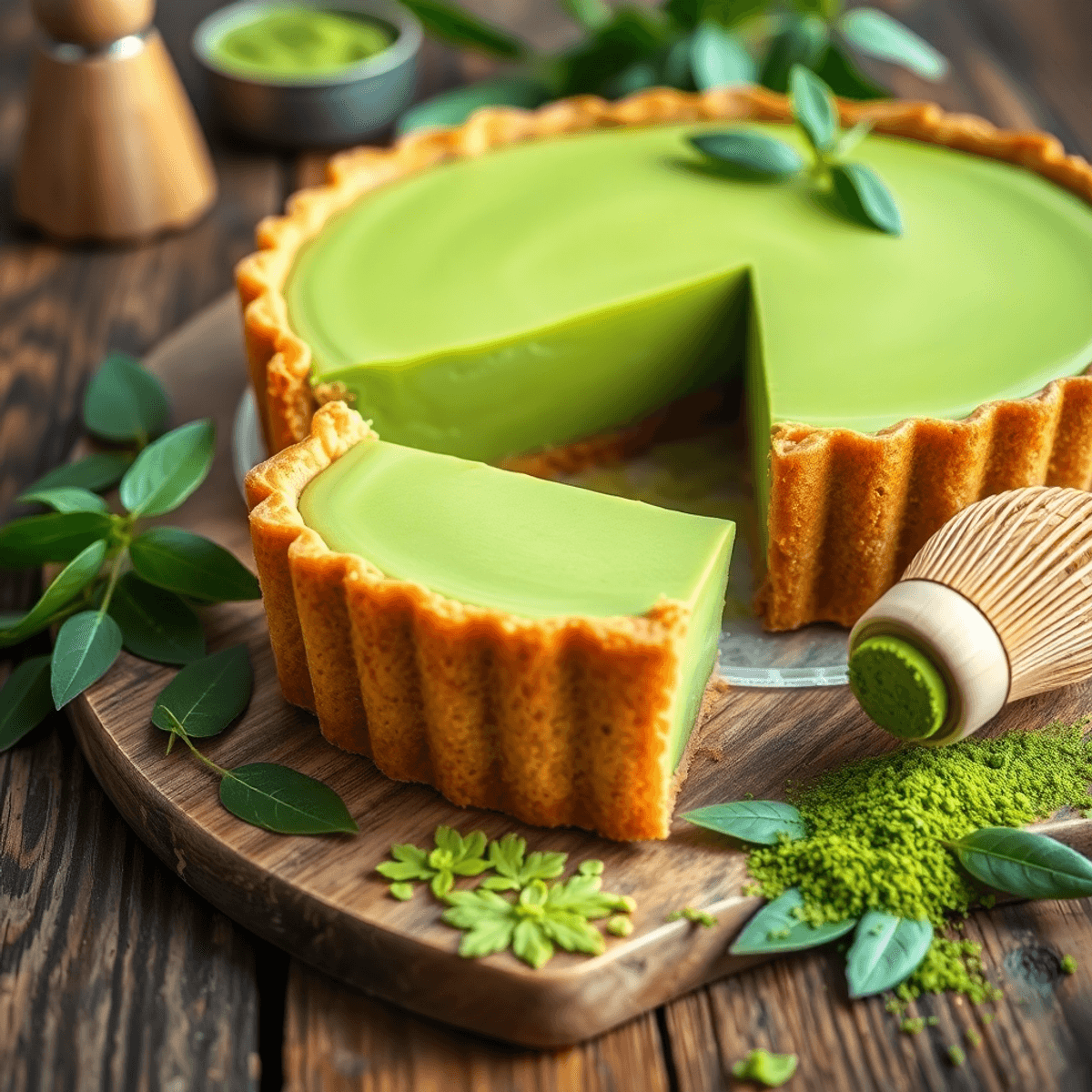
Matcha pie is a distinctive dessert that combines the classic appeal of traditional pie with the rich, vibrant essence of matcha green tea powder. This fusion creates a unique experience where familiar textures meet the earthy, slightly sweet flavors of matcha. The result is a dessert that stands out not only for its taste but also for its striking green appearance.
Central to this dessert’s allure is the use of ceremonial grade matcha, a premium matcha variety celebrated for its exceptional quality. Unlike culinary grade powders commonly used in cooking, ceremonial grade matcha offers a brighter green color, smoother texture, and more refined umami flavor. These qualities elevate the pie’s filling and toppings, enhancing both flavor and presentation.
The key question arises: Is using ceremonial grade matcha in pies worth the higher price? Considering the cost difference and its impact on flavor, appearance, and overall dessert experience helps home bakers and professionals decide whether this premium ingredient justifies its investment.
Exploring the world of ceremonial grade matcha pie reveals insights into how this premium green matcha transforms a simple dessert into something extraordinary.
Understanding Matcha and Its Grades
Matcha is a finely ground green tea powder that holds deep cultural significance in Japan. Traditionally used in tea ceremonies, matcha offers a unique experience combining flavor, health benefits, and artistry. Its origins trace back to centuries-old practices in Japanese tea culture, particularly centered around regions like Uji, Kyoto—an area renowned for producing some of the finest matcha in the world.
Key distinctions between matcha grades help determine its best uses:
1. Ceremonial Grade Matcha
- Considered the highest quality premium matcha.
- Exhibits a vibrant green colour that immediately signals freshness and purity.
- Offers a smooth umami flavor profile—delicate yet rich, without bitterness.
- Prepared using traditional stone-grinding methods that preserve aroma and texture.
- Primarily intended for drinking but increasingly favored in high-end desserts due to its superior taste.
2. Culinary Grade Matcha
- Designed for cooking and baking applications.
- Typically features a more muted green hue compared to ceremonial grade.
- Flavor leans toward a stronger, slightly bitter taste which stands up well to mixing with other ingredients.
- More affordable option for everyday use where intense matcha flavor or appearance is less critical.
The authentic Uji matcha origin plays a significant role in quality. The region’s climate, soil conditions, and specialized cultivation techniques contribute to the distinct characteristics of Uji matcha premium products. Tea farmers carefully shade the tea plants before harvest to boost chlorophyll content, resulting in the signature bright color and enhanced amino acids that define premium matcha.
Choosing between ceremonial grade and culinary grade affects both the sensory experience and price point when incorporating green tea powder into recipes. Understanding these differences guides you in selecting the right type of matcha for your baking projects—whether aiming for visual impact or balancing cost with flavor intensity. For more detailed insights into the specific differences between these two types of matcha, you can refer to this comprehensive guide on the difference between ceremonial and culinary matcha.
Why Ceremonial Grade Matcha is Perfect for Pies
Visual Appeal
Ceremonial grade matcha transforms a simple dessert into a visually stunning masterpiece. When used in a matcha custard pie or matcha green tea pie, its vibrant color stands out sharply against traditional pie fillings.
This bright green hue is a signature characteristic of high-quality matcha, reflecting the meticulous stone-ground process and the rich history of Uji matcha production.
The vivid color brings an instant sense of freshness and elegance to your dessert presentation.
Flavor Enhancement
Flavor plays an equally important role in elevating pies made with ceremonial grade matcha. The powder delivers an earthy yet smooth taste that carries subtle umami notes—an essential element that distinguishes premium matcha from lower grades.
You can almost taste the centuries-old tea ceremony tradition embedded in every bite, where delicate whisking techniques unlock the full potential of Uji matcha flavor.
This nuanced flavor profile enhances the complexity of desserts, deepening their richness without overpowering other ingredients.
Comparing Ceremonial Grade to Culinary Grade Matcha
Comparing ceremonial grade to culinary grade matcha reveals significant differences:
- Color: Culinary grade tends toward duller, muted greens that can fade during baking. Ceremonial grade maintains its bright vibrancy, even after heat exposure.
- Flavor: Culinary grade offers a more bitter and less refined taste, often requiring added sugar or masking ingredients. Ceremonial grade provides a naturally smooth taste with balanced umami, reducing the need for excessive sweeteners.
- Texture: The fine stone-ground powder of ceremonial matcha dissolves seamlessly into custards and fillings, creating creamy layers without graininess.
These qualities make ceremonial grade matcha particularly suited for desserts aiming to capture both aesthetic beauty and a refined flavor experience. In pies, this translates into colorful layers that not only look appealing but also deliver a sophisticated palate sensation unique to authentic Uji matcha history and craftsmanship.
Matcha Pie Recipes Featuring Ceremonial Grade Matcha
Crafting a matcha pie with ceremonial grade matcha requires attention to ingredients and techniques that highlight the powder’s premium qualities. The goal is to preserve the vibrant green color and delicate umami flavor while combining complementary textures and tastes.
Ingredients for Matcha Pie Crust and Filling
1. Crust Options
- Classic buttery crust: All-purpose flour, cold unsalted butter, sugar, pinch of salt, and ice water. This traditional base adds a rich, flaky texture that balances the earthiness of matcha.
- Nutty crust variations: Incorporate ground almonds or pistachios for added texture and subtle nutty notes that pair well with matcha’s profile.
- Gluten-free alternatives: Use almond flour or oat flour blends to create a tender crust without gluten, suitable for sensitive diets.
2. Matcha Custard Filling
Heavy cream or dairy alternatives like coconut cream or cashew cream provide richness without overpowering matcha’s nuances. Eggs act as a binding agent, creating a smooth custard texture. Sweeteners such as maple syrup, honey, or organic cane sugar enhance sweetness naturally while respecting the premium taste of ceremonial grade matcha. Ceremonial grade matcha powder is folded in carefully to preserve its vivid color and nuanced flavor.
3. Alternative Fillings
Pumpkin puree combined with matcha custard introduces seasonal warmth and complexity through layering. Silken tofu or Greek yogurt can be used in vegan or lighter versions to replace some dairy components without sacrificing creaminess.
Baking Techniques for Vibrant Color and Layering
1. Temperature Control
Bake at moderate temperatures (around 325°F/160°C) to prevent browning that dulls the bright green hue of ceremonial grade matcha. Overheating can cause color degradation and bitterness.
2. Layering Methods
Creating distinct layers—for example, a bottom layer of pumpkin puree topped with a smooth matcha custard—adds visual appeal and textural contrast. Pour each layer gently over the back of a spoon to maintain separation.
3. Pre-baking Crust
Incorporating techniques like par-baking the pie crust before adding fillings helps avoid sogginess. Use pie weights and parchment paper during this step for even cooking.
4. Cooling Process
Cool pies gradually at room temperature then refrigerate to allow flavors to meld without condensation that could affect texture or appearance.
Tips on Dairy Alternatives and Natural Sweeteners
Opt for coconut cream when you want a subtle tropical undertone that won’t overshadow matcha’s umami flavor. It also enhances the creamy mouthfeel essential in custard-like fillings.
Use maple syrup or agave nectar as sweeteners to keep sweetness balanced while adding depth beyond refined sugars. These natural options complement ceremonial grade matcha without masking its delicate taste.
When selecting plant-based milks (almond, oat), choose unsweetened varieties to avoid excess sweetness that competes with the natural bitterness of high-quality matcha.
Variations in Matcha Pie Recipes
Experimentation with ingredient combinations opens up possibilities:
- Adding citrus zest (yuzu or lemon)
- infuses a refreshing tang that cuts through the richness of the pie.
- Incorporating toasted nuts (such as pistachios or almonds) brings a contrasting crunch and earthiness.
- For a touch of elegance, consider incorporating edible flowers like lavender or rose petals, which add both visual appeal and subtle floral notes.
- By exploring these variations and techniques, you can create a matcha pie that not only showcases the unique characteristics of this beloved ingredient but also reflects your own creativity in the kitchen.
Variations and Flavor Pairings with Ceremonial Grade Matcha Pies
Ceremonial grade matcha pies invite creativity through diverse flavor combinations that respect the powder’s refined character. Incorporating fruits like apple or pumpkin adds natural sweetness and texture, complementing the earthy, umami-rich matcha.
Fruit-Based Variations
- Matcha Apple Pie: Apples bring crispness and brightness that contrast beautifully with matcha’s deep vegetal notes. Thinly sliced apples layered beneath or atop a matcha cream pie create a balance between tart fruitiness and smooth, luxurious cream milk pie fillings.
- Pumpkin Matcha Pie: Pumpkin’s subtle sweetness and silky texture layer well with matcha custard or mousse, producing an elegant two-tone dessert. This variation highlights autumnal flavors while preserving the vibrant green hue of ceremonial grade matcha.
Toppings for Matcha Pies
Enhancing texture without overwhelming the delicate umami taste requires thoughtful topping choices:
- Whipped Cream: Lightly sweetened whipped cream offers a creamy contrast that softens matcha's intensity without masking its flavor. For dairy alternatives, coconut cream can maintain richness with a subtle tropical note.
- Nuts: Toasted almonds, pistachios, or hazelnuts add crunch and nutty undertones that harmonize with matcha’s earthiness. Sprinkling finely chopped nuts atop the pie before serving introduces complexity without overpowering.
- Seeds and Edible Flowers: Black sesame seeds or edible flowers like chrysanthemum petals provide visual appeal and subtle flavor accents, enhancing the pie’s luxury presentation.
Serving Ideas for Different Occasions
Ceremonial grade matcha pies suit various settings by adapting presentation and accompaniments:
- Tea Ceremonies and Formal Gatherings: Serve small slices paired with traditional Japanese sweets (wagashi) to highlight cultural heritage. The antioxidant-rich nature of matcha supports mindful indulgence during such refined occasions.
- Casual Brunches or Afternoon Tea: Larger wedges accompanied by fresh fruit platters or light salads make for a refreshing yet sophisticated treat. Cream milk pie versions topped with fresh berries add an approachable sweetness ideal for daytime events.
- Holiday Celebrations: Pumpkin-matcha pies garnished with spiced nuts and dollops of whipped coconut cream introduce festive flair while maintaining elegance. Their unique flavor profile offers a luxurious alternative to conventional holiday desserts.
Exploring these variations allows you to tailor ceremonial grade matcha pies to your taste preferences and event styles, making them versatile enough for everyday enjoyment or special moments.
Health Benefits of Using Ceremonial Grade Matcha in Desserts
Ceremonial grade matcha from Uji is prized not only for its flavor and color but also for its significant health properties. This premium matcha is traditionally cultivated through shade-grown methods in the Uji region, a process that enhances its antioxidants in matcha content. These antioxidants, particularly catechins like EGCG (epigallocatechin gallate), are known to combat oxidative stress and support cellular health.
Rich Antioxidant Profile
- High Levels of Catechins: The shade-grown cultivation boosts chlorophyll and catechin levels, resulting in a vibrant green powder packed with antioxidants.
- Free Radical Neutralization: Regular consumption can help reduce inflammation and promote overall wellness by fighting free radicals.
- Enhanced Nutrient Density: Artisan made Uji matcha retains these nutrients through careful stone grinding that avoids heat damage.
L-Theanine Benefits for Mind and Body
One unique component found abundantly in ceremonial grade matcha is L-theanine, an amino acid responsible for the calming yet alert sensation often associated with green tea.
- Calming Effects: L-theanine promotes relaxation without drowsiness by increasing alpha wave activity in the brain.
- Stress Reduction: It can alleviate anxiety and improve focus, making desserts containing this compound a gentle way to unwind.
- Balanced Energy: When combined with caffeine naturally present in matcha, L-theanine smooths out the energy boost to avoid jitters or crashes typical of other caffeinated treats.
Dessert Nutrition Elevated by Premium Matcha
Integrating ceremonial grade matcha into desserts transforms them into indulgences that carry nutritional benefits uncommon in conventional sweets.
- Lower Sugar Alternatives: Recipes often incorporate natural sweeteners like maple syrup or honey, complementing the umami flavor while reducing processed sugar intake.
- Potential Metabolic Boost: The antioxidants and catechins may assist metabolism regulation, supporting weight management efforts when consumed mindfully.
- Mindful Indulgence: Enjoying a slice of ceremonial grade matcha pie offers a sense of indulgence paired with compounds that encourage mental clarity and antioxidant protection.
This combination of rich antioxidant content, L-theanine's unique benefits, and artisan quality from Uji’s traditional preparation methods positions ceremonial grade matcha pies as desserts that nourish both body and mind. Choosing such a dessert means embracing not just flavor excellence but also the health advantages embedded within this revered green tea powder.
Cost Considerations: Is Ceremonial Grade Matcha Worth the Investment?
The price difference between ceremonial grade matcha and culinary grade matcha can be significant. Ceremonial grade typically costs more, sometimes two to three times higher per gram than culinary grade. This difference becomes especially noticeable when baking larger quantities of matcha pie or other desserts.
Factors Influencing the Higher Cost
Artisan Production Methods
Ceremonial grade matcha undergoes meticulous selection and processing. Leaves are handpicked from shade-grown tea plants, then stone-ground slowly to preserve delicate flavors and vibrant color. This slow, traditional method limits volume but ensures the characteristic smooth umami taste that defines luxury ingredient cost.
Genuine Sourcing from Uji Region Suppliers
The Uji region in Kyoto is renowned for producing some of the highest quality matcha in the world. Authentic Uji matcha price reflects not only the terroir but also the generations of expertise invested by local farmers and millers. Genuine sourcing guarantees you receive pure ceremonial grade matcha rather than blends or lower-grade powders marketed as premium.
Weighing Benefits Against Expense
Superior Taste and Appearance
Using ceremonial grade matcha in your pie elevates flavor with its bright, earthy notes and enhances presentation through a strikingly vivid green hue. This can transform a simple dessert into an artisanal creation that appeals to discerning palates or upscale menus.
Increased Expense for Home Bakers or Professionals
For home bakers experimenting with matcha pies, the investment grade matcha cost might feel steep, especially since only small amounts are needed per recipe but must be purchased in minimum quantities. Professional chefs must consider whether this added cost justifies potentially higher menu prices or customer satisfaction.
Practical Considerations
- Buying from trusted suppliers who provide transparency about origin helps avoid paying premium prices for substandard powder.
- Portion control is vital; using smaller amounts of ceremonial grade matcha can still impart noticeable quality without excessive expense.
- Balancing culinary grade with small doses of ceremonial grade may offer a compromise—achieving better flavor and color while managing luxury ingredient cost.
Deciding whether to invest in genuine Uji ceremonial grade matcha hinges on your priorities for flavor authenticity, visual impact, and willingness to absorb higher ingredient costs within your baking projects.
Storage and Preservation of Ceremonial Grade Matcha for Baking Use
Preserving the freshness of Uji matcha requires careful attention to storage methods. This is especially critical for investment grade Uji matcha where the quality directly influences the flavor and appearance of your baked goods. Matcha powder is highly sensitive to light, heat, moisture, and air exposure—all factors that can degrade its vibrant color and delicate umami taste.
Key Storage Techniques for Premium Green Tea Powder
- Cool, Dark Place: Store your ceremonial grade matcha in a cupboard or pantry away from direct sunlight and heat sources. Light accelerates oxidation, causing the bright green hue to dull into a yellowish tint.
- Airtight Containers: Oxygen exposure leads to rapid freshness loss. Use containers with tight seals or vacuum-sealed bags designed for food storage. Avoid frequently opening the container unless needed.
- Refrigeration: For longer-term preservation, refrigeration slows down oxidation and microbial growth. Ensure the container is airtight to prevent moisture absorption and odor transfer from other foods.
- Portion Control: Divide matcha powder into smaller portions in separate containers to minimize repeated exposure each time you open a package.
Impact on Flavor Retention for Baking
Ceremonial grade matcha’s smooth, umami-rich flavor is fragile. Improper storage results in:
- Flavor Deterioration: Oxidized matcha loses its signature sweetness and complexity, becoming bitter or stale tasting. This diminishes the dessert’s overall profile.
- Color Fading: The vibrant green is a hallmark of premium Uji matcha pies. Color loss makes your baked creations less visually striking, defeating one of the main reasons for choosing ceremonial grade.
- Texture Changes: Moisture uptake can cause clumping and spoilage, complicating incorporation into delicate custards or pie fillings.
Maintaining freshness through proper storage ensures that your ceremonial grade matcha performs at its best during baking. The payoff appears in desserts with vivid color layers and refined flavors that highlight why this premium ingredient commands a higher price point.
Conclusion
Choosing the right grade of matcha for your baking projects depends heavily on what you value most: flavor excellence or budget. When you prioritize baking with premium ingredients, ceremonial grade matcha stands out with its vibrant color, delicate umami flavor, and smooth texture that elevate any matcha pie beyond the ordinary.
- Flavor Excellence: Ceremonial grade matcha delivers a refined taste profile that culinary grade powders cannot match. Its bright green hue and subtle sweetness come directly from the traditional cultivation Uji matcha quality, cultivated carefully in Kyoto’s revered tea gardens.
- Budget Considerations: The higher price of ceremonial grade matcha reflects artisanal craftsmanship and authentic sourcing from Uji, but it can be a significant factor for home bakers or small businesses.
Appreciating the deep Japanese heritage embedded in every scoop of ceremonial grade matcha adds a meaningful layer to your culinary creations. This heritage embodies centuries of expertise and dedication to quality — values that resonate strongly when crafting desserts like matcha pie.
Using ceremonial grade matcha is not just about taste; it’s about honoring tradition and embracing the artistry behind this exceptional ingredient.
Your decision to invest in premium Uji ceremonial grade matcha should align with your goals in baking. Whether you seek to impress guests with a stunningly vibrant pie or simply want an affordable option for everyday treats, understanding these trade-offs will guide you toward the best choice.
Embrace the rich history and superior quality that comes with ceremonial grade matcha. It transforms simple desserts into something memorable, connecting you directly to Japan’s storied tea culture through each delicious bite.
FAQs (Frequently Asked Questions)
What makes ceremonial grade matcha ideal for use in matcha pies?
Ceremonial grade matcha is prized for its vibrant green color, smooth umami flavor, and traditional stone-ground preparation. These qualities enhance the visual appeal and provide a refined, earthy taste that elevates the complexity of matcha pies compared to culinary grade matcha.
How does Uji matcha differ from other types of matcha used in desserts?
Uji matcha originates from the Uji region near Kyoto, Japan, known for its traditional cultivation and artisan production methods. This premium origin contributes to the superior quality, vibrant color, and smooth taste of Uji ceremonial grade matcha, making it a luxury ingredient for desserts like matcha pies.
Are there popular variations of matcha pie that incorporate ceremonial grade matcha?
Yes, popular variations include matcha apple pie and pumpkin layered with matcha custard. These pies often feature complementary toppings such as whipped cream or nuts that enhance texture while preserving the delicate umami flavor of ceremonial grade matcha, offering versatile serving options for different occasions.
What are the health benefits of using ceremonial grade matcha in desserts like pies?
Ceremonial grade matcha is rich in antioxidants and contains L-theanine, which has calming effects contributing to overall wellness. Incorporating this high-quality green tea powder into desserts provides an indulgent treat with potential health advantages over conventional sweets.
Is the higher cost of ceremonial grade matcha justified when baking pies?
While ceremonial grade matcha is more expensive due to artisan production and authentic sourcing from Uji suppliers, many find the superior taste, vibrant color, and traditional craftsmanship worth the investment. The enhanced sensory experience can justify the cost for both home bakers and professional chefs seeking premium quality.
How should ceremonial grade matcha be stored to maintain freshness for baking purposes?
To preserve freshness and flavor retention critical for baking applications like pies, ceremonial grade matcha should be stored in airtight containers placed in a cool, dark environment. Proper storage helps maintain its vibrant color and smooth umami profile essential for premium dessert quality.


Comments
Post a Comment