Matcha Red Bean Roll Cake: Sweet, Fluffy, No Cracks
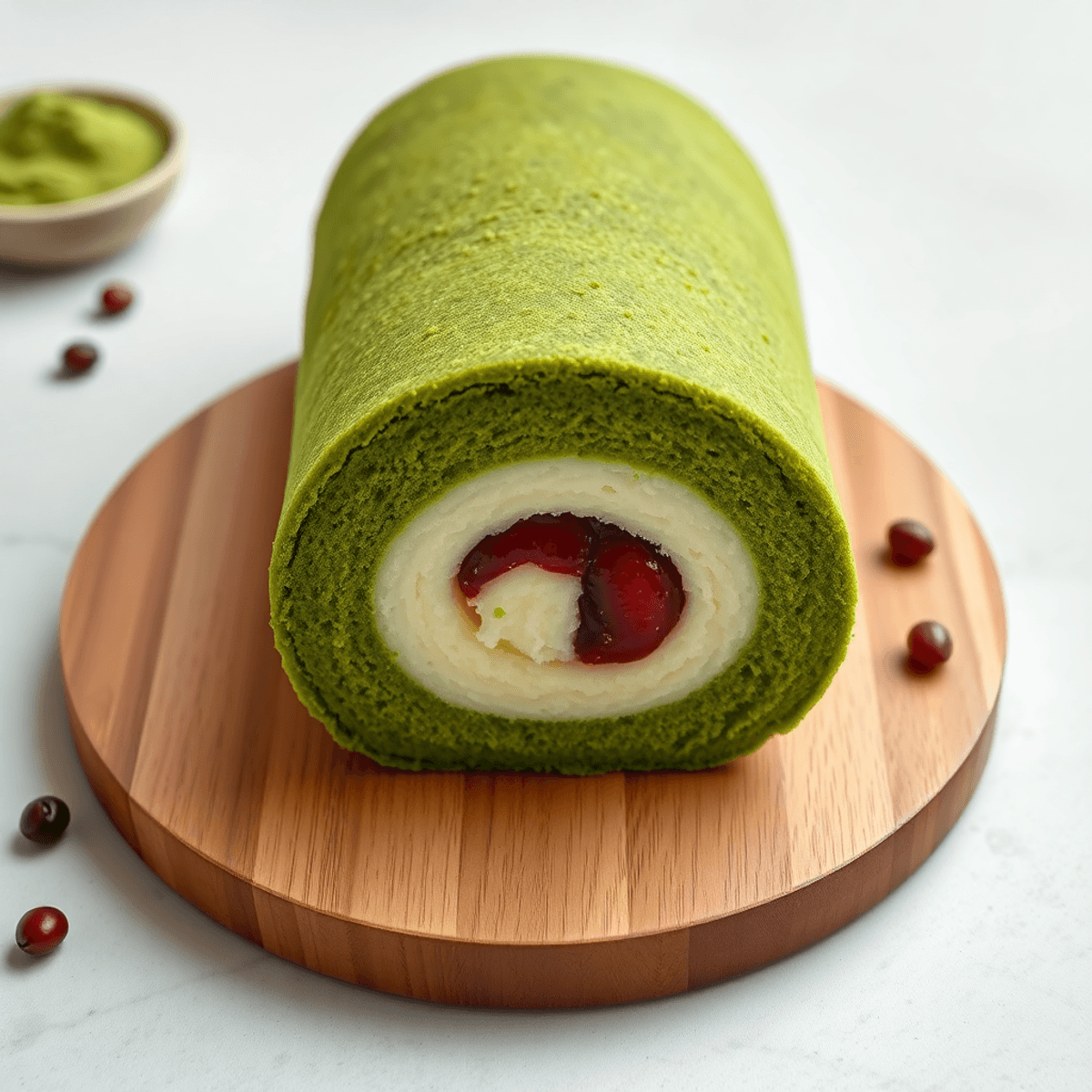
Japanese desserts have captivated palates worldwide with their delicate flavors and refined textures. Among these treats, the matcha roll cake stands out as a beloved classic. This dessert, often referred to as roll cake matcha, matcha swiss roll cake, or simply matcharoll, showcases the vibrant green hue and earthy aroma of matcha — finely ground powder from shade-grown green tea leaves — baked into a soft, fluffy sponge.
The Matcha Red Bean Roll Cake elevates this concept by pairing the subtle bitterness of matcha with the natural sweetness of red bean paste. This harmonious blend creates a unique flavor profile treasured in Japanese confectionery: the creamy, lightly sweetened adzuki beans complement the grassy notes of the green tea, resulting in a dessert that is both refreshing and indulgent.
Readers embarking on this culinary journey will discover how to master the art of crafting a perfect swiss roll matcha or green tea matcha roll cake that is:
- Sweet yet balanced
- Exceptionally fluffy
- Free from cracks or breaks during rolling
This guide delves into each step—from choosing quality ingredients and essential tools to baking techniques that ensure a tender sponge and flawless appearance. Whether you are a seasoned baker or new to Japanese sweets, preparing this roll cake will deepen your appreciation for its cultural roots and delightful taste.
Understanding Matcha Red Bean Roll Cake
The matcha roll cake is a delightful dessert that combines the lightness of a sponge cake with the rich flavors of matcha and adzuki bean. It's a perfect treat for those who appreciate the balance of sweet and bitter tastes.
Texture and Flavor Profile
The texture and flavor of the matcha roll cake come from its key ingredients and preparation methods:
- Softness: The cake is made using whipped egg whites mixed with cake flour and matcha, resulting in a tender texture that bends without breaking.
- Moisture: The sponge cake is kept moist enough to be flexible for rolling, preventing any cracks while still being fluffy.
- Flavor: The bright green color of the cake indicates the presence of high-quality matcha powder, which adds grassy and slightly bitter notes to the overall taste.
Traditional Harmony: Matcha and Adzuki Paste
One of the defining features of this dessert is its filling—sweetened adzuki (red bean) paste. This combination has deep roots in Japanese cuisine where:
- Adzuki beans provide natural sweetness and earthiness.
- The smooth or slightly textured consistency of the paste complements the softness of the sponge cake.
- The bitterness from matcha balances out the richness of red bean sweetness.
This pairing can be found in various Japanese sweets such as mochi and dorayaki, showcasing its enduring popularity due to its harmonious flavors.
Balancing Bitterness and Sweetness
To create an outstanding Japanese matcha roll cake, it's crucial to strike a balance between:
- The bitterness present in quality matcha powder, which can be overpowering if not handled properly.
- The sweetness of the adzuki filling, which should neither dominate nor diminish the earthy tones.
Achieving this equilibrium ensures that each bite offers a complex flavor experience rather than just sugary sweetness. In some variations like matcha strawberry roll cake or strawberry matcha roll cake, lightly sweetened whipped cream or fresh strawberries are incorporated into the filling for added brightness while still honoring tradition.
Popular Variants and Availability
This dessert's versatility allows for adaptations beyond its classic form:
- Matcha crepe roll features a thinner exterior made from crepes wrapped around similar fillings.
- Ready-made versions such as Chateraise matcha roll and Chocolatos matcha roll have gained popularity globally.
- Searching for “matcha roll cake near me” often leads to bakeries specializing in these refined sweets, sometimes using local seasonal fruits or alternative fillings.
Each variation respects the fundamental principle—the combination of vibrant green tea flavor with comforting sweetness—while introducing new experiences through texture or complementary ingredients.
Interestingly, these desserts' flavor profiles can also be explored through different drinking cultures. For example, understanding drinking culture related to beverages like yerba mate may provide insights into how flavors are appreciated differently across cultures. Additionally, examining the caffeine content in yerba mate and coffee could offer a unique perspective on how these drinks compare with traditional tea.
Ingredients and Equipment Essentials
The success of matcha red bean roll cake starts with choosing the right ingredients and kitchen tools. The delicate balance of flavors and textures depends on using high-quality components and having the proper equipment.
Best Matcha Powder for Baking
The type of matcha powder you use can greatly affect the flavor, color, and aroma of the cake. Here's a breakdown of the different grades of matcha and their best uses:
- Ceremonial grade matcha: This type of matcha has a vibrant color and a subtle bitterness. It is more expensive but ideal for desserts where the matcha flavor is prominent.
- Culinary grade matcha: This matcha has a slightly coarser texture and a stronger, earthier taste. It is more affordable and suitable for baked goods where the matcha blends with other flavors.
- Premium culinary grade: This is a middle ground option that provides good color and flavor without the high price tag of ceremonial grades.
Avoid using lower-quality matcha with dull color or excessive bitterness, as it can overpower the cake.
Types of Flour for Roll Cakes
The softness and flexibility of the roll cake largely depend on the type of flour you choose. Cake flour is preferred due to its low protein content, which results in tender crumb structures essential for a sponge or chiffon base.
Here are the different types of flour you can use:
- Cake flour: This flour has a delicate texture, making it perfect for light sponges that roll easily without cracking.
- Pastry flour: This flour has slightly higher protein content than cake flour but still produces soft cakes. However, it may affect tenderness.
- All-purpose flour (less ideal): You can use all-purpose flour if it is sifted well, but it may create a denser texture. Mixing it with cornstarch can help lighten it.
Sifting the chosen flour ensures that any lumps are removed, promoting even mixing and smooth batter consistency.
Alternative Sweeteners for Healthier Options
Traditional recipes use granulated sugar; however, alternative sweeteners can add nutritional benefits or reduce glycemic impact:
- Honey or maple syrup: These natural sweeteners add moisture but require slight recipe adjustments due to their liquid content.
- Coconut sugar: This sweetener has a lower glycemic index and caramel-like notes that complement earthy matcha.
- Stevia or erythritol: These are zero-calorie options suitable for diabetic-friendly desserts but may alter mouthfeel if overused.
- Agave nectar: This sweetener has mild sweetness that blends well in fillings or whipped cream.
Balancing sweetness is key—too much can mask the delicate bitterness of matcha; too little may leave the filling bland.
Alternative Fillings to Experiment With
While traditional red bean paste remains classic, variations can introduce new textures and flavors:
- Matcha-infused whipped cream only: This filling lightens the dessert while maintaining green tea essence.
- Sweetened chestnut puree: Adds richness and seasonal appeal.
- White bean paste (shiro-an): This filling has mild sweetness that enhances matcha’s bitter notes.
Essential Kitchen Tools for Making Matcha Roll Cake
Crafting a delicate matcha roll cake, whether following a traditional matcha roll cake recipe or exploring vegan matcha roll cake variations, requires specific equipment to achieve the perfect texture and presentation. The history and origin of matcha roll cake reveal a meticulous baking process where each tool plays a vital role in creating the light sponge and smooth filling characteristic of this Japanese dessert.
1. Electric Mixer
An electric mixer is indispensable for whipping egg whites into a stable meringue—a fundamental step in both classic matcha swiss roll and chiffon-based recipes. The mixer’s ability to reach high speeds ensures the egg whites develop stiff peaks, providing the aeration needed for a fluffy sponge that can be rolled without cracking. For vegan adaptations using aquafaba or other substitutes, consistent whipping achieved through an electric mixer remains crucial. Alternatively, you could explore stand mixer recipes for more versatile usage.
2. Fine Mesh Sieve
Sifting dry ingredients like cake flour and matcha powder through a fine mesh sieve guarantees a lump-free batter. This step not only improves the texture but also evenly distributes the vibrant green color of matcha throughout the cake. Skipping this process risks pockets of undissolved powder that may affect both appearance and flavor balance.
3. Piping Bag and Baking Trays
Using a piping bag allows precise control when applying the red bean whipped cream filling inside the rolled sponge. It helps create an even layer that avoids overfilling or uneven distribution, which could cause structural issues or cracks during rolling. The choice of baking trays—preferably shallow and rimmed—ensures uniform heat distribution, essential for achieving a moist yet firm sponge that retains flexibility.
4. Parchment Paper
Lining baking trays with parchment paper prevents sticking and facilitates easy removal of the delicate sponge. During the rolling process, parchment paper serves as a protective barrier between sponge layers, preventing tear or breakage. Wrapping the cake in parchment while it cools maintains moisture and shape, reducing the risk of cracks common in less careful handling.
These tools collectively support each stage of making matcha roll cake—from preparing light batter to assembling and decorating. Their thoughtful use honors both tradition and innovation found in various matcha roll cake variations around the world.
Step-by-Step Matcha Roll Cake Recipe with Red Bean Filling
Creating a matcha red bean roll cake requires careful attention to each stage of preparation to achieve the ideal balance of flavor, texture, and appearance. This detailed guide walks through the process, ensuring your matcha swiss roll cake recipe yields a sweet, fluffy, and crack-free result.
1. Preparing the Chiffon or Sponge Cake Batter
- Sift dry ingredients thoroughly: Combine cake flour and matcha powder using a fine mesh sieve. This not only prevents lumps but also ensures even distribution of matcha for a vibrant green hue.
- Separate eggs: Whip egg whites into a stable meringue by gradually adding sugar while mixing at medium-high speed. Look for glossy peaks that hold shape firmly without breaking — a crucial step in creating an airy sponge base.
- Fold gently: Incorporate egg yolks, milk, and neutral oil into the sifted dry ingredients. Then carefully fold in the meringue using a spatula, turning the bowl slowly to preserve air bubbles essential for fluffiness.
2. Baking for Moist Yet Pliable Sponge
- Use appropriate baking trays: Line with parchment paper to prevent sticking and ensure clean edges.
- Optimal oven temperature: Preheat to around 170°C (340°F). Bake for 12–15 minutes until the surface springs back gently when pressed. Overbaking dries out the sponge, making it prone to cracking during rolling.
- Test doneness carefully: Insert a toothpick near the center; it should come out clean or with minimal moist crumbs.
3. Rolling the Warm Cake Without Cracks
- Prepare immediately after baking: While still warm but cool enough to handle, invert the cake onto another sheet of parchment paper sprinkled lightly with powdered sugar.
- Roll with parchment paper: Gently roll the cake and parchment together from one short edge to another. This “pre-roll” shapes the sponge and prevents cracks when filled later.
- Cool completely in rolled form: Allow it to rest wrapped tightly in this spiral shape on a wire rack before unrolling for filling.
4. Making Red Bean Whipped Cream Filling
- Whip fresh cream lightly sweetened: Aim for soft peaks that hold form without stiffness.
- Incorporate smooth red bean paste: Fold in sweetened azuki paste gradually, blending until uniform. Optionally add a small amount of matcha powder for subtle herbal notes enhancing harmony between filling and sponge.
- Tip: For extra stability in filling, consider folding in gelatin dissolved gently or chilled mascarpone cheese.
5. Spreading Filling and Re-Rolling
- Unroll cooled sponge carefully: Lay flat on parchment paper or silicone mat.
- Spread filling evenly: Leave about 1 inch (2 cm) clear along one long edge to allow sealing without overflow.
- Re-roll delicately but firmly: Use parchment paper underneath as support; roll tightly enough to maintain shape but avoid squeezing which can cause filling leakage or cracks in sponge.
This step-by-step matcha swiss roll recipe transforms simple ingredients into an elegant dessert showcasing the delicate interplay of earthy matcha and sweet red bean flavors wrapped within a tender cake roll. Whether you choose to keep it classic as a matcha red bean swiss roll or add twists like fresh strawberries (matcha strawberry swiss roll), mastering these techniques promises delightful results every time.
Tips to Achieve a Fluffy and Crack-Free Sponge Roll Cake
Creating a perfectly fluffy, crack-free matcha roll cake requires attention to several key techniques that influence texture and flexibility.
Mastering Egg White Whipping for Light Meringue Stability
- Use fresh eggs at room temperature; they whip more easily and reach greater volume.
- Begin beating egg whites at low speed, gradually increasing to medium-high to develop fine, stable bubbles.
- Add cream of tartar or a few drops of lemon juice to stabilize the meringue and prevent collapse.
- Sugar should be incorporated slowly once soft peaks form, allowing glossy, stiff peaks without overbeating.
- Properly whipped meringue acts as a natural leavening agent, providing the airy lift essential for a fluffy sponge.
Importance of Sifting Dry Ingredients Thoroughly
- Matcha powder tends to clump; sifting it together with cake flour ensures even distribution throughout the batter.
- Avoid lumps which can create dense spots and hinder smooth rolling.
- Sifting aerates flours, contributing to a tender crumb by minimizing gluten development.
- For gluten-free adaptations, sift alternative flours like rice or almond flour carefully to maintain lightness.
Avoiding Overbaking: Recognizing Ideal Doneness Cues
- Oven temperatures vary; baking just until the surface springs back lightly when touched helps retain moisture.
- The cake should pull slightly away from the sides of the pan but remain soft enough to bend without cracking.
- Insert a toothpick gently in the center—if it comes out clean but moist crumbs cling slightly, it indicates perfect doneness.
- Overbaking dries out the sponge, increasing brittleness that leads to cracks during rolling.
Correct Timing and Method of Rolling While Warm
- Roll the cake immediately after baking while still warm and pliable; this prevents hardening that causes breaks.
- Use parchment paper dusted with powdered sugar or cocoa powder as a non-stick layer between cake and filling.
- Gently loosen edges with a spatula before rolling tightly but carefully from one short side.
- Allow rolled cake to cool completely in its spiral form wrapped snugly in parchment or plastic wrap. This “memory” of shape helps maintain flexibility during final assembly.
Additional Sponge Roll Tips
- For gluten-free matcha roll cakes, incorporating stabilizers like xanthan gum can improve elasticity.
- Folding dry ingredients into egg whites must be done delicately with a rubber spatula using slow strokes to avoid deflating the batter.
- Resting the batter briefly before baking allows air bubbles to settle evenly for consistent rise.
These techniques combine precision with gentle handling, transforming simple ingredients into an elegant matcha roll cake that is both visually appealing and delightfully soft without cracks.
Decorating and Serving Suggestions for Matcha Red Bean Roll Cake
The visual appeal of a matcha roll cake enhances its enjoyment, inviting both the eyes and palate to indulge. Decorating matcha roll cake can be effortlessly elegant or whimsically charming, depending on the occasion and personal style.
Simple Decoration Ideas
1. Powdered Sugar Dusting
A delicate dusting of powdered sugar over the surface of the green cake roll creates a soft contrast that highlights the vibrant hue of matcha. This minimalist approach echoes the refined aesthetics often found in Japanese desserts, allowing the natural color and texture to shine.
2. Light Cocoa Powder Dusting
Sprinkling a fine layer of cocoa powder adds a subtle bitterness that complements the earthy matcha flavor. The deep brown shade against the bright green offers a visually striking effect while enhancing taste complexity.
Fruit Decoration for Cakes
Fresh fruits bring bursts of color and freshness that balance the sweetness of the red bean filling and cream. Popular choices include:
- Strawberries: Their ruby red color contrasts beautifully with the green tea swiss roll, adding both tartness and juiciness. Sliced strawberries arranged atop or alongside slices provide an inviting presentation.
- Blueberries or Raspberries: These berries offer small pops of vibrant color without overpowering flavors. Their slight acidity works harmoniously with matcha’s bitterness and red bean's sweetness.
Edible Flowers
Incorporating edible flowers such as violets, pansies, or cherry blossoms introduces an element of delicacy and refinement. These flowers can be sourced from resources like wildwalks-southwest.co.uk, which provides various recipes utilizing wild violets. Placed sparingly on top or alongside slices, they create an artistic expression reminiscent of traditional Japanese tea ceremonies.
Complementary Serving Ideas
- Plate slices on simple white or ceramic dishes to emphasize the green tea matcha roll’s colors.
- Serve alongside a cup of hot green tea to enhance the sensory experience.
- For vegan matcha roll cake versions, garnish with coconut flakes or toasted nuts to add texture and visual interest without compromising dietary preferences.
Incorporating these decorating touches transforms a homemade green tea swiss roll recipe into an elegant dessert worthy of celebrations or intimate gatherings. The balance between aesthetic beauty and flavor harmony elevates every bite into a memorable moment. For a unique twist, consider exploring Clafouti, a simple batter dessert that could serve as an interesting alternative or complement to your matcha roll cake.
Storage, Shelf Life Considerations, and Health Benefits of Matcha Red Bean Roll Cake
Proper storage plays a crucial role in preserving the delicate texture and vibrant flavors of a matcha roll cake with red bean. To maintain freshness and prevent the sponge from drying out, store the cake in an airtight container inside the refrigerator. This method keeps the cake moist and flavorful for up to 3 days, allowing you to enjoy every bite as if freshly made.
Freezing matcha roll cake is also an option when you want to extend its shelf life. Wrap the cake tightly in plastic wrap followed by aluminum foil to protect it from freezer burn. When ready to consume, thaw it slowly in the refrigerator overnight. Although some subtle changes in texture may occur, freezing is a practical way to enjoy your matcha log cake or matcha swiss roll near me over a longer period.
Tips for Storing Different Types of Matcha Rolls
- Matcha crepe roll cake: Since it contains thin layers of crepes, wrap tightly to prevent dryness.
- Matcha jelly roll: Jelly fillings require refrigeration but can also be frozen with proper wrapping.
- Matcha swiss roll with red bean: Refrigerate promptly due to perishable cream and bean filling; consume within 2-3 days for best quality.
- Matcha jasmine swiss roll: The floral notes pair well with chilled storage to preserve aroma.
Nutritional Advantages of Matcha in Desserts
Matcha powder brings more than just its signature vibrant green color and earthy flavor to these cakes. It is packed with antioxidants known as catechins, particularly epigallocatechin gallate (EGCG), which have been studied for their potential health benefits such as:
- Supporting metabolism and fat oxidation
- Promoting cardiovascular health
- Providing anti-inflammatory properties
- Enhancing mental alertness due to natural caffeine content balanced with L-theanine
When combined with the protein-rich adzuki beans found in traditional red bean paste, this dessert offers a unique nutritional profile that balances indulgence with health-conscious elements. Unlike many sugary sweets, matcha jelly roll or matcha crepe roll cake serve as a slightly more nutrient-dense treat thanks to these ingredients.
Health-Conscious Alternatives
For those mindful of sugar intake, alternative sweeteners like erythritol or monk fruit extract can be incorporated into both batter and fillings without compromising taste or texture. This approach suits those seeking lighter versions while retaining the classic harmony between matcha’s bitterness and red bean’s sweetness.
Storage techniques combined with matcha’s antioxidant properties elevate this dessert beyond simple pleasure—bringing together longevity, taste, and wellbeing in each slice.
Troubleshooting Common Problems in Matcha Roll Cake Making
Encountering issues with your matcha sponge cake roll can be discouraging, but understanding common baking mistakes and their fixes helps keep the process enjoyable and successful. This guide addresses frequent problems like soggy or dry sponge and cracked rolls, along with insights into maintaining the delicate balance needed for a flawless matcha roll cake.
Soggy Matcha Cake Fix
A soggy sponge often results from excess moisture or underbaking, which compromises the cake’s structure and flexibility.
Cause: Underbaking
The batter retains too much moisture if removed prematurely from the oven. Check doneness by gently pressing the surface; it should spring back lightly without sticking to your finger. Using a toothpick inserted into the center can also help—if it comes out with wet batter, bake a few minutes longer.
Cause: Overly Moist Ingredients
Adding excessive liquid (milk, oil) or using watery fillings can lead to sogginess. Measure ingredients carefully and consider reducing liquids slightly if you notice persistent dampness.
Fixes:
- Return the cake to the oven briefly on low heat to evaporate excess moisture, watching closely to prevent drying out.
- After baking, roll the cake while warm but allow it to cool wrapped in parchment paper or a clean towel; this traps steam that helps maintain softness without sogginess.
- When preparing fillings like red bean whipped cream, ensure they are thickened properly to avoid seeping into the sponge.
Dry Matcha Cake Fix
Overbaking or improper mixing often causes dryness and cracking in matcha sponge cake rolls.
Cause: Overbaking
Baking beyond the ideal time draws out moisture, leaving a crumbly texture prone to cracks during rolling. Maintain accurate oven temperature with an oven thermometer and set timers carefully.
Cause: Deflated Meringue or Overmixing
The chiffon or sponge base relies on stable whipped egg whites for airiness. Folding too aggressively or mixing after adding flour can collapse air bubbles, resulting in dense, dry texture.
Fixes:
- Adjust baking time by checking doneness earlier than recipe suggests; every oven varies slightly.
- Whip egg whites until stiff peaks form but avoid overwhipping which causes dryness upon baking. Incorporate dry ingredients gently using folding techniques to preserve volume.
- If dryness occurs despite precautions, serve slices with complementary moist accompaniments such as fresh fruit or a drizzle of sweetened condensed milk.
Cracked Sponge Troubleshooting
Cracking typically happens when rolling a cooled or overly dry sponge.
- Roll immediately after removing from the oven while it is still warm and pliable, using parchment paper as a barrier layer. This prevents stress fractures caused by bending a cold cake.
- Avoid cooling uncovered; wrap in parchment paper or kitchen towel to retain moisture during cooling phase before unrolling for filling.
Additional Tips and Pairings
Exploring various drinks to pair with matcha roll cake enhances enjoyment:
- Lightly sweetened green tea accentuates matcha’s earthiness without overwhelming sweetness.
- A delicate jasmine tea or roasted hojicha complements the red bean filling beautifully.
- For richer indulgence, iced milk tea balances bitterness with creamy smoothness.
Discovering best bakeries for matcha roll cake offers inspiration through artisanal techniques and presentation styles worth trying at home or savoring locally.
Baking challenges are part of mastering this elegant Japanese dessert; each attempt deepens understanding of how ingredients behave together under heat and handling — transforming common pitfalls into learning steps toward a perfect matcha red bean roll cake experience.
Cultural Significance of Matcha Desserts
Matcha desserts, including the beloved matcha roll cake, hold deep cultural significance in Japan. Their importance goes beyond just taste, representing centuries of tradition and modern creativity.
Traditional Role in Japanese Tea Ceremonies and Celebrations
Matcha is an integral part of the Japanese tea ceremony, a ritual focused on mindfulness, respect, and harmony. The desserts served alongside matcha tea are carefully selected to complement its slightly bitter flavor.
The traditional roll cake, infused with matcha and filled with sweet red bean paste, exemplifies this balance. Its subtle sweetness enhances the tea’s earthiness without overpowering it.
These desserts often mark special occasions such as seasonal festivals or family gatherings, symbolizing hospitality and a connection to nature’s cycles.
Presentation matters: serving suggestions for matcha desserts typically emphasize simplicity and elegance—minimalist plating or delicate garnishes—to reflect the ceremony’s aesthetics. Chimarrao, a type of traditional tea, also shares some similarities with matcha in terms of ceremonial use.
Modern Adaptations Reflecting Heritage Preservation and Global Popularity
Contemporary chefs and home bakers reinterpret matcha roll cakes by experimenting with fillings like mascarpone, white chocolate ganache, or fruit purees while maintaining the core flavors.
Fusion creations blend matcha with international influences, making these sweets accessible to global palates eager for authentic yet innovative tastes.
The cultural significance of matcha desserts is increasingly recognized worldwide, driving demand for authentic ingredients and inspiring artisanal products.
For those curious where to buy matcha desserts online, specialty Japanese confectionery shops and international marketplaces now offer a variety of options—from traditional treats to modern twists—delivered straight to your door.
Health Benefits Amplify Cultural Value
Beyond flavor and tradition, the health benefits of matcha desserts add to their appeal. Rich in antioxidants, vitamins, and minerals, matcha supports wellness alongside indulgence.
This holistic appreciation reflects Japanese culinary philosophy: food as nourishment for both body and spirit.
Matcha roll cake serves as a delicious bridge connecting past rituals with contemporary lifestyles—a sweet expression of culture evolving while honoring its roots.
FAQs (Frequently Asked Questions)
What is a Matcha Red Bean Roll Cake and why is it popular in Japanese desserts?
The Matcha Red Bean Roll Cake is a beloved Japanese dessert combining the earthy flavor of matcha green tea with sweet red bean paste. Its unique appeal lies in the balance between the slight bitterness of matcha and the natural sweetness of adzuki beans, creating a soft, fluffy, and crack-free roll cake that delights both traditional and modern palates.
What ingredients and equipment are essential for making an authentic Matcha Roll Cake?
Key ingredients include high-quality matcha powder for vibrant color and flavor, cake flour for a soft sponge or chiffon base, and smooth red bean paste for filling. Alternative sweeteners can be used for healthier options. Essential kitchen tools include an electric mixer for stable meringue formation, a fine mesh sieve to sift dry ingredients, piping bags, baking trays, and parchment paper to aid in rolling without cracks.
How do I achieve a fluffy and crack-free sponge when baking a Matcha Roll Cake?
To ensure fluffiness and prevent cracks, whip egg whites properly to form stable meringue, sift dry ingredients thoroughly to avoid lumps, avoid overbaking by monitoring doneness cues carefully, and roll the warm cake gently using parchment paper to maintain pliability. Timing and technique during rolling are crucial to maintain the cake's delicate texture.
What are some decoration and serving suggestions for enhancing a Matcha Red Bean Roll Cake?
Simple decorations like dusting powdered sugar or light cocoa powder can beautifully contrast with the green hue of matcha. Adding fresh fruits such as strawberries or edible flowers not only enhances presentation but also complements the flavors. Serving with complementary drinks can elevate the dessert experience.
How should I store Matcha Roll Cake to maintain its freshness and what is its shelf life?
Store the finished roll cake in airtight containers inside the refrigerator to preserve freshness for several days. Freezing is also an option for longer storage but should be done carefully to maintain texture. Proper storage ensures that the antioxidant-rich qualities of matcha are retained along with optimal taste.
What cultural significance does the Matcha Roll Cake hold in Japanese traditions?
Matcha Roll Cake holds traditional importance in Japanese tea ceremonies and celebrations as a representation of harmony between taste and aesthetics. It reflects cultural heritage while modern adaptations showcase its global popularity. The dessert symbolizes both respect for tradition and innovative culinary artistry.


Comments
Post a Comment