Matcha Tea Origins: History, Tradition & Insights into Japan
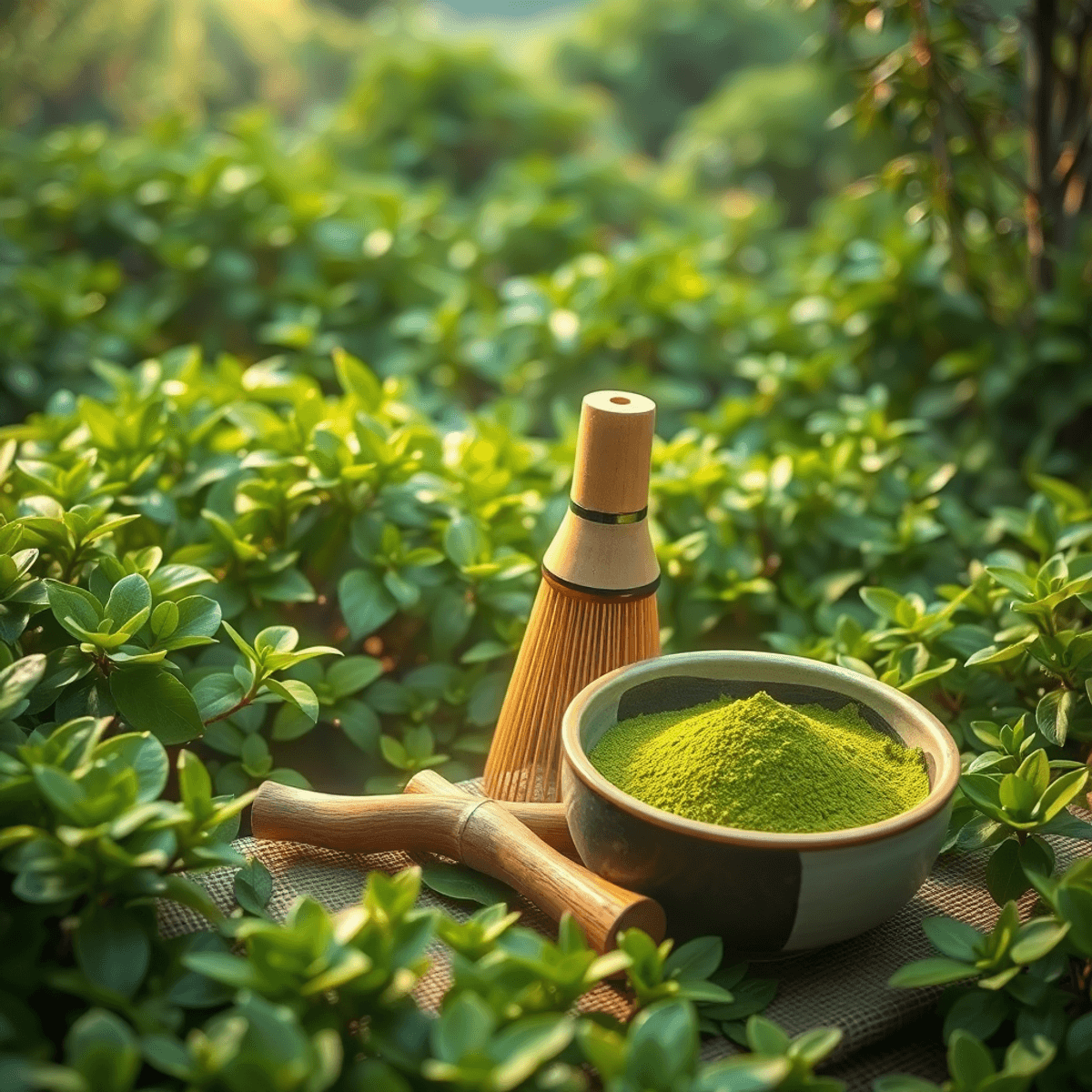
Matcha tea has a special spot in Japanese culture and in the world of tea. This green tea powder is made very fine and soft. It is more than just a drink. It holds many years of old ways and connects to nature and the calm mind. Matcha is easy to spot by its bright green color and strong flavor. People talk about its taste and how it may be good for health. It is famous for not only how it tastes, but also for the stories and culture that come with it.
When you look into matcha tea origins, you find out how this powdered tea started in China and later became a big part of Japanese culture. This article talks about the deep matcha history. It follows matcha from its start with old ways of growing the tea to how it is used in the Japanese tea ceremony now. You will also learn about how people used to brew matcha, the types of matcha, and how these things show big ideas in Japanese life like harmony and respect.
The focus here is to look at how Japan helped make matcha what it is today. It all started when Zen monks brought tea seeds to Japan. Then, people worked on different ways to grow matcha, especially in places like Uji. The article also shows that people still use old ways with matcha. These methods mix old values with new matcha styles that people like all over the world.
Prepare to explore:
- Early developments that laid the foundation for powdered tea
- The cultural significance embedded in Japanese tea traditions
- Detailed look at cultivation methods specific to matcha production
- The spiritual and social dimensions of the iconic Japanese tea ceremony
- How matcha has evolved into a popular ingredient beyond Japan
By understanding these facets, you’ll appreciate both the historical depth and ongoing relevance of this remarkable tea.
The Ancient Origins of Matcha Tea
Matcha tea has its roots in the early powdered tea practices developed in China during the Tang Dynasty (7th-10th centuries). Back then, tea was mainly processed into compressed bricks for easier transport and trade. These bricks were made by steaming fresh leaves, then pressing and drying them. To enjoy this tea, people would shave off pieces from the bricks and whisk them into hot water, a method that laid the groundwork for preparing powdered tea.
Evolution of Powdered Tea Preparation
During the Song Dynasty (10th-13th centuries), there were significant advancements in how powdered tea was prepared. Instead of using steamed bricks like before, the process evolved to involve roasting whole tea leaves before grinding them into a fine powder. This roasting technique improved the flavor by reducing bitterness and bringing out a roasted aroma. The powdered leaves were then vigorously whisked with hot water using bamboo whisks, resulting in a frothy, vibrant green drink.
Key Characteristics of Song Dynasty Powdered Tea Methods
- Roasting of tea leaves prior to grinding instead of just steaming
- Use of stone mills to grind dry leaves into fine powder
- Whisking techniques that aerated the drink, enhancing texture and taste
These innovations had a lasting impact on later matcha practices by emphasizing the significance of how leaves are processed and prepared. The focus on finely ground powder and whisked presentation directly connects to how matcha is made today.
Cultural Significance of Tang and Song Dynasties’ Contributions
The contributions made during the Tang and Song Dynasties set a cultural standard for appreciating powdered tea. Their methods not only addressed practical concerns like preservation and transport but also elevated tea drinking into an artistic ritual where flavor, texture, and aesthetics were given careful consideration.
This ancient Chinese foundation paved the way for matcha's introduction in Japan, where it underwent adaptation and transformation into a uniquely Japanese tradition rich with spiritual and cultural meaning.
Introduction of Matcha to Japan
Matcha made its way to Japan approximately 800 years ago during the Kamakura era, marking a significant moment in tea culture history. This introduction is closely tied to Zen master Eisai, a pivotal figure who traveled from Japan to China and returned with tea seeds alongside the knowledge of powdered tea preparation.
Eisai’s influence extended beyond simply bringing tea plants; he introduced cultivation techniques and the spiritual practice connected to tea drinking. His efforts led to the establishment of initial tea gardens on temple grounds in Kyoto, where the controlled environment supported careful growth and production.
During this period, matcha was not yet a common beverage but rather a luxury item reserved mainly for religious ceremonies and elite circles. The limited quantity produced reflected its high status, reinforcing its association with refinement and spiritual discipline within Japanese society.
Key points about matcha introduction in Japan:
- Arrival during Kamakura era: Matcha became known in Japan roughly eight centuries ago, coinciding with growing interest in Zen Buddhism.
- Zen master Eisai’s role: He brought tea seeds from China and shared powdered tea preparation methods that shaped Japanese practices.
- Cultivation on temple grounds: Initial growth occurred in Kyoto temples, highlighting the sacred relationship between matcha and spiritual life.
- Limited production and luxury status: Early matcha was exclusive, consumed mainly by monks and nobility.
This phase set the foundation for matcha’s deep cultural integration, linking it closely with Zen meditation and ceremonial use that would evolve further in later centuries.
Development of Matcha Cultivation Techniques in Japan
The cultivation of matcha in Japan took a distinctive turn with the development of tencha, a crucial element that defines the quality and character of matcha tea today. Tencha refers to the specific shade-grown green tea plants used exclusively for producing matcha. This method involves covering tea plants with shade cloths several weeks before harvest, significantly reducing sunlight exposure.
How Shade-Grown Green Tea (Tencha Cultivation) Affects the Plant's Chemistry
- Increases chlorophyll levels, resulting in vibrant green leaves.
- Boosts amino acids like L-theanine, enhancing sweetness and umami flavor.
- Reduces bitterness by limiting catechin production.
This carefully controlled growing environment not only intensifies flavor but also amplifies health benefits. The rich amino acid content contributes to matcha’s calming yet alert energy, often sought after in chai matcha green tea blends.
The Uji region, near Kyoto, stands out as the premier location for matcha cultivation. Its temperate climate combined with frequent morning mist creates ideal conditions for tencha plants. This natural environment supports consistent moisture and gentle sunlight filtering, directly impacting leaf quality.
Uji's Terroir Benefits for Matcha Cultivation
- Misty mornings that protect leaves from harsh sun.
- Well-drained soil promoting healthy root systems.
- Stable temperatures favoring slow leaf growth for richer taste.
Historically, Uji’s reputation was elevated through patronage by influential figures such as Yoshimitsu Ashikaga, a shogun who actively promoted tea culture during the Muromachi period (14th-16th centuries). His support helped establish Uji as synonymous with premium matcha production.
The region’s focus on tencha cultivation and quality control continues to influence how matcha tee is perceived both domestically and internationally. High-grade Uji matcha remains a benchmark for excellence, sought after by traditional tea masters and modern enthusiasts alike.
This meticulous approach to cultivation laid the foundation for the intricate rituals and appreciation surrounding matcha tea in Japan. It also set standards that shaped global perceptions of matcha’s flavor profile and health qualities, ensuring its status as more than just a beverage but a refined cultural experience.
The Japanese Tea Ceremony (Chanoyu or Chado)
The Japanese tea ceremony, known as Chanoyu or Chado ("The Way of Tea"), took shape during the 1500s and remains one of Japan’s most iconic cultural practices. This ritual was formalized by Zen practitioner Murata Juko and later perfected by Sen-no-Rikyu, who is often credited with defining its spiritual and aesthetic foundations.
Origins and Formalization
- Murata Juko introduced key ideas that emphasized simplicity, naturalness, and spiritual depth in the preparation and enjoyment of matcha.
- Sen-no-Rikyu refined these concepts into a highly codified practice, shaping the tea ceremony into an art form that balances aesthetics with mindfulness.
Rikyu’s influence established a framework that transformed matcha from a simple beverage into a profound ritual embodying Zen Buddhist ideals.
The Four Core Principles of the Tea Ceremony
At the heart of Chanoyu lie four guiding principles, each reflecting essential values for both host and guest:
- Harmony (Wa): Achieving balance between people, utensils, surroundings, and nature. This principle encourages mutual respect and fosters a sense of unity during the ceremony.
- Respect (Kei): Demonstrating appreciation for all participants and objects involved. Respect manifests in meticulous care for every detail—from preparing the tea to handling utensils—and honoring guests sincerely.
- Purity (Sei): Emphasizing cleanliness not only in physical terms but also mentally and spiritually. Purity clears distractions so everyone can fully engage with the present moment.
- Tranquility (Jaku): The serene state achieved after practicing harmony, respect, and purity. Tranquility represents inner peace that flows naturally from sincere interaction with others and nature.
These principles guide the entire ceremony, transforming it into more than just drinking tea—it becomes a meditative experience connecting all participants on multiple levels.
Integration of Cultivation, Preparation, Consumption, and Spiritual Practice
The Japanese tea ceremony integrates every stage related to matcha:
- Cultivation: The careful growing of tencha leaves under shade influences flavor and quality—essential for authentic matcha used in ceremonies.
- Preparation: Utensils like the chasen (bamboo whisk) and chawan (tea bowl) require precise handling; each movement is deliberate to honor tradition.
- Consumption: Drinking matcha during Chanoyu isn’t rushed; it invites mindfulness to taste, texture, aroma, and silence shared among participants.
- Spiritual practice: Rooted in Zen Buddhism, the ritual encourages contemplation and presence. Each gesture is symbolic—offering respect to nature’s gifts while fostering social harmony.
This meticulous choreography creates a sanctuary where everyday concerns fade away. Participants experience connection through sensory awareness paired with philosophical reflection—making Chanoyu a living embodiment of Japanese culture’s reverence for simplicity, beauty, and meaning.
Cultural Significance of Matcha in Japanese Tradition
Matcha’s cultural importance extends far beyond a simple beverage. Its deep roots in Zen Buddhism shape how you experience the tea, transforming matcha preparation and consumption into a meditative ritual.
Zen Buddhism and Meditative Use
In Zen, every action is an opportunity to cultivate focus and presence.
Preparing matcha mirrors this principle. Each whisk stroke, measured scoop, and gentle pour are deliberate steps that invite mindfulness.
The ritual of matcha tee preparation becomes a form of moving meditation, encouraging calm awareness and inner stillness.
Implements like the chasen (bamboo whisk), chawan (tea bowl), and chashaku (tea scoop) enhance this spiritual dimension by emphasizing simplicity and natural beauty—core values in Zen aesthetics.
Symbolism in Ritual Preparation and Sharing
The act of making and sharing matcha carries rich symbolic meaning:
- Harmony (Wa): The seamless interaction between host, guest, tea utensils, and environment reflects the harmony sought in life.
- Respect (Kei): Every gesture—offering tea or receiving it—is imbued with mutual respect.
- Purity (Sei): The cleansing of utensils symbolizes purification not just of objects but of the mind.
- Tranquility (Jaku): The quiet moments during the ceremony foster peace amid daily chaos.
Sharing matcha is not merely about drinking tea; it’s a gesture that builds social bonds and expresses hospitality rooted in tradition.
Matcha as Mindfulness and Social Harmony
Matcha represents more than taste or health benefits. It embodies:
- Mindfulness: Engaging fully in matcha tee preparation anchors you in the present moment. This attentiveness nurtures clarity and emotional balance.
- Social harmony: The communal aspect strengthens connection among participants. In traditional settings or modern gatherings, sharing matcha cultivates empathy and mutual understanding.
Health Benefits Enhancing Cultural Value
The antioxidants found abundantly in matcha contribute to its revered status. These compounds support physical well-being, aligning with the holistic approach Zen advocates—nurturing body and spirit together.
Some popular tee matcha brands today honor these traditions while offering accessible options for modern lifestyles. Whether you explore classic matcha tee recipes or innovative blends like matcha slim dm, the cultural essence remains embedded in each cup.
Engaging with matcha means stepping into a practice steeped in history yet vibrant with contemporary relevance—a timeless bridge between tradition and wellness.
Modern Evolution and Global Popularity of Matcha Tea
Matcha used to be part of special tea events, but now it is used every day by people all around the world. This change shows that modern matcha uses are not just for the old way of making tea. Now, matcha is easy for anyone to get and many people like it.
Everyday Consumption and Cafes Worldwide
- You can now find matcha in many cafes around the world. It is on menus with coffee and other teas.
- More people know about matcha lattes now. A matcha latte gives you a smooth and easy way to try this green tea for the first time.
- Many coffee shops and tea places show off matcha’s different taste and bright green color. This brings in people who care about health and people who want to try new things.
Diverse Drinks and Desserts
Matcha is good for many uses. You can add it to drinks and desserts. It works well with both old and new flavors, so more people can enjoy it.
- Iced matcha drinks mix cool and fresh taste with energy, so they are great for warm places.
- Smoothies and matcha in protein shakes are good for people who like fitness and want more natural antioxidants.
- Desserts like matcha ice cream, cakes, cookies, and chocolates give a nice balance of sweet and a bit of bitterness. This mix gives a special taste.
- New uses for matcha can be seen in salad dressing, noodles, and baked goods. These show the many ways its taste can be used, not just as tea.
Health Benefits Driving Demand
People all over the world are getting more interested in matcha. This is because more people now know about the good things it can do for your health.
- The high levels of antioxidants like catechins support your body's system to fight off sickness and help reduce stress from damage inside the body.
- The natural caffeine in matcha gives you steady energy. You will not get shaky feelings that people sometimes feel with coffee.
- Matcha helps your mind stay clear because it has L-theanine. This is a part of matcha that can help you stay focused and feel calm.
- Matcha may help with weight by making the body's process work faster. This is why many people in wellness groups like it.
This big rise in people wanting matcha shows that its history fits the way we live today. Now, many people want to feel good and enjoy what they drink at the same time. The matcha tee origin story helps people feel closer to the tea. It brings together old traditions and new ideas, making drinking matcha feel special.
Conclusion
Matcha tea offers more than just a unique flavor; it embodies a rich tapestry of Japan’s cultural heritage and spiritual insights. From its ancient origins to the refined rituals of the Japanese tea ceremony, matcha reflects centuries of tradition that intertwine mindfulness, respect, and harmony.
Modern enjoyment of naturale bio matcha and bio matcha tee varieties brings these age-old customs into your daily life. Whether you sip from a ceremonial bowl or savor a cup of bio matcha tea harmony 60 g, you participate in a living tradition that balances history with innovation.
Take time to appreciate:
- The deep roots embedded in Japan’s history through matcha insights Japan,
- How traditional methods inform contemporary flavors and health-conscious choices,
- The meaningful cultural dialogue between past and present embodied in every cup.
Engaging with matcha invites you to explore not only its taste but also the enduring spirit behind it—a celebration of mindful connection that has traveled centuries to reach your hands.
FAQs (Frequently Asked Questions)
What are the origins and historical development of matcha tea?
Matcha tea began with using powdered tea during China's Tang Dynasty, between the 7th and 10th centuries. In the Song Dynasty, from the 10th to the 13th centuries, people roasted and ground tea leaves to make it better. These old ways of making tea went on to shape Japanese matcha traditions.
How was matcha introduced to Japan and what role did Zen master Eisai play?
Matcha came to Japan about 800 years ago. This was during the Kamakura era. A Zen master named Eisai went to China and brought back tea seeds. He also brought new ways to make tea. People started to grow it on temple lands in Kyoto. At first, matcha was special because there was not much of it. Only a small amount was made.
What makes the Uji region significant for matcha cultivation in Japan?
The Uji area close to Kyoto is known for its good matcha. The weather and mist help the plants grow well in this place. The tencha plants are grown in the shade, which makes the taste better. It also adds to the good things you get for your health. A long time ago, people like Yoshimitsu Ashikaga helped make Uji famous for making some of the best matcha.
What are the core principles of the Japanese tea ceremony (Chanoyu) involving matcha?
The Japanese tea ceremony was shaped by Murata Juko and Sen-no-Rikyu in the 1500s. It focuses on four main ideas: harmony (wa), respect (kei), purity (sei), and calmness (jaku). The ceremony brings together growing, making, drinking, and the spiritual practice of matcha.
How does matcha reflect cultural significance and Zen Buddhist traditions in Japan?
Matcha is closely linked to Zen Buddhism. People use it in meditative rituals that stand for being mindful and getting along with others. Making and sharing matcha is a big part of these spiritual values. The fact that it is full of antioxidants helps both your health and its meaning in different cultures.
In what ways has matcha evolved in modern times and gained global popularity?
Matcha was first used in special ceremonies. Now, people all over the world drink and eat it every day. You can find matcha in lattes, drinks, and desserts. The taste of matcha is special, and many know about its health benefits. Because of this, more people ask for matcha, and now you see it in many cafes across the globe.


Comments
Post a Comment