Serve, Store + Tea Pairings: Make Daifuku Taste Better with Matcha on Side
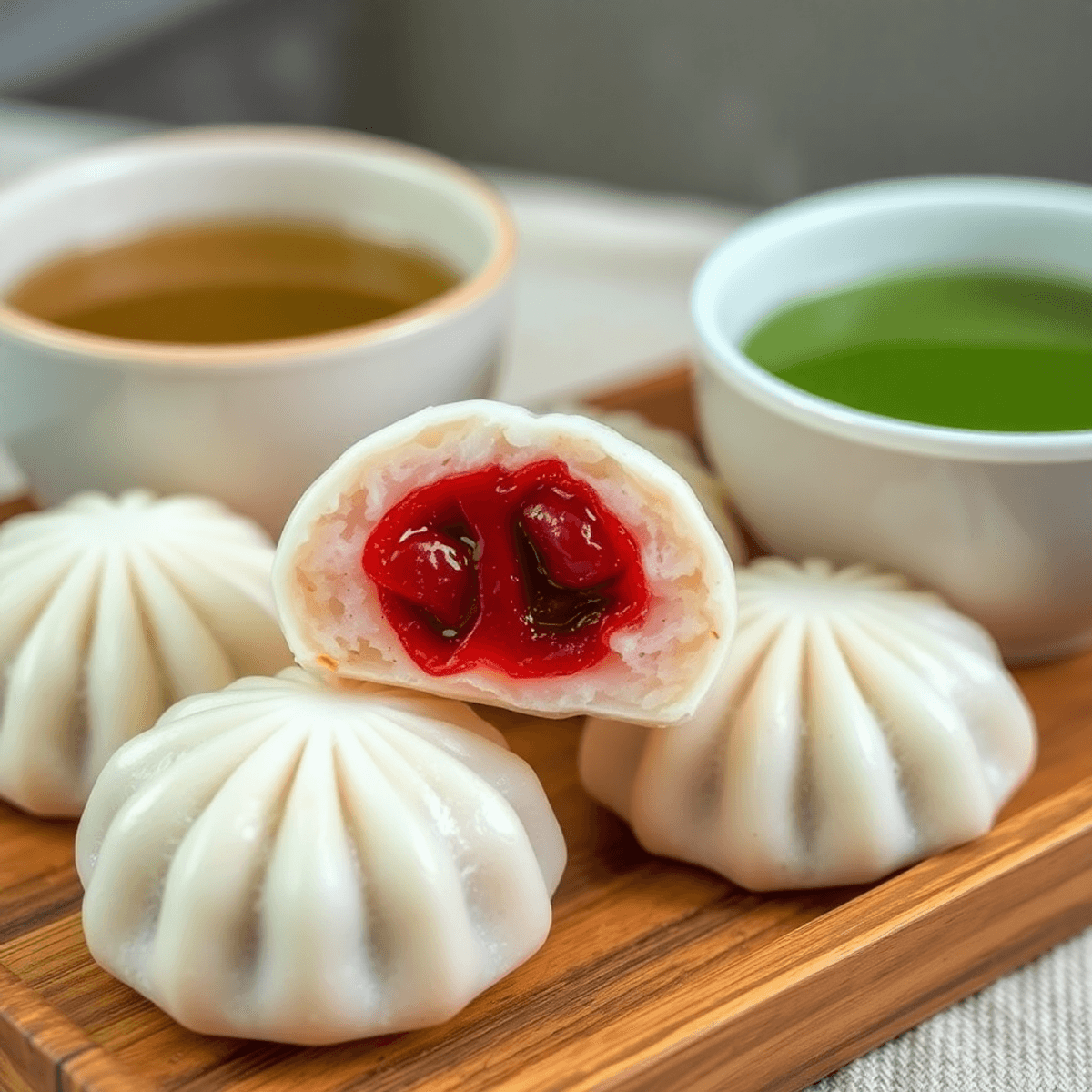
Daifuku with red bean filling is one of the most beloved traditional Japanese sweets. This mochi dessert features a soft, chewy glutinous rice cake on the outside and a delicious red bean paste on the inside. Its simple yet satisfying flavor has made it a staple in Japanese desserts and beyond.
The popularity of red bean paste as a filling goes beyond taste—it is an essential ingredient in many wagashi creations. Azuki beans are cooked and mashed into smooth or slightly chunky anko, which adds natural sweetness balanced by the subtle earthiness of the beans. This balance makes daifuku not only tasty but also comforting and familiar to many.
In this guide, we will explore various aspects of enjoying daifuku:
- Serving and storing: Learn how to serve daifuku at its best and store it properly to preserve its texture and flavor.
- Tea pairings: Discover how thoughtful tea pairings can enhance your tasting experience and elevate the enjoyment of daifuku.
- Healthier alternatives: Explore healthier alternatives and modifications that adapt this classic treat for modern dietary preferences without compromising its essence.
Whether you are new to Japanese sweets or a seasoned enthusiast, understanding these elements will deepen your appreciation for this iconic mochi dessert.
Additionally, we invite you to embark on an exciting journey into the world of Japanese sweets. Here are some topics you might find intriguing:
- Cultural significance: Learn about the cultural significance behind various Japanese sweets and their role in celebrations and rituals.
- Enjoyment techniques: Discover the best ways to enjoy Japanese sweets, including pairing them with specific teas or incorporating them into traditional tea ceremonies.
- DIY exploration: Get inspired to try making these delicacies yourself! With guidance from resources like Junia AI, you can become skilled at creating authentic Japanese sweets in no time.
We hope this guide serves as a valuable resource for both newcomers and enthusiasts alike, fostering a deeper connection with daifuku and the broader world of Japanese confections.
The History of Daifuku: From Ancient Japan to Modern Treat
Daifuku has a long history in Japan and is closely related to the art of making mochi. Mochi was originally made for special occasions like New Year celebrations and religious ceremonies. In its early days, daifuku was quite basic, often filled with savory ingredients or left empty.
The word daifuku translates to "great luck" or "great fortune," which reflects its significance as a food associated with good luck. The first mentions of daifuku can be found during the Edo period (1603–1868), when sweetened red bean paste became a popular filling. This change turned mochi from just a symbolic food into a widely loved sweet treat enjoyed by both commoners and samurai.
Key moments in the development of daifuku include:
- Introduction of Sweetened Fillings: Red bean paste (anko) emerged as the dominant filling due to its natural sweetness and availability, making daifuku more accessible and appealing.
- Regional Variations: Different areas of Japan developed unique takes on daifuku, incorporating local ingredients such as chestnuts, sesame seeds, or even yuzu citrus. For instance, some regions have embraced the use of chestnuts in their daifuku recipes.
- Industrialization and Mass Production: With modernization in the 20th century, daifuku production shifted from artisan shops to commercial factories, increasing availability nationwide.
- Modern Twists on Traditional Daifuku: Contemporary variations now include fillings like fresh fruit (e.g., strawberries), flavored creams, and even chocolate. These adaptations cater to evolving palates while maintaining the traditional chewy mochi exterior. Some innovative recipes even incorporate flavored creams or yuzu citrus into the mix.
The history of daifuku shows how a simple rice cake evolved into a versatile sweet that connects cultural heritage with modern tastes. Its enduring popularity stems from this balance between tradition and innovation.
How Red Bean Paste Became a Staple in Japanese Sweets
Red bean paste, known as anko in Japanese, holds a central place in the world of traditional Japanese confections. Its widespread use and cultural significance stem from both historical developments and culinary preferences that have shaped Japanese sweets over centuries.
Historical and Cultural Roots
1. Introduction of Azuki Beans:
Azuki beans were introduced to Japan from continental Asia, where they had been cultivated for centuries. The beans’ natural sweetness made them ideal for sweet pastes.
2. Religious Influence:
Buddhist dietary practices influenced the incorporation of plant-based ingredients like azuki beans into temple cuisine, promoting anko as a favored sweetener alternative to honey or sugar.
3. Symbolism:
Red is an auspicious color in Japan, symbolizing protection and good fortune. Red bean paste’s vibrant hue added symbolic meaning to sweets consumed during celebrations and rituals.
Culinary Versatility and Popularity
The smooth, sweet texture of red bean paste makes it versatile for many traditional desserts beyond daifuku:
- Dorayaki: Pancake-like sandwiches filled with thick red bean paste.
- Manju: Steamed buns with anko filling.
- Taiyaki: Fish-shaped cakes stuffed with red bean paste.
- Yokan: Firm jelly-like blocks made from red bean paste, agar, and sugar.
What Makes Red Bean Paste So Integral?
- Flavor Balance: The natural earthiness of azuki beans balances perfectly with sugar, creating a mild sweetness that doesn’t overpower other flavors.
- Texture Variations: Different methods produce either smooth (koshian) or chunky (tsubuan) pastes, catering to diverse tastes and dessert types.
- Pairing Ability: Red bean paste complements the chewy texture of mochi in daifuku perfectly, offering a harmonious contrast that enhances each bite.
Influence on Modern Japanese Confectionery
Red bean paste remains a fundamental ingredient not only in traditional wagashi but also in contemporary sweets:
- Ice cream flavors incorporating red bean paste.
- Fusion desserts combining western pastry techniques with anko fillings.
- Seasonal specialties like ichigo daifuku, featuring strawberries inside alongside red bean paste.
The enduring presence of red bean paste in Japanese sweets confirms its role as more than just a filling—it's a cultural emblem embedded within Japan’s culinary identity. This foundation sets the stage for understanding what defines the perfect red bean filling used specifically in daifuku, a popular Japanese sweet.
In recent years, there has been an increasing interest in exploring the diverse range of Japanese sweets available. This exploration often leads to the discovery of unique flavors and textures that make these confections so special.
Furthermore, the versatility of anko is not limited to traditional sweets alone. It has found its way into modern culinary creations as well. For instance, many contemporary patisseries are now experimenting with red bean paste to create innovative desserts that blend Eastern and Western flavors.
This fusion of culinary traditions is not only a testament to the adaptability of anko, but also highlights its integral role in shaping the future of Japanese confectionery.
What Makes the Perfect Red Bean Filling?
The quality of daifuku with red bean filling depends largely on the perfect red bean filling. Understanding what defines this ideal filling helps you appreciate the skill behind every bite.
Key Characteristics of High-Quality Red Bean Filling
1. Texture
The filling should strike a balance between smoothness and slight graininess. Too coarse, and it can feel gritty; too smooth, and it risks losing the distinct character of azuki beans. A slightly mashed texture called koshian is prized for its velvety consistency, while tsubuan retains whole or partially crushed beans for a more rustic mouthfeel.
2. Sweetness Level
The sweetness must complement the subtle flavor of mochi without overpowering it. Authentic fillings use just enough sugar to enhance natural bean flavors, avoiding excessive saccharinity common in mass-produced versions. This restrained sweetness allows the filling to harmonize with accompanying teas.
3. Moisture Content
Moisture is critical for softness and spreadability inside daifuku. If too dry, the filling can feel chalky or crumbly; if too wet, it risks leaking or making the mochi soggy. Achieving a moist yet firm paste ensures each piece holds together well and provides a pleasant chew.
4. Bean Quality
Starting with high-grade azuki beans matters immensely. Fresh, plump beans yield richer flavor and better texture. Inferior beans tend to produce dull-tasting pastes that lack depth.
5. Cooking Method
Slow simmering until beans are tender but intact helps preserve their flavor integrity. Overcooking can cause bitterness or loss of aroma, while undercooking results in hardness.
What You Should Look For When Buying or Making Red Bean Filling
- Color: A deep reddish-brown hue indicates proper caramelization of sugars and optimal cooking time.
- Aroma: Expect a sweet, earthy scent reminiscent of roasted nuts and caramel.
- Taste: Complex layers of mildly sweet, slightly nutty flavor with no artificial aftertaste.
Crafting or selecting the perfect red bean filling elevates daifuku from a simple treat to an authentic experience that honors tradition while pleasing modern palates.
Types of Mochi Used in Daifuku (Shiroan, Koshian, Tsubuan)
When it comes to daifuku, the mochi wrapper plays a crucial role in defining the texture and overall experience of this beloved sweet. Mochi is made from glutinous rice flour, which gives it that signature chewiness. However, variations in preparation and filling can create distinct types of daifuku. Understanding the Mochi Types in Daifuku helps you appreciate the subtle differences that each brings to the table.
Mochi Wrappers and Their Unique Qualities
1. Shiroan
Shiroan refers to white bean paste, often used as a lighter alternative to red bean paste inside daifuku. However, in some contexts, “shiroan” is also used to describe a mochi type with a softer, more delicate texture. The mochi for shiroan-style daifuku tends to be smooth and slightly less sticky than typical mochi. This makes for a gentle contrast with the sweet filling inside. If you prefer subtle sweetness and a refined mouthfeel, shiroan mochi wrappers are an excellent choice.
2. Koshian
Koshian is not actually a mochi type but rather a style of red bean paste that is smooth and finely sieved. In daifuku terms, koshian is paired with a traditional soft and chewy mochi exterior. The mochi here is typically elastic and pliable, designed to hold the smooth koshian filling without breaking apart. This pairing highlights the balance between silky sweetness inside and tender chewiness outside.
3. Tsubuan
Tsubuan refers to chunky or partially mashed red bean paste that retains bits of whole azuki beans. Mochi used with tsubuan fillings usually needs to be slightly thicker or firmer to support the textured interior without crumbling. The chewier mochi wrapper complements the rustic feel of tsubuan by offering resistance against the coarse beans inside.
How to Keep Mochi Fresh and Prevent Hardening
Mochi’s delicate texture can quickly turn tough if not stored properly. You can keep your daifuku tasting fresh by following these tips:
- Store daifuku at room temperature in an airtight container for up to one day. Moisture retention at this stage preserves softness.
- For longer storage (up to 2–3 days), refrigerate in a sealed container but expect slight hardening due to cold exposure.
- To restore softness after refrigeration, allow daifuku to sit at room temperature for about 30 minutes before eating.
- Avoid freezing as it damages mochi’s texture significantly.
- Dusting mochi lightly with potato starch or cornstarch prevents sticking during handling without affecting taste.
Selecting the right type of mochi wrapper depends on personal preference and the filling choice. Whether you enjoy the silky smoothness of koshian-filled daifuku or the rustic heartiness paired with tsubuan, understanding these variations enhances your appreciation of this traditional confection’s craftsmanship.
For those interested in exploring more about making different types of mochi, there are numerous resources available online that provide easy recipes and tips for mastering this delightful treat
Alternative Fillings for Daifuku (Fruit, Cream, Chocolate)
Daifuku is traditionally filled with sweet red bean paste, but alternative fillings in daifuku have gained popularity, offering exciting flavor variations and textures. These alternatives can transform the classic mochi into a more diverse dessert experience, appealing to a wider range of tastes.
Fruit Fillings
Fresh fruit adds natural sweetness and a juicy contrast to the chewy mochi exterior. Popular fruit fillings include:
- Strawberries (Ichigo Daifuku): A whole strawberry wrapped inside the mochi alongside or instead of red bean paste creates a refreshing burst of flavor. The tartness cuts through the sweetness, making it a favorite among many.
- Mango or Kiwi: Cubes of tropical fruits provide vibrant colors and a tangy twist.
- Yuzu or Citrus Marmalade: These add a zesty note that brightens the flavor profile.
Fruit fillings offer freshness and moisture but require careful handling to avoid excess juice that might soften the mochi too much.
Cream Fillings
Cream-based fillings introduce richness and smoothness, complementing the chewy texture of mochi with their velvety mouthfeel:
- Whipped Cream: Light and airy, it balances sweetness without overpowering the delicate mochi wrapper.
- Custard or Pastry Cream: Adds depth with its creamy consistency and subtle vanilla notes.
- Mascarpone or Cream Cheese Blends: These introduce a slight tanginess that pairs well with sweeter elements like fruit or chocolate.
Cream fillings are ideal for those who prefer less sugary options while still enjoying indulgent textures.
Chocolate Fillings
Chocolate is another popular alternative, bringing decadence and richness to daifuku:
- Ganache: Smooth and glossy chocolate ganache fills create an elegant bite.
- Chocolate Chips or Chunks: Add texture contrast with small bits melting inside.
- Matcha-Chocolate Fusion: Combining bitter matcha powder with sweet chocolate provides complex flavor layers.
Chocolate fillings satisfy cravings for something richer while still harmonizing with the subtle chewiness of mochi. They work well when paired with slightly bitter teas to balance sweetness.
Experimenting with these alternative fillings can redefine your daifuku experience. Whether you enjoy fruity freshness, creamy softness, or chocolate indulgence, these options open new doors beyond traditional red bean paste.
Step-by-Step Recipe: Classic Daifuku with Red Bean Filling
Making daifuku with red bean filling at home is rewarding and allows you to control the texture and sweetness. This Classic Daifuku Recipe focuses on achieving a soft, chewy mochi exterior paired perfectly with smooth anko.
Ingredients
- 1 cup glutinous rice flour (mochiko)
- 3/4 cup water
- 1/4 cup sugar
- Cornstarch or potato starch (for dusting)
- 1 cup sweetened red bean paste (anko), pre-portioned into 8 balls (~2 tbsp each)
Equipment
- Microwave-safe bowl or steamer
- Plastic wrap
- Rolling pin (optional)
- Kitchen scissors or knife
Instructions
1. Prepare the Mochi Dough
- In a microwave-safe bowl, combine the glutinous rice flour and sugar.
- Gradually add water while stirring to create a smooth batter without lumps.
- Cover the bowl loosely with plastic wrap.
2. Cook the Mochi
Microwave method:
- Microwave the mixture on high for 1 minute.
- Stir vigorously with a wet spatula.
- Microwave for another 1 minute.
- Stir again, then microwave for an additional 30 seconds to 1 minute until the dough turns translucent and sticky.
Steaming method:
- Pour batter into a heatproof dish.
- Steam over boiling water for about 15 minutes, stirring halfway through until translucent.
3. Shape the Mochi Base
- Dust your work surface and hands generously with starch to prevent sticking.
- Transfer the hot mochi onto the surface carefully; it will be very sticky.
- Flatten the mochi gently using your hands or a rolling pin dusted with starch until about 0.25 inches thick.
4. Portion and Fill
- Cut the flattened mochi dough into 8 equal squares using kitchen scissors or knife dusted with starch.
- Place a ball of red bean paste in the center of each square.
5. Wrap the Filling
- Pinch edges of mochi around the filling, folding evenly to seal completely.
Tip: Work quickly while mochi is still warm but cool enough to handle.
6. Final Touches
- Roll each daifuku gently in starch to avoid stickiness.
Tips for Making Soft and Chewy Mochi at Home
- Use fresh glutinous rice flour labeled specifically as mochiko for best results.
- Avoid adding too much starch inside dough portions; it can dry out your mochi.
- Keep mochi covered when not shaping to prevent drying out.
- If dough becomes too sticky, dip your fingers in water before handling.
Serving Suggestion
Serve daifuku at room temperature for optimal chewiness. Pair this homemade treat with green tea varieties like matcha or sencha to balance sweetness.
This step-by-step recipe ensures you get tender, elastic mochi encasing luscious red bean paste — a classic combination loved across Japan.
Common Mistakes When Making Daifuku (And How to Avoid Them)
Making daifuku at home can be rewarding, but it comes with its share of challenges. Understanding typical daifuku making mistakes helps you avoid frustration and improve your results. Here are some common pitfalls and practical solutions:
1. Mochi Dough Too Sticky or Too Dry
- Mistake: Overhydrating or underhydrating the glutinous rice flour mixture leads to mochi that’s either too sticky to handle or too dry and crumbly.
- Solution: Measure ingredients precisely, especially water. The dough should be soft, pliable, and slightly tacky but not sticking excessively to your hands. Dust your working surface and hands with potato starch or cornstarch to manage stickiness without drying the dough.
2. Uneven Cooking of Mochi
- Mistake: Inconsistent steaming or microwaving causes parts of the mochi dough to remain uncooked or overly tough in spots.
- Solution: Stir or turn the mochi dough during cooking if using a microwave, or ensure even steam circulation when steaming. Use a damp cloth over the mochi while microwaving to retain moisture.
3. Red Bean Paste Filling Too Wet or Too Dry
- Mistake: A filling that’s too wet can make the mochi soggy and difficult to seal; a dry filling crumbles instead of forming a smooth ball.
- Solution: Adjust the red bean paste texture by draining excess liquid after cooking azuki beans or adding a small amount of sugar syrup for moisture balance. Aim for a thick but malleable paste.
4. Overfilling or Underfilling Daifuku
- Mistake: Overstuffing causes tearing in the mochi wrap; underfilling results in an unsatisfying bite lacking flavor contrast.
- Solution: Use about one tablespoon of red bean paste per daifuku, adjusting slightly by size. Practice shaping the filling into tight balls before wrapping.
5. Difficulty Sealing Daifuku Properly
- Mistake: Gaps or loose seals cause fillings to leak out during handling or storage.
- Solution: Pinch edges firmly but gently, ensuring no air bubbles remain inside before sealing completely. Work quickly since mochi hardens as it cools.
6. Mochi Hardening Too Quickly After Making
- Mistake: Mochi becomes tough and loses its characteristic chewiness shortly after preparation if exposed to air without protection.
- Solution: Wrap each daifuku individually in plastic wrap or place them in an airtight container immediately after forming.
7. Storing Daifuku Incorrectly
- Mistake: Refrigeration is often thought best for freshness but can dry out mochi and alter texture negatively. Freezing without proper wrapping causes ice crystals and texture damage.
- Solution: Store daifuku at room temperature for up to one day in an airtight container lined with parchment paper between layers. For longer storage, freeze wrapped tightly and thaw at room temperature before eating.
"The key to mastering daifuku lies in balancing moisture, temperature, and timing."
By recognizing these common mistakes when making daifuku (and how to avoid them), you increase your chances of producing soft, flavorful treats with perfect texture every time you
The Role of Daifuku in Japanese Festivals and Celebrations
Daifuku holds a special place in Japanese festivals and celebrations, symbolizing good fortune, happiness, and togetherness. Its presence at these events reflects both its cultural importance and its role as a treat that brings people together.
Cultural Significance of Daifuku in Festivals
1. Offering to Deities and Ancestors
During traditional ceremonies such as Shinto rituals or Obon (a festival honoring ancestors), daifuku is often offered at shrines or household altars. This act represents respect and gratitude, with the sweet rice cake symbolizing purity and the red bean paste signifying good luck.
2. Celebrations of New Beginnings
New Year's festivities frequently include daifuku among other wagashi. Eating daifuku during this time is thought to bring prosperity and happiness for the coming year. Its round shape also evokes completeness and harmony.
3. Children’s Day (Kodomo no Hi)
On May 5th, families celebrate children’s health and growth. Daifuku, especially varieties filled with red bean paste, is shared as a sweet reward for children, reinforcing bonds within families.
Regional Variations in Festival Use
Some regions incorporate local ingredients or unique styles into their daifuku offerings during festivals. For example, ichigo daifuku (strawberry-filled) may be popular in springtime celebrations when strawberries are in season. In certain areas, mochi pounding events (mochitsuki) culminate in freshly made daifuku being handed out to participants, emphasizing community spirit.
Daifuku as a Symbol of Celebration
The chewy texture combined with sweet filling provides comfort and joy during gatherings. Sharing daifuku creates moments of connection as people savor traditional flavors tied to cultural heritage. Gift-giving customs often include beautifully wrapped daifuku boxes, demonstrating respect and care.
Daifuku's role extends beyond just a dessert—it acts as a bridge between generations, linking modern celebrations with centuries-old traditions. This ongoing presence at festivals highlights its enduring appeal and deep cultural roots within Japanese society.
Symbolism Behind Mochi and Anko in Japanese Culture
Mochi and anko have deep cultural meanings in Japan that go beyond being just ingredients in daifuku with red bean filling. They represent tradition, celebration, and spiritual beliefs that are deeply rooted in Japanese history.
Mochi: More Than Just Glutinous Rice Cake
Mochi stands for purity, strength, and longevity. It is made from glutinous rice, which is a staple crop in Japan. This connection to the harvest cycle reminds us to be grateful for nature's abundance. Mochi is often used in ceremonies like mochitsuki (rice pounding) during New Year celebrations, symbolizing a fresh start and good luck.
Here are some key aspects of mochi's symbolism:
- Shape and texture: The round, smooth form of mochi signifies completeness and unity.
- Use in rituals: Mochi is offered at shrines and used in traditional festivities to invite blessings.
- Symbol of resilience: Its chewy texture reflects endurance and adaptability — qualities highly valued culturally.
Anko: Sweet Red Bean Paste as Symbol of Good Luck
Anko, which is made from azuki beans, has its own symbolism related to protection and happiness:
- Red color significance: In Japanese culture, red wards off evil spirits and bad luck.
- Sweetness for joy: The sweet nature of anko symbolizes celebration and auspicious occasions.
- Connection to life’s sweetness: Red bean paste mochi often appears at weddings or festivals where it implies wishes for a joyful life.
Combined Symbolism in Daifuku
Daifuku with red bean filling brings together these meanings perfectly:
- The soft mochi shell enveloping sweet anko reflects harmony — combining strength with gentle sweetness.
- Variations like mochi with strawberry and red bean paste add freshness and vitality, representing renewal alongside tradition.
- Eating daifuku can be seen as partaking in a ritual that honors balance between endurance (mochi) and happiness (anko).
This rich symbolism is one reason why daifuku continues to be loved by people of all ages. Each bite tells stories of protection, prosperity, and unity that resonate deeply within Japanese society.
Best Ways to Serve and Store Daifuku
Serving and storing daifuku properly is essential to enjoy its delicate texture and rich flavor. The soft, chewy mochi exterior and sweet red bean paste filling require specific care to maintain their quality.
Serving Daifuku at Its Best
- Temperature: Serve daifuku at room temperature. Cold daifuku straight from the refrigerator can become hard and lose the signature chewiness that makes it so enjoyable.
- Presentation: Place daifuku on a small plate or traditional Japanese dishware to enhance the visual appeal. A dusting of kinako (roasted soybean flour) or a light sprinkle of cornstarch can prevent sticking without overpowering taste.
- Portioning: Use clean hands or chopsticks to handle daifuku gently. Cutting daifuku in half reveals the filling and allows for sharing while preserving shape.
- Timing: Daifuku is best eaten fresh within one to two days of purchase or preparation. This ensures optimal softness and flavor depth.
Storing Daifuku for Freshness
- Short-Term Storage: Keep daifuku in an airtight container at room temperature if you plan to consume it within 24 hours. Avoid exposure to direct sunlight and humidity which can cause mochi to dry out or become overly sticky.
- Refrigeration: For storage beyond one day, refrigerate daifuku wrapped individually in plastic wrap inside an airtight container. Note that refrigeration may cause mochi to harden; allow it to warm slightly before eating to regain softness.
- Freezing: Freezing is possible but not ideal due to potential changes in texture. Wrap each piece tightly in plastic wrap, then place in a freezer-safe bag. Thaw at room temperature for several hours before serving.
- Avoid Moisture: Excess moisture accelerates spoilage and texture degradation. Never store daifuku uncovered or in damp environments.
Additional Tips
- Handle daifuku with care since the thin mochi layer can tear easily, exposing the filling.
- If you notice stickiness on the surface when serving, a light dusting of potato starch or cornstarch can improve handling without altering flavor.
- When serving multiple varieties, label them clearly as different fillings may have varying shelf lives.
Proper serving and storage keep your daifuku tasting fresh, tender, and delicious—ready to pair perfectly with your choice of tea.
Tea Pairings for Enjoying Daifuku
When it comes to tea pairings with daifuku, the goal is to enhance the delicate sweetness and chewy texture of the mochi while balancing the rich flavor of the red bean paste. The right tea elevates the experience, making each bite and sip complement each other perfectly.
Traditional Japanese Teas That Complement Daifuku
1. Matcha (Powdered Green Tea)**
Matcha’s vibrant, slightly bitter profile cuts through the sweetness of daifuku, creating a harmonious balance. Its creamy texture enhances the smoothness of the red bean paste, making every bite feel more indulgent.
2. Sencha (Steamed Green Tea)
Sencha offers a fresh, vegetal taste with mild astringency that cleanses your palate between bites. This type of green tea highlights the subtle flavors in both mochi and anko without overpowering them.
3. Hojicha (Roasted Green Tea)
The toasted aroma and nutty notes of hojicha add depth to the pairing. Its lower caffeine content makes it a comforting choice for afternoon or evening enjoyment alongside daifuku.
4. Genmaicha (Green Tea with Roasted Brown Rice)
Genmaicha’s toasty undertones and light sweetness resonate well with the chewy mochi exterior. It brings out a cozy, earthy quality that pairs naturally with traditional sweets.
Exploring Non-Japanese Teas with Daifuku
1. Oolong Tea
Semi-oxidized oolong teas offer floral and fruity notes with moderate bitterness, which can brighten the flavor of red bean paste. Their complexity adds an interesting twist for those looking to experiment beyond classic pairings.
2. Black Tea
Robust black teas like Darjeeling or Ceylon create a bold contrast against daifuku’s gentle sweetness. When served without milk or sugar, they maintain a clean finish that refreshes your palate.
3. White Tea
Delicate and subtly sweet white teas compliment daifuku by enhancing its natural flavors without adding extra intensity. Their light body matches well with the soft texture of mochi.
How Daifuku is Enjoyed Around the World
Daifuku’s popularity has spread globally, inviting diverse tea pairings based on regional preferences:
- In Western countries, people often enjoy daifuku with Earl Grey or herbal teas like chamomile for a soothing experience.
- Korean adaptations sometimes serve daifuku-inspired rice cakes with barley tea (boricha), which has a roasted flavor similar to hojicha.
- In Chinese communities, jasmine green tea is favored for its fragrant aroma, which complements sweet treats like daifuku.
Tips for Serving Tea with Daifuku
- Serve tea slightly cooler than boiling temperature to avoid overwhelming daifuku’s delicate flavors.
- Use small cups or bowls to appreciate the aroma as you eat.
- Encourage sipping tea between bites to cleanse your palate and prepare for each new mouthful.
Selecting from these tea pairings for enjoying daifuku allows you to tailor your tasting experience. Whether you stick to traditional Japanese teas or explore global options, pairing thoughtfully creates a richer appreciation for this beloved confection.
Nutritional Value of Daifuku with Red Bean Filling
Understanding the nutritional value of red bean filling daifuku helps you make informed choices when enjoying this traditional sweet. Daifuku with red bean filling combines two main components: the mochi exterior and the anko (sweetened red bean paste) interior. Each contributes differently to the overall nutritional profile.
Key Nutritional Aspects
1. Calories
A typical piece of daifuku with red bean filling contains approximately 100 to 150 calories. The calorie content depends on the size and sweetness level of the anko, as well as any additional ingredients like sugar or maltose in the mochi.
2. Carbohydrates
Mochi is made from glutinous rice flour, which is primarily carbohydrate-based. Meanwhile, azuki beans in the red bean paste add complex carbohydrates and natural sugars. This combination provides a quick source of energy, making daifuku a satisfying snack.
3. Protein
Azuki beans contribute a modest amount of plant-based protein. While not a high-protein food, daifuku does offer more protein than many other sweets due to the presence of legumes in the filling.
4. Fiber
Red bean paste retains some dietary fiber from azuki beans, especially if it includes coarsely mashed beans (tsubuan style). Fiber aids digestion and promotes a feeling of fullness after eating.
5. Sugar Content
Sweetness in daifuku mainly comes from added sugar in the red bean paste and mochi dough. Consuming daifuku in moderation is important for managing sugar intake, especially if you are monitoring blood sugar levels.
6. Fat
Daifuku is typically low in fat since it contains no dairy or oil-based ingredients. Alternative fillings like cream or chocolate will increase fat content significantly compared to traditional red bean paste.
Health Benefits Linked to Ingredients
- Azuki Beans: Rich in antioxidants, vitamins (such as B vitamins), and minerals including iron, magnesium, and potassium. These nutrients support metabolism and cardiovascular health.
- Glutinous Rice Flour: Provides gluten-free carbohydrates suitable for those with gluten sensitivities but should be consumed mindfully owing to its high glycemic index.
Practical Tips for Enjoying Daifuku Mindfully
- Portion control matters; enjoy one or two pieces as a treat rather than large quantities.
- Pairing daifuku with unsweetened green tea (as discussed previously) can help moderate sweetness perception and support digestion.
- Homemade versions allow you to adjust sweetness levels or experiment with fillings that reduce sugar content.
The nutritional value of daifuku with red bean filling makes it a unique confection balancing indulgence with modest health benefits from its natural ingredients. Knowing what goes into your daifuku helps you appreciate this traditional treat beyond just flavor—making every bite both enjoyable and mindful.
FAQs (Frequently Asked Questions)
What is daifuku and why is red bean paste a popular filling?
Daifuku is a traditional Japanese confection consisting of soft mochi filled with sweet fillings, most famously red bean paste. Red bean paste, or anko, has become a staple in Japanese sweets due to its rich flavor and cultural significance, making it a beloved choice for daifuku filling.
How has daifuku evolved from ancient Japan to modern times?
Daifuku originated in ancient Japan as a simple mochi dessert but has evolved over time to include various types of fillings and mochi styles. Today, it enjoys popularity both as a traditional treat during festivals and as a modern dessert with innovative twists like fruit, cream, or chocolate fillings.
What are the different types of mochi used in making daifuku?
Daifuku can be made using various types of mochi such as Shiroan (white bean paste), Koshian (smooth red bean paste), and Tsubuan (chunky red bean paste). Each type offers unique textures and flavors that complement the filling inside the daifuku.
Can I use alternative fillings instead of traditional red bean paste in daifuku?
Yes! While red bean paste is classic, alternative fillings like fresh fruit, cream, and chocolate are popular modern variations that offer diverse flavors while maintaining the soft and chewy texture characteristic of daifuku.
What are some common mistakes when making daifuku at home and how can they be avoided?
Common mistakes include making the mochi too hard or sticky, uneven filling distribution, and improper storage leading to hardening. To avoid these issues, follow precise recipe steps for soft and chewy mochi, evenly portion the filling, and store daifuku properly to maintain freshness.
How should daifuku be served and what teas pair best with it?
Daifuku is best served fresh at room temperature to enjoy its soft texture. It pairs excellently with traditional Japanese teas such as matcha or sencha, which enhance the sweet flavors of the red bean filling. These tea pairings elevate the overall tasting experience of this beloved confection.


Comments
Post a Comment