Silicone vs Latex Masks: Pros, Cons, Comfort. Future of Face Mask is Matcha Mask
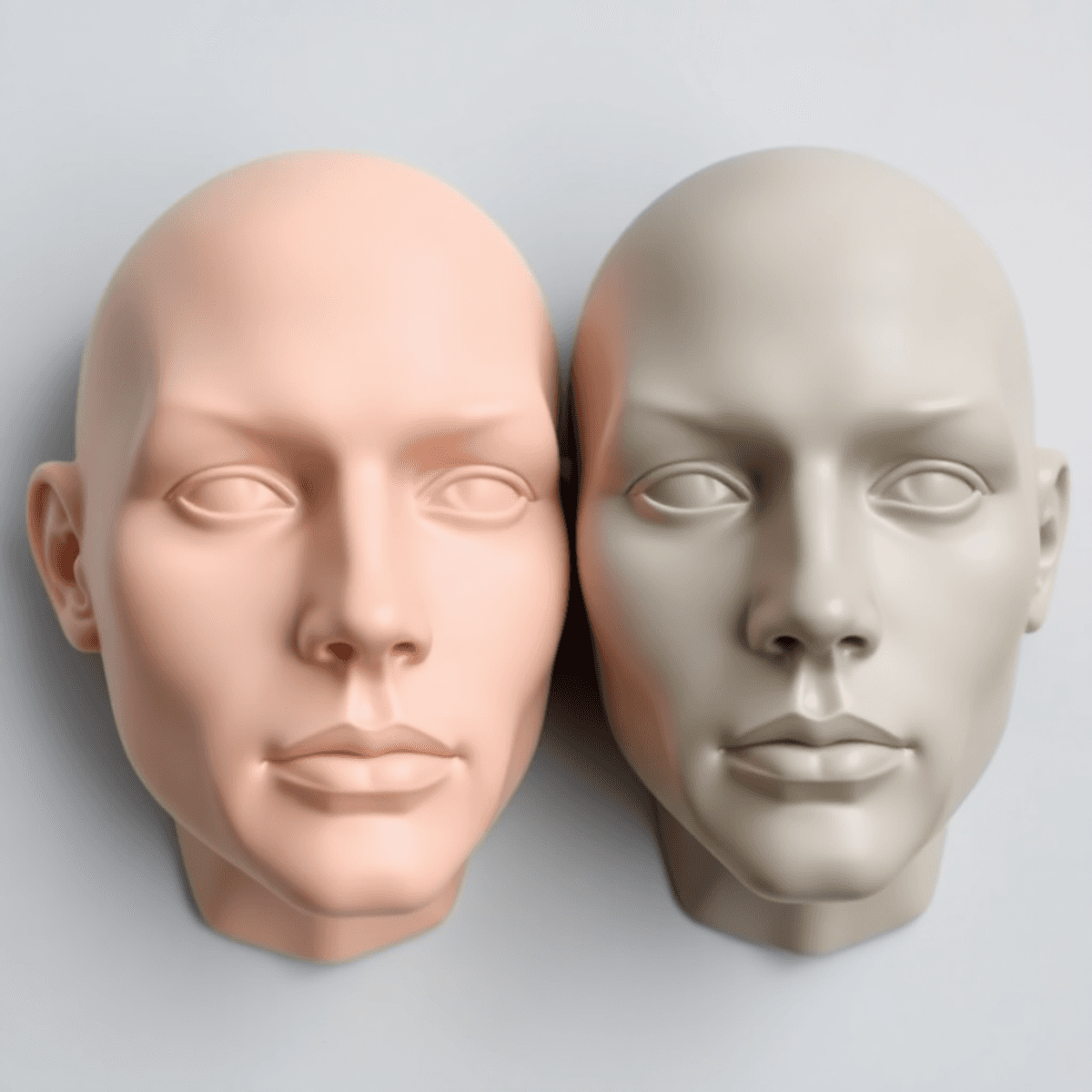
Realistic masks for humans have become increasingly popular in various fields, including cosplay, costume parties, theatrical performances, and pranks. These masks offer a level of detail and authenticity that completely transforms the wearer's appearance, allowing them to convincingly portray different characters or personas.
This article will directly compare Silicone vs. Latex Masks: Pros and Cons, focusing on factors such as comfort, durability, and practical use. Understanding the differences between these two widely used materials can greatly influence your decision-making process and help you find the perfect fit for your specific requirements.
Choosing the right mask is important because each use case has its own unique demands:
- Cosplay and Costume Parties: Masks that are visually striking often rely on both hyper-realism and comfort to ensure they can be worn for long periods during events.
- Theatrical Performances: Realistic human masks enhance storytelling by conveying detailed expressions and allowing for natural movement.
- Pranks: When spontaneity is key, durability and ease of use become crucial factors.
Throughout this guide, you will also find helpful buying tips alongside discussions about the step-by-step process of creating masks, materials commonly used in high-end realistic masks, and answers to questions like how safe are realistic human masks? Our goal is to provide you with clear insights so that you can choose a mask that suits your style, budget, and comfort needs.
Types of Realistic Human Masks
Realistic human masks come in a variety of forms designed to suit different purposes, from entertainment to social experiments. These masks range widely in complexity, material, and coverage.
Categories of Realistic Masks
1. Full Face vs. Half Face Realistic Masks
Full face masks cover the entire face, providing a complete transformation that conceals all facial features. They are ideal for hyper-realistic effects where total disguise is crucial. Half face masks typically cover only part of the face, such as the eyes and nose or nose and mouth, allowing for easier wear and more comfort in prolonged use.
2. Hyper-Realistic Celebrity & Character Masks
These masks replicate well-known faces with incredible detail, often used in movies, TV productions, or social experiments requiring anonymity or disguise. The realism includes skin texture, wrinkles, pores, and even hair strands inserted individually for authenticity.
3. Realistic Masks in Movies & TV Productions
Silicone masks dominate professional settings due to their lifelike appearance and flexibility. They allow actors to convey facial expressions naturally while maintaining full concealment. Latex masks also appear but are less common where realism is paramount.
4. Social Experiments with Realistic Masks
Masks enable researchers or artists to explore identity and perception by altering how participants appear socially. High-quality materials like silicone enhance believability in these scenarios.
How Are Realistic Human Masks Made?
Manufacturing techniques vary based on material and desired realism:
- Digital Sculpting & 3D Scanning: Artists create highly detailed digital models using scans of real faces or customized designs. This process ensures precise replication of facial features.
- Mold Making & Casting: Silicone or latex is poured into molds derived from sculptures or digital prints.
- Hand Painting & Detailing: Skilled artisans apply translucent layers of paint to mimic natural skin tones and imperfections.
- Hair Insertion: Individual hairs may be punched into the mask surface for added realism.
Material Focus: Silicone vs Latex Masks
Among many types available on the market, silicone masks and latex masks stand out as the most popular choices for realistic human disguises. Each offers distinct advantages depending on your specific needs:
- Silicone Masks provide superior skin texture and flexibility.
- Latex Masks offer affordability and effective results for less demanding realism.
Exploring these two materials helps you understand which mask aligns best with your goals in cosplay, theatrical performances, or other uses requiring realistic human appearances.
Silicone Masks
Silicone masks are known for their softness, stretchiness, and impressive durability. Crafted from high-quality platinum silicone, often medical-grade, these masks mimic the texture and flexibility of real human skin. This material allows the mask to move naturally with facial expressions, offering a level of realism that latex simply cannot match.
Behind the Scenes: From Sculpting to Painting
Creating a silicone mask is a meticulous process involving advanced manufacturing techniques:
- Digital sculpting and 3D scanning are commonly used to capture precise facial features. Artists scan real human faces or sculpt digitally to design hyper-realistic molds.
- The silicone is then poured into these molds, cured, and carefully removed.
- Hand-painting follows using translucent airbrushing techniques to replicate subtle skin tones and nuances like freckles or veins.
- For added authenticity, individual hair strands can be inserted by hand using specialized needles.
This attention to detail makes silicone masks the top choice in Hollywood and professional productions aiming for hyper-realism. Iconic movie scenes featuring realistic human masks often rely on silicone for its lifelike appearance.
Allergies and Skin Sensitivities: What You Should Know
Silicone masks offer significant advantages if you have sensitive skin or allergies. Made from hypoallergenic materials, they reduce the risk of irritation or allergic reactions that some people experience with latex. This feature is important for anyone planning extended wear, particularly in theatrical performances or cosplay events where comfort is essential.
What to Look For in a High-Quality Realistic Mask
When selecting a silicone mask, consider:
- Skin texture authenticity: Does the mask replicate fine details like pores and wrinkles?
- Fit and flexibility: Can it stretch comfortably without tearing?
- Breathability: Does it allow you to eat, drink, and talk easily while worn?
- Durability: Is it resistant to UV light, moisture, and tearing?
Masks meeting these criteria often come at a higher price point but provide superior performance during use.
Pros of Silicone Masks
- Lifelike skin texture: Silicone mimics real skin better than any other material.
- Hypoallergenic properties: Safe for sensitive skin.
- Durability: With proper care, masks last decades without degradation.
- Comfort: Softness combined with breathability allows talking, eating, and drinking without removing the mask.
Cons of Silicone Masks
- Higher cost: Silicone masks are more expensive than latex alternatives due to material quality and production complexity.
- Maintenance needs: They require careful cleaning using mild methods to avoid damage from harsh chemicals or abrasion. Proper storage away from sunlight and dust extends lifespan but demands extra effort.
Privacy Issues Surrounding Hyper-Realistic Masks
The realistic nature of silicone masks introduces privacy concerns. Their ability to convincingly disguise identity has led to discussions about misuse in public spaces. Laws about wearing disguises vary by region; some places regulate or restrict their use in public areas due to potential security risks.
The Future of Hyper-Realistic Human Faces: 3D Printing & AI Integration
Advancements in technology fuel the future development of silicone masks:
- 3D printing enables faster production with even finer detail.
- AI-driven facial scanning improves customization tailored exactly to an individual's features.
Such innovations promise increased accessibility and ever-greater realism for both entertainment professionals and enthusiasts alike.
Viral Moments Involving Hyper-Realistic Disguises
Social media has popularized videos showcasing hyper-realistic silicone masks transforming users into celebrities or entirely different people. These viral moments highlight both the artistry involved in mask-making and the broad appeal of these lifelike disguises beyond traditional uses.
Silicone masks stand out as premium products designed for those who demand unparalleled realism combined with comfort and safety during wear—qualities that set them apart from other mask types like latex.
Latex Masks
Latex masks are a popular choice among realistic masks for humans, especially for those seeking an affordable and accessible option. Made primarily from natural or synthetic latex rubber, these masks provide a flexible yet somewhat stiff material that can be molded into a variety of facial shapes and expressions.
Material Composition and Characteristics
- Base Material: Latex rubber, known for its elasticity but less stretchiness compared to silicone.
- Texture: Typically smooth but can be textured depending on the mold and finishing techniques.
- Flexibility: Less flexible and softer than silicone, leading to a firmer feel when worn.
- Appearance: Offers good detail but generally lacks the hyper-realistic skin texture achievable with silicone. The finish may appear more artificial or glossy.
- Breathability: Limited breathability; some latex masks can feel hot and sweaty during extended use.
For more detailed information about different mask materials, you can refer to this mask materials guide.
Common Use Cases
Latex masks find frequent use in:
- Halloween costumes: Ideal for spooky or dramatic effects where extreme realism is less important.
- Horror-themed events: Perfect for creating exaggerated or monstrous faces that stand out.
- Theatrical performances: Used when lightweight, easy-to-wear masks are needed for short durations.
- Beginner’s Guide to Making Your Own Human Mask at Home often features latex due to its availability and ease of casting.
Practical Features
- Lightweight nature makes latex masks comfortable enough for casual events or short-term wear.
- Stiffness compared to silicone means it holds shape well but may restrict facial movement visibility.
- Budget-friendly pricing opens options for hobbyists, cosplayers, or anyone needing multiple costume variations without significant investment.
Advantages of Latex Masks
- Affordability: Generally much cheaper than silicone alternatives, making them accessible to budget-conscious users.
- Versatility: Effective at producing dramatic or horror-themed looks that do not require hyper-realism.
- Ease of Use: Simple to manufacture with traditional molding methods; suitable for DIY projects involving fake masks or counterfeit surgical masks themes.
Limitations
- Durability is limited as latex tends to degrade with exposure to sunlight, heat, and moisture faster than silicone.
- Some users may experience allergic reactions due to natural latex proteins.
- Fake face mask enthusiasts might find latex less convincing when aiming for highly realistic effects like those achieved by hyperflesh mask technologies.
Despite these limitations, latex masks remain a staple in the world of fake masks and fake mask face applications where budget and specific aesthetic effects prioritize over long-term wear and ultimate realism.
Comfort Comparison Between Silicone and Latex Masks
When evaluating mask comfort comparison, the material's inherent properties play a crucial role in how the mask feels during wear.
Silicone Masks: Soft, Flexible, and Breathable
Silicone masks excel because of their softness and flexibility. This softness closely mimics real skin, providing a snug fit that moves naturally with facial expressions. The flexibility reduces pressure points, making silicone masks more comfortable for long hours of use.
Breathability stands out as a key factor in comfort. Silicone’s porous texture allows air circulation, which means you can talk, eat, and drink without needing to remove the fake face mask. This feature is essential for performances or events where interaction is continuous. Those searching for a breathable fake face mask will find silicone options superior since they reduce heat buildup and moisture accumulation inside the mask.
Another aspect influencing comfort is the potential for allergic reactions. Silicone is hypoallergenic, making it suitable for sensitive skin or those prone to allergies—a common concern with latex materials.
People looking specifically for fake masks that look real often prioritize comfort alongside realism. Silicone provides both by combining lifelike appearance with breathable design.
Latex Masks: Lightweight but Potentially Uncomfortable
Latex masks tend to be stiffer due to their rubbery composition. The reduced elasticity often leads to discomfort during extended wear. Users frequently report increased sweating and irritation because latex traps heat against the skin. This makes latex less ideal for activities requiring prolonged use or physical exertion.
Meanwhile, latex masks are more suited to short-term wear where lightweight and affordability matter more than extended comfort.
Making Your Choice: Comfort vs Usability
The choice between silicone and latex also affects usability in varied environments—whether indoor or outdoor—and influences how easily you can maintain natural facial movement without a feeling of tightness or restriction.
In terms of tactile experience, silicone’s smooth finish and stretchiness reduce friction against your skin, avoiding chafing or redness that sometimes accompanies wearing a stiff face mask fake made from latex.
Comfort considerations extend beyond feel alone; they impact your ability to perform tasks naturally while masked—speaking clearly, sipping drinks without removing the mask, or even subtle facial gestures needed in cosplay or acting situations.
For those weighing options on fake face mask that looks real, keep in mind:
- Silicone masks offer superior comfort through softness, breathability, and hypoallergenic qualities.
- Latex masks may cause stiffness-related discomfort and sweating but remain lightweight for casual uses.
Choosing comfort means matching your usage needs to these material differences instead of compromising on either realism or ease of wear.
Practical Considerations When Choosing Between Silicone and Latex Masks
Choosing realistic masks depends heavily on your specific needs and circumstances. Identifying the primary purpose of the mask guides you in selecting the right material.
1. Intended Use
Professional Production: Silicone masks dominate in film, theater, and high-end cosplay because of their lifelike appearance and durability. If you require a mask that performs under demanding conditions—long hours, close-up shots, or repeated use—silicone is the preferred choice. Its ability to mimic subtle facial movements enhances realism essential for professional settings.
Casual Costume Parties or Practical Jokes: Latex masks serve well where extreme realism is not critical. They are ideal for Halloween events, quick costume changes, or prank scenarios where budget constraints and ease of use take priority over hyper-realism.
2. Price Ranges: Budget vs. Premium Options
Silicone masks generally fall into the premium category due to advanced manufacturing techniques such as digital sculpting and hand-painting. Their prices reflect this craftsmanship and the quality of materials used. You invest more upfront but gain longevity, comfort, and superior aesthetics.
Latex masks offer an accessible entry point for those exploring realistic masks without a significant financial commitment. They allow experimentation with different styles or effects without a large initial expense. This affordability makes latex popular among hobbyists or those purchasing masks for one-time events.
3. Practical Jokes and Casual Use
Latex’s lightweight nature makes it convenient for quick wear and removal during pranks or playful scenarios. Its simpler construction means less concern about delicate maintenance compared to silicone, which requires careful handling to avoid damage.
Evaluating these practical factors—purpose of use and budget—helps align expectations with what each mask type can deliver. This clarity ensures satisfaction whether you seek a stunning visual effect or an economical costume solution.
Maintenance Tips for Silicone Masks
Proper care is crucial to keep your realistic masks for humans looking fresh and lasting for years. Silicone masks are delicate in their own way and need specific maintenance to protect their texture, color, and elasticity.
Cleaning Your Realistic Mask: Do’s and Don’ts
Do’s:
- Use mild soap or specially formulated silicone-safe cleansers diluted in lukewarm water.
- Gently wipe the mask with a soft cloth or sponge; avoid scrubbing which can damage the surface.
- Rinse thoroughly with clean water to remove all soap residue.
- Pat dry with a soft towel and allow the mask to air dry completely before storing or wearing again.
- Clean your mask after every use, especially if you wore makeup underneath or exposed it to sweat.
Don’ts:
- Avoid harsh chemicals like alcohol, bleach, acetone, or ammonia-based cleaners that degrade silicone.
- Never use abrasive brushes or rough cloths that can scratch or tear the delicate skin-like finish.
- Don’t soak your mask for long periods as this may weaken adhesives used in construction.
- Avoid exposing the mask to hot water which can warp its shape.
Storage Tips to Prolong Mask Life
Taking care of how you store your silicone mask prevents deformation, discoloration, and dust buildup:
- Store your mask in a cool, dry place away from direct sunlight. UV rays cause fading and material breakdown.
- Use a dedicated face mold or mannequin head to maintain its original shape when not in use.
- Cover the mask with a breathable cotton cloth or place it inside a soft fabric bag to protect from dust without trapping moisture.
- Keep it separate from latex products or vinyl items which release chemicals that might react negatively with silicone over time.
Essential Tools and Materials for DIY Mask Makers
If you customize or repair silicone masks yourself, having the right tools helps ensure quality results:
- Soft brushes for gentle cleaning and applying sealants or paints
- Medical-grade platinum silicone adhesives for patching tears
- High-quality airbrush paints designed for silicone surfaces
- Specialized needles if inserting individual hair strands into the silicone base
- Dust-free gloves to avoid transferring oils and dirt during handling
Tips for Wearing a Mask Comfortably for Long Periods
Comfort extends beyond material softness. Proper preparation enhances your experience:
- Apply a thin layer of skin-safe moisturizer before wearing to reduce friction.
- Take regular breaks if wearing extended hours; this helps prevent heat buildup inside the mask.
- Ensure proper ventilation around eyes, nose, and mouth areas without compromising realism.
- Adjust internal padding carefully; too much pressure causes discomfort but too little affects fit.
Maintaining your silicone mask well keeps it both comfortable and visually impressive through many uses. Attention to cleaning routines and storage conditions preserves its lifelike qualities while avoiding common pitfalls that shorten lifespan.
Conclusion
Choosing between silicone and latex masks depends largely on your specific needs and priorities. Realistic masks for humans come with distinct advantages and limitations that directly impact your experience.
Consider these key factors before making a purchase:
- Budget Silicone masks typically come with a higher price tag due to their advanced materials and manufacturing processes. If cost is a major concern, latex masks provide an affordable alternative without sacrificing the basic disguise effect.
- Comfort Silicone offers superior softness, flexibility, and breathability, which enhances comfort during extended wear. Latex masks are generally stiffer and may cause discomfort or skin irritation, especially during long events.
- Realism For hyper-realistic appearances, silicone masks lead the pack with lifelike skin texture, subtle color nuances, and natural movement. Latex masks serve well in scenarios where detailed realism is less critical—such as Halloween or theatrical horror effects.
You can view this as a silicone vs latex summary based on your intended use:
Factor | Silicone Masks | Latex Masks |
Price | Higher cost | Budget-friendly |
Comfort | Soft, breathable, flexible | Stiffer, may cause sweating |
Realism | Highly lifelike skin texture | Good for dramatic/horror looks |
Durability | Long-lasting with care | Prone to degradation over time |
Skin Sensitivity | Hypoallergenic | Possible latex allergy risk |
Reflect on where you plan to use the mask—professional production or casual costume gatherings—and balance that against your budget and comfort preferences. This approach helps ensure you select the right mask that aligns with your expectations without compromise.
Your next step: evaluate what matters most in your context and invest confidently in the realistic mask type that fits best.
FAQs (Frequently Asked Questions)
What are the main differences between silicone and latex realistic human masks?
Silicone masks offer superior lifelike skin texture, softness, stretchiness, durability with proper care, and comfort benefits such as breathability that allows eating, drinking, and talking while worn. They are hypoallergenic but come at a higher price point and require maintenance. Latex masks are generally more affordable and lightweight, suitable for short-term or casual use. However, they tend to be stiffer, less durable, and provide a lower level of realism compared to silicone.
Which type of realistic mask is better suited for cosplay and theatrical performances?
Silicone masks are preferred for cosplay and professional theatrical performances due to their hyper-realistic appearance, superior comfort during extended wear, and breathability that allows performers to eat, drink, or talk without removing the mask. Latex masks may be used for casual costumes or horror effects where extreme realism is less critical.
How should I maintain and clean my silicone realistic mask to ensure longevity?
To maintain your silicone mask's quality, clean it regularly using gentle methods that avoid harsh chemicals or abrasive materials. Proper storage away from sunlight and dust is essential to prolong its lifespan. Using recommended cleaning tools and materials helps preserve the mask's softness and realistic texture.
Are there any safety or allergy concerns when wearing realistic human masks?
Silicone masks are generally hypoallergenic and safer for sensitive skin compared to latex masks, which can cause allergic reactions in some individuals. It's important to consider personal allergies before choosing a mask material. Additionally, users should be aware of privacy laws regarding wearing disguises in public places.
What practical factors should influence my choice between silicone and latex masks?
Consider your intended use—professional productions or serious cosplay may warrant investing in premium silicone masks for realism and comfort. For budget-friendly options suitable for casual events or pranks, latex masks are appropriate. Also factor in comfort needs for extended wear versus short-term use.
Can realistic human masks be used safely for pranks or social experiments?
Yes, hyper-realistic masks can be effective tools for pranks or social experiments due to their convincing appearance. However, users must be mindful of legal restrictions on disguise use in public spaces and consider ethical implications to ensure safety and respect privacy.


Comments
Post a Comment