What are some popular recipes that combine matcha and rice?
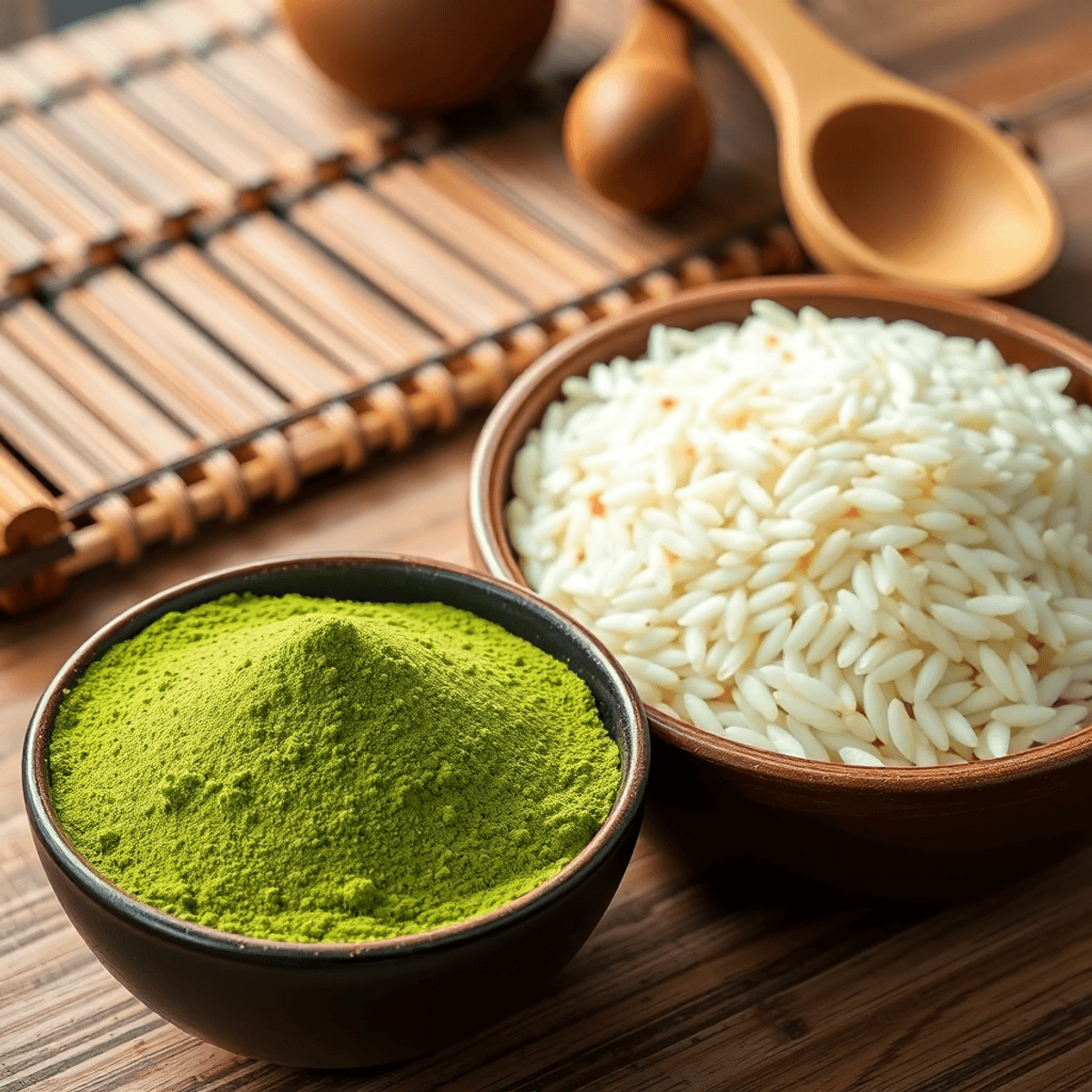
The combination of matcha and rice creates a unique culinary experience that blends tradition with innovation. This fusion brings together the vibrant green tea powder known for its earthy, grassy notes and the versatile staple grain that forms the base of many global dishes.
Matcha rice dishes have become increasingly popular in modern cuisine, especially among those who appreciate both healthy ingredients and new flavors. Chefs and home cooks are experimenting with this pairing, creating recipes that showcase the complementary textures and tastes of matcha and different types of rice.
Exploring popular matcha rice recipes reveals a wide variety—from crispy treats to creamy puddings and chewy cakes. Each recipe demonstrates how these two simple ingredients can be transformed into something extraordinary, offering both familiar comfort and exciting new flavors.
This article explores the origin of matcha rice combinations, explains their flavor profiles, shares standout recipes, and offers tips for preparation. Whether you’re a seasoned foodie or just curious about this trend, you’ll find inspiration to incorporate matcha rice dishes into your cooking.
Understanding Matcha and Rice Combinations
Matcha is a finely ground powder made from specially grown and processed green tea leaves. It has a unique flavor profile with bright grassy notes, a slight bitterness, and a natural sweetness that lingers on the palate. The umami richness of matcha sets it apart from other green teas, making it a versatile ingredient in both drinks and cooking.
The Power of Pairing: Matcha and Rice
Rice varieties paired with matcha vary widely, but one of the most notable is roasted brown rice, known as genmai in Japanese. When combined with matcha, this fusion is often called matcha genmai or genmai matcha, creating a harmonious blend where the roasted nuttiness of brown rice balances the vegetal brightness of the tea powder. This pairing is not only popular in traditional drinks like genmaicha but also inspires innovative dishes in contemporary cuisine.
Exploring Distinct Varieties
Two distinguished varieties worth mentioning are:
- Takaokaya Matcha: Renowned for its vibrant color and smooth texture, Takaokaya matcha offers a refined sweetness coupled with delicate grassy undertones. It works exceptionally well when mixed with rice-based preparations due to its ability to enhance earthy flavors without overpowering them.
- Maeda En Genmai Cha: A classic example of Japanese genmai matcha, this blend combines roasted brown rice with finely ground green tea powder. The result is a toasted aroma paired with fresh green flavors—perfect for those seeking an authentic taste experience in both beverages and food recipes.
Enhancing Culinary Creations
The interplay between nutty roasted rice and grassy matcha produces complex layers of flavor. Brown rice’s mild chewiness complements matcha's smoothness, adding texture contrasts in dishes like mochi cake or rice pudding. Culinary applications benefit from this balance; the earthiness grounds the bright notes while the grassy bitterness cuts through richer ingredients like coconut milk or sweet bean pastes.
Mindful Integration Techniques
Cuisine matcha rice preparation involves mindful integration of these components:
- Using powdered matcha carefully to avoid clumps while maintaining vibrant color.
- Roasting brown rice to deepen aroma before mixing.
- Selecting quality varieties such as Takaokaya Matcha or Maeda En Genmai Cha for authentic flavor profiles.
This thoughtful combination elevates simple ingredients into flavorful experiences that celebrate Japanese heritage while embracing modern innovation.
Popular Matcha Rice Recipes You Should Try Out!
1. Matcha Rice Krispie Treats
Matcha Rice Krispie Treats offer a fun and easy way to enjoy the blend of earthy matcha flavor with the light crunch of puffed rice cereal. This recipe is ideal if you’re looking for a quick dessert or snack that combines traditional Japanese ingredients with a classic American treat.
Ingredients and Preparation:
- Start by melting coconut oil in a large saucepan over low heat. Coconut oil adds a subtle tropical aroma that complements matcha’s grassy notes.
- Once the oil is melted, add marshmallows and stir continuously until they are fully melted and smooth.
- Remove from heat and quickly fold in sifted matcha powder. Sifting prevents clumps, ensuring an even green color and consistent flavor throughout.
- Gently mix in your puffed rice cereal (Rice Krispies work perfectly). Stir carefully to coat every piece with the creamy matcha-marshmallow mixture without crushing the cereal.
- Press the mixture firmly into a greased or parchment-lined pan to set. Use a spatula or clean hands lightly oiled to flatten the surface evenly.
Optional Chocolate Coating:
For an extra layer of indulgence, melt some dark or white chocolate and spread it over the cooled treats. The chocolate provides:
- A rich contrast to the slightly bitter matcha
- Additional texture, balancing chewy marshmallow with crisp chocolate snap
- Visual appeal with glossy finish
Chilling the treats after applying chocolate helps it harden quickly for neat slicing.
This puffed rice cereal recipe highlights how cooking with matcha can transform familiar snacks into innovative delights. The vibrant green hue paired with the toasted aroma of coconut oil makes these treats both eye-catching and delicious. Perfect for sharing at gatherings or as an energizing pick-me-up during your day.
2. Coconut Matcha Rice Pudding with Date Adzuki Bean Paste (Vegan)
This vegan matcha rice pudding stands out among matcha rice recipes for its creamy texture and layered flavors. It begins by cooking arborio rice slowly in rich coconut milk infused with vibrant matcha powder. Arborio rice is ideal here because its high starch content creates a naturally thick, luscious pudding that carries the earthy, grassy notes of matcha beautifully.
Key preparation steps include:
- Simmering arborio rice gently with coconut milk over low heat until tender and creamy.
- Whisking in matcha powder early in the cooking process to ensure even distribution and a bright green color.
- Adjusting sweetness with a subtle touch of natural sweeteners or leaving it lightly sweetened to let the matcha flavor shine.
The pudding reaches another level of complexity when topped with date-sweetened adzuki bean paste. This homemade paste blends cooked adzuki beans with pureed dates, delivering a natural caramel-like sweetness without refined sugars. The contrast between the smooth, slightly bitter matcha pudding and the rich, sweet adzuki paste is essential for balancing flavors.
Highlights of this recipe:
- Entirely vegan-friendly, using plant-based ingredients like coconut milk and natural sweeteners.
- Combines nutty, earthy matcha with creamy coconut richness, creating a harmonious flavor profile.
- The addition of adzuki bean paste provides a traditional Japanese dessert element, enhancing authenticity.
This approach to cooking with matcha integrates well into dessert menus or as a comforting snack. It showcases how rice can serve as a versatile base when paired with powdered matcha and complementary toppings like adzuki bean paste. The use of plant-based ingredients also expands options for those seeking vegan alternatives within the realm of matcha rice recipes.
3. Matcha Mochi Cake
Matcha rice recipes often explore diverse ways to combine matcha with rice-based ingredients beyond traditional beverages and simple snacks. One standout in this category is the Matcha Mochi Cake, a delightful sweet rice flour dessert that perfectly balances chewy texture with the distinctive flavors of matcha.
This butter mochi cake recipe uses mochiko, a type of sweet rice flour, as its base. Mochiko provides a unique elasticity and chewiness that sets this dessert apart from typical cakes or pastries. When combined with high-quality matcha powder, the result is a nutty, earthy flavor profile that resonates deeply with fans of cooking with matcha.
The preparation involves mixing mochiko with sugar, baking powder, coconut milk, and melted butter alongside matcha powder. The batter is poured into a baking dish and baked until it develops a golden crust while maintaining a soft, springy interior. This texture contrast—crispy edges paired with a tender center—is one of the defining features that makes this recipe so enjoyable.
To elevate the complexity of flavors, the cake is garnished with toasted shredded coconut and flaky sea salt after baking. The toasted coconut adds a subtle crunch and sweetness that complements the grassy bitterness of matcha, while the flaky salt enhances the overall taste experience by providing bursts of savory contrast.
This recipe showcases how versatile matcha rice combinations can be. From puffed rice cereal recipes like Matcha Rice Krispie Treats to creamy puddings and chewy mochi cakes, matcha integrates seamlessly into various textures and formats within rice-based desserts. Experimenting with these recipes invites you to explore new dimensions of flavor and mouthfeel in your culinary adventures with matcha and rice.
Ingredients Highlight: Flavor Profiles and Nutritional Benefits
Understanding the flavor matcha rice ingredients brings depth to appreciating these recipes. Matcha offers a distinct grassy bitterness that introduces brightness and complexity. This sharp, vegetal note pairs seamlessly with the mild nuttiness of roasted brown rice, or genmai, creating a balanced taste experience that is both earthy and refreshing.
Flavor Contributions
- Matcha: Provides a vibrant green color along with its signature grassy, slightly astringent flavor. The powder’s fine texture allows it to blend smoothly into rice dishes, enhancing aroma and taste.
- Roasted Brown Rice (Genmai): Adds warm, toasted notes that mellow the sharpness of matcha. Its subtle nutty flavor enriches recipes with depth without overpowering.
- Sweet Rice Flour (Mochiko): Offers a chewy texture and mild sweetness. When combined with matcha, it complements the bitterness by adding a soft mouthfeel.
- Additional Ingredients: Coconut milk or shredded coconut bring creamy sweetness and tropical undertones that harmonize well with the earthiness of matcha and rice.
Health Benefits of Matcha and Rice
- Antioxidants in Matcha: Rich in catechins like EGCG (epigallocatechin gallate), matcha supports metabolism and provides cellular protection against oxidative stress. These antioxidants contribute to its reputation as a superfood ingredient.
- Fiber from Roasted Brown Rice: Unlike white rice, genmai retains bran layers packed with dietary fiber. This promotes digestive health and helps maintain stable blood sugar levels.
- Nutrients in Genmai Cha: This traditional blend of roasted brown rice with green tea combines the benefits of both ingredients—antioxidants from tea leaves and vitamins like B-complex from the whole grain rice.
- Vegan-Friendly Nutrition: Coconut-based recipes using matcha and rice deliver healthy fats along with plant-based proteins, making these dishes nutrient-dense without animal products.
Cultural Importance
In Japanese cuisine, matcha and genmai are staples that reflect an appreciation for natural flavors and healthful eating. Genmaicha, the classic infusion of green tea mixed with roasted brown rice, exemplifies this culinary heritage by balancing bitterness with nuttiness—a flavor harmony carried into modern desserts and snacks. The use of these ingredients honors centuries-old traditions while inspiring innovative fusion recipes that respect their origins.
This intricate blend of flavors paired with tangible health benefits explains why matcha rice combinations continue to gain popularity among home cooks and professional chefs alike. Their ability to delight the palate while nourishing the body makes them exceptional choices for contemporary cuisine.
Techniques for Preparing Matcha Rice Dishes
Mastering matcha rice preparation techniques enhances both flavor and texture in your dishes. Matcha powder can be tricky to work with, especially when combined with sticky or creamy rice bases. Here are practical tips to get it right:
1. Preventing Clumps
Sift matcha powder before adding it to any rice preparation. This breaks up lumps and ensures even distribution. When mixing matcha into warm or hot rice, create a smooth slurry by whisking the matcha with a small amount of liquid (water, coconut milk, or broth) first. Gradually fold this mixture into the rice to avoid clumping.
2. Balancing Moisture Levels
For mochi cakes or creamy puddings, moisture control is key. Use slightly less liquid than typical recipes call for when incorporating matcha since it can sometimes intensify the perception of dryness. Adjust liquids like coconut milk or water incrementally while cooking to maintain a soft yet firm consistency. Overly wet mixtures can compromise chewy textures typical of mochi.
3. Roasting Brown Rice (Genmai) for Aroma
Roasting or using pre-roasted brown rice enhances the nutty depth that complements matcha’s grassy notes. To roast at home, dry-toast brown rice in a skillet over medium heat until golden and fragrant—around 5 to 10 minutes—stirring often to prevent burning. This process unlocks oils in the grains that boost aroma and flavor complexity in dishes like Genmaicha-inspired recipes.
4. Incorporating Pre-Roasted Genmai Cha
Using Maeda En Genmai Cha or similar high-quality pre-roasted blends adds effortless authenticity and rich flavor layers without extra preparation time. These blends balance the bitterness of matcha with the toasted nuttiness from roasted rice perfectly.
5. Temperature Control During Mixing
Introduce matcha powder into warm but not boiling preparations to preserve its delicate antioxidants and vibrant green color. Excessive heat can degrade flavor and nutrients quickly.
6. Stirring Techniques
Gentle folding rather than vigorous stirring helps maintain airiness in puffed rice treats like Matcha Rice Krispie Treats while ensuring even coating.
These approaches reflect traditional and modern cooking tips for genmai cha dishes while optimizing nutrients Matcha rice dishes provide. Understanding these techniques allows you to create balanced textures and flavors rooted in the tips Matcha rice history has refined over centuries.
Cultural Significance and History Behind Matcha-Rice Combinations
The history of Japanese genmai matcha goes back many years and is deeply connected to traditional tea culture. Genmaicha, a mix of green tea and roasted brown rice, was created as a practical drink that balanced the grassy bitterness of green tea with the nutty warmth of toasted rice. This combination was originally popular among common people who extended their limited tea supplies by mixing them with roasted rice grains. The outcome was a comforting, fragrant drink enjoyed by all social classes.
Genmaicha represents a balance between nature's elements — the vibrant green of matcha powder and the earthiness of roasted brown rice. The roasting process adds a subtle smokiness that enhances matcha's vegetal notes, resulting in a soothing yet complex flavor profile.
The cultural significance of Maeda En Genmai Cha lies not only in its taste but also in its connection to heritage and craftsmanship. Maeda En, a respected producer known for quality green teas blended with genmai, embodies traditional Japanese values. Their focus on sourcing premium matcha powder and carefully roasted brown rice emphasizes the importance of balance and respect for ingredients in Japanese culinary arts.
Maeda En Genmai Cha is often celebrated as an authentic representation of this heritage, serving as an inspiration for chefs and home cooks exploring matcha-rice pairings beyond beverages.
This cultural foundation has driven the development of matcha-rice combinations into modern culinary applications such as desserts and snacks. Traditional elements like roasted brown rice have been transformed into new forms:
- Incorporation into sweets like mochi cakes that blend sticky rice flour with matcha powder for texture and flavor depth.
- Use in innovative snacks such as Matcha Rice Krispie Treats that combine puffed rice cereal with matcha-infused marshmallow mixtures.
- Creation of creamy desserts like Coconut Matcha Rice Pudding enhanced by natural sweeteners and complementary beans.
Heritage continues to influence these contemporary recipes through:
- Emphasis on ingredient quality, mirroring centuries-old practices.
- Respect for balance in flavor—grassy bitterness countered by nutty sweetness or creamy textures.
- Presentation styles that pay homage to Japanese aesthetics while appealing to diverse palates worldwide.
Understanding the origins of matcha-rice fusion deepens appreciation for each bite or sip. It reveals how cultural traditions shape innovative dishes today, preserving history while inviting experimentation.
Pairings and Serving Suggestions for Matcha Rice Dishes
Creating well-balanced matcha rice dish pairings elevates the natural flavors of both matcha and rice, enhancing your culinary experience. The unique grassy bitterness of matcha and the mild nuttiness of rice offer a versatile foundation for diverse flavor combinations.
Complementary Flavors
- Sweet red bean paste (anko): This classic companion adds a subtle sweetness that contrasts beautifully with matcha’s earthiness. Ideal for mochi cakes or as a topping on matcha rice pudding, it provides a rich, creamy texture that complements the chewy or creamy nature of rice-based desserts.
- Citrus accents: Light citrus notes from yuzu, lemon zest, or orange peel introduce brightness that lifts the dense, grassy tones of matcha. These accents work well when sprinkled over coconut matcha rice pudding or incorporated into glaze coatings on matcha treats.
- Toasted nuts and seeds: Almonds, sesame seeds, or pistachios bring an added crunch and depth of flavor. Their roasted aroma pairs perfectly with genmai cha (roasted brown rice and matcha blend), reinforcing the nutty undertones present in both ingredients.
Beverage Pairings
- Light green teas: Sencha or hojicha serve as excellent beverage companions due to their gentle profiles that echo the tea base in matcha rice dishes without overpowering them.
- Floral infusions: Jasmine or chamomile tea offer delicate floral notes that contrast yet harmonize with the earthiness of matcha, creating a balanced palate experience.
- Subtle fruit teas: Infusions like white peach or berry blends can introduce a hint of natural sweetness, ideal alongside desserts such as matcha mochi cake.
Serving Ideas and Course Integration
- Serve matcha rice krispie treats as handheld snacks during casual gatherings or afternoon tea sessions. Their crisp texture and sweet flavor make them crowd-pleasers.
- Present coconut matcha rice pudding with date adzuki bean paste as a refined dessert course following light meals. Its creamy consistency and layered flavors offer satisfying closure without heaviness.
- Incorporate matcha mochi cake slices into brunch spreads paired with fresh fruit and whipped coconut cream for a unique fusion twist.
- Use smaller portions of these dishes as part of multi-course tasting menus to showcase how traditional elements like genmai cha can evolve into innovative sweet creations.
Exploring various cuisine combinations with genmai cha enriches your ability to craft delightful pairings that highlight both boldness and subtlety in each bite. Experimenting with texture contrasts—crispy versus creamy—and flavor balances—sweet versus slightly bitter—opens new avenues for enjoying matcha rice beyond customary applications.
Final Thoughts On The Versatility Of Matcha And Rice Together!
The combination of matcha and rice opens up a world of creative culinary possibilities. These two ingredients, each with distinctive textures and flavors, blend seamlessly to offer dishes that are both comforting and intriguing.
Experimentation is key. Trying out the recipes shared earlier will help you discover how matcha’s grassy bitterness balances with the nutty, mild qualities of rice in different forms—from crispy treats to creamy puddings and chewy mochi cakes.
Textures vary widely. Whether you prefer the crunch of puffed rice or the smoothness of arborio rice pudding, matcha adapts well, enhancing each dish with its unique flavor profile.
Customization allows for personal flair. Adjust sweetness levels, add complementary toppings like red bean paste or citrus zest, and explore beverage pairings to suit your taste preferences.
Embracing this combination not only enriches your palate but also connects you with a cultural heritage rooted in Japanese tradition. The versatility of matcha rice dishes makes them suitable as snacks, desserts, or even part of a larger meal.
You are encouraged to dive into these recipes and make them your own. This hands-on approach is the best way to appreciate the depth and nuance that matcha rice offers. Enjoy the journey of flavor exploration and texture discovery—your kitchen becomes a place where tradition meets innovation in every bite.
FAQs (Frequently Asked Questions)
What is matcha rice and why is it gaining popularity in modern cuisine?
Matcha rice is a unique culinary fusion that combines the grassy, slightly bitter flavor of matcha green tea powder with various types of rice, including roasted brown rice (genmai). This combination has gained popularity due to its distinctive taste profile and versatility in both traditional and contemporary recipes.
What types of rice are commonly used with matcha in recipes?
Different types of rice used with matcha include roasted brown rice known as genmai, as well as sweet rice flour (mochiko) for mochi cakes. Varieties such as Japanese genmai matcha, Takaokaya Matcha, and Maeda En Genmai Cha are popular choices that complement the nutty and earthy flavors inherent in these dishes.
Can you describe some popular matcha rice recipes to try at home?
Popular matcha rice recipes include Matcha Rice Krispie Treats made by folding marshmallows and matcha powder into puffed rice cereal; Coconut Matcha Rice Pudding featuring arborio rice cooked with coconut milk and sweetened adzuki bean paste; and Matcha Mochi Cake using sweet rice flour combined with high-quality matcha powder for a chewy, flavorful dessert.
What are the health benefits of combining matcha with rice in culinary dishes?
Combining matcha with rice offers nutritional benefits such as antioxidants from the grassy bitterness of matcha and dietary fiber from roasted brown rice (genmai). This pairing not only enhances flavor but also contributes to overall wellness by providing nutrients integral to traditional Japanese cuisine.
What techniques can help prevent clumping when preparing matcha rice dishes?
To avoid clumping when incorporating powdered matcha into sticky or creamy rice preparations, it is best to carefully balance moisture levels and gently fold the powder into the mixture. Additionally, roasting or using pre-roasted brown rice can enhance aroma while aiding texture consistency in dishes like mochi or pudding.
How do cultural traditions influence modern matcha-rice recipes?
The cultural significance of combining green tea powder with roasted brown rice originates from traditional Japanese beverages like Genmaicha. This heritage influences contemporary culinary adaptations by inspiring innovative desserts and snacks that honor the original flavors while appealing to modern tastes.


Comments
Post a Comment