What's the difference between matcha and yerba mate?
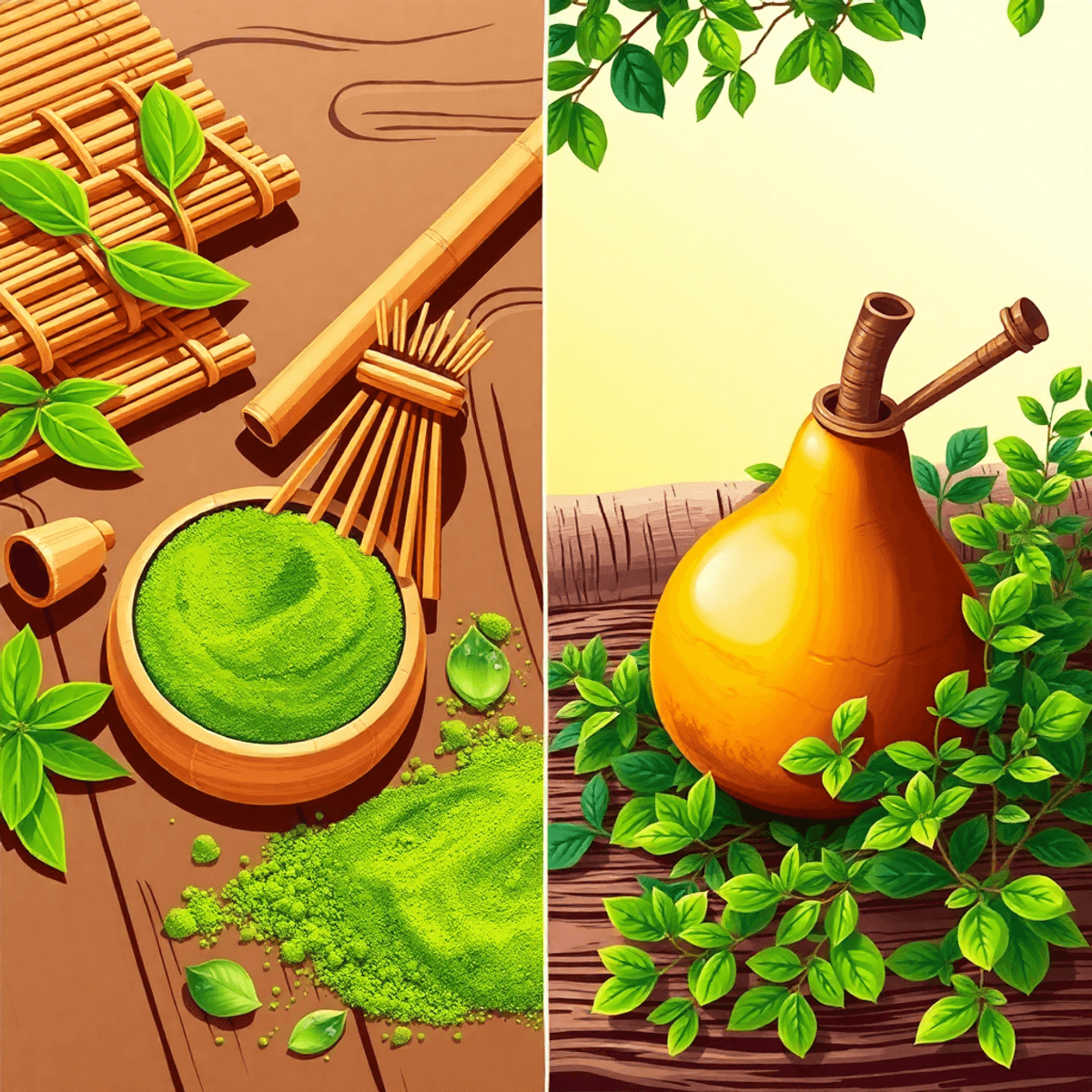
If you've ever wandered down the tea aisle or scrolled through Instagram hashtags like #matchamate or #yerbamate, you might have noticed a sudden surge in popularity for two buzzworthy brews: matcha and yerba mate. These vibrant, energising drinks have captured hearts (and taste buds) worldwide, from Tokyo tea rooms to Buenos Aires cafés.
Yet, a swirl of confusion often bubbles up around these green wonders. Is it mate matcha tea or matcha mate? Are they the same? Can you mix mate and matcha without creating some bizarre botanical cocktail? Questions like these send many on a wild Google chase — only to find themselves more puzzled by terms like baer mate matcha or matcha o mate.
This article steps in as your friendly guide to untangle the leafy mystery. You’ll discover:
- What sets matcha and yerba mate apart.
- How their names might trick you but their origins, flavours, and rituals couldn’t be more different.
- Why understanding these differences matters whether you’re a curious newcomer or a seasoned sipper.
One interesting aspect of yerba mate is its connection with biodiversity. The cultivation of this plant has been linked to biodiversity loss and invasive species, which is an important consideration in its production.
Additionally, the unique way of consuming yerba mate using a metal straw adds to its cultural significance.
By the end of your read, you’ll confidently navigate the world of mate matcha tea without mixing up your steeps—or your caffeine hits.
Origins and Cultural Background
The story of matcha begins in Japan, where it enjoys a status far beyond just a beverage. Matcha's roots trace back to the 12th century when Buddhist monks brought powdered green tea from China. It swiftly became a cornerstone of Japanese culture, especially within the chanoyu or Japanese tea ceremony. This ceremony is not merely about drinking tea; it embodies harmony, respect, purity, and tranquillity. The ritualistic preparation and consumption of matcha turn an everyday act into a meditative experience, highlighting the profound cultural significance attached to this bright green powder.
On the other side of the globe, yerba mate hails from South America—in particular, countries like Argentina, Brazil, Paraguay, and Uruguay. Indigenous to the Guarani people long before European colonisation, yerba mate was more than just a drink; it was a social glue binding communities together. Sharing yerba mate from a single gourd (often called chimarrão in Brazil) passed around a circle symbolises friendship and hospitality. The very word "mate" comes from the Quechua word mati, meaning gourd or container.
This indigenous heritage remains strong today—especially in Argentina where yerba mate is almost a national pastime. The ritual involves filling the gourd with dried leaves and sipping through a metal straw (bombilla), often accompanied by lively conversation or moments of quiet reflection. Yerba mate’s role transcends hydration: it represents community bonding and cultural pride.
It is crucial to note how both teas carry deep traditions that influence their modern popularity. While matcha stands as a symbol of refined Japanese aesthetics and mindful living, yerba mate reflects the vibrant social fabric of South American life. These cultural contexts shape not only how each tea is consumed but also how they are perceived globally—sometimes leading to playful mix-ups like “argentina matcha” or “yerba mate a matcha,” phrases that hint at curiosity but also confusion between two very distinct drinks.
The traditional settings for enjoying these beverages remain important:
- Matcha thrives in calm environments—tea rooms or minimalist spaces dedicated to meditation.
- Yerba mate flourishes in dynamic social settings—parks, family gatherings, street corners bustling with chatter.
Understanding these origins helps clarify why each tea has its unique identity despite occasional blending in popular culture or trendy cafes serving “mate matcha tea” combos. Rather than rivals, they are culturally rich siblings born from different soils yet both cherished worldwide for their unique stories and rituals.
Botanical Differences and Plant Sources
Matcha and yerba mate might be best buddies in the tea world, but their family trees are quite different. The botanical roots tell a tale of two plants with very distinct personalities.
Matcha: The Refined Green Tea Leaf
- Plant: Camellia sinensis — the classic green tea plant.
- Growing Conditions: Matcha leaves are pampered under shade for about three weeks before harvest. This shady retreat boosts chlorophyll production, giving matcha its signature vivid green hue and enriching its amino acid content.
- Processing: After handpicking, the leaves are steamed (to stop oxidation), carefully dried, and then stone-ground into a fine, emerald powder. This powder is what ends up whisked into your cup, meaning you consume the entire leaf in powdered form.
- Impact on Taste & Preparation: Being a powdered whole leaf, matcha delivers a concentrated, smooth umami flavour with vegetal notes. The shade-growing process softens bitterness and amplifies sweetness.
Yerba Mate: The Sturdy Holly Cousin
- Plant: Ilex paraguariensis — a holly species native to South America.
- Harvesting: Leaves and young twigs are harvested from this evergreen tree, then dried — often over smoky fires — which lends the brew its characteristic earthy or smoky aroma.
- Processing: Instead of pulverising like matcha, yerba mate undergoes drying and sometimes curing but remains as loose leaves and twigs. These are steeped in hot water for infusion.
- Impact on Taste & Preparation: The presence of twigs along with leaves offers a robust, grassy, slightly bitter flavour profile that can vary regionally depending on drying methods.
Plant Type Differences Shape Drinking Experience
Aspect | Matcha (Camellia sinensis) | Yerba Mate (Ilex paraguariensis) |
Plant Family | Tea plant family (Theaceae) | Holly family (Aquifoliaceae) |
Form Consumed | Finely ground powder (whole leaf) | Dried leaves & twigs for infusion |
Growing Environment | Shade-grown for amplified colour & flavour | Grown in subtropical forests; naturally sun-exposed |
Flavour Influence | Umami-rich, vegetal, smooth | Earthy, grassy, sometimes smoky |
Preparation Style | Whisked powder creating uniform suspension | Steeping leaves/twigs creating infusion |
The differences between Camellia sinensis and Ilex paraguariensis extend far beyond their looks. Their distinct growing conditions and processing methods influence how each tea tastes and how you prepare it. Matcha’s powdered form means you enjoy nutrients from the entire leaf directly, whereas yerba mate’s infusion method extracts flavours and compounds from dried plant matter floating around your gourd.
This botanical double act explains why these teas offer such diverse sensory experiences and health benefits despite both being celebrated as energising traditional drinks.
Preparation Methods and Rituals
The magic of matcha mate tea and yerba mate matcha doesn't just lie in their unique flavours but also in the theatrical rituals and preparation methods that accompany each brew. These ceremonies and techniques define the drinking experience as much as the taste.
Matcha Preparation: The Art of Whisking
Matcha is prepared using a specific method that involves whisking the powdered tea with hot water to create a frothy beverage. Here are the key steps involved in the preparation process:
- Start with high-quality matcha powder, which is made from finely ground green tea leaves.
- Boil water and let it cool slightly to around 80°C (176°F) to avoid burning the matcha.
- In a bowl, add the desired amount of matcha powder (usually 1-2 teaspoons)
- Pour the hot water over the matcha powder.
- Using a bamboo whisk (chasen), vigorously whisk the mixture in a zigzag motion until it becomes frothy and well combined.
- Pour into a cup or bowl and enjoy your perfectly prepared matcha!
Yerba Mate Preparation: The Social Sip
Yerba mate is traditionally prepared using a different method that involves steeping dried leaves in hot water. Here's how you can prepare yerba mate:
- Start by filling a cured gourd (mate) with loose yerba mate leaves, about half to three-quarters full.
- Tilt the gourd at an angle so that the leaves are slanted.
- Insert a metal straw (bombilla) into the bottom of the gourd, making sure it reaches the bottom where the leaves are.
- Boil water and let it cool slightly to around 70-80°C (158-176°F)
- Pour hot water into the gourd, avoiding direct contact with the bombilla to prevent clogging.
- Sip through the bombilla and enjoy your yerba mate!
Whole Leaf Powder vs. Infusion: Nutrient Delivery Differences
Both matcha and yerba mate offer unique health benefits, but they differ in how nutrients are delivered:
- Matcha: When you consume matcha, you're ingesting the entire leaf in powdered form. This means you're getting an intense concentration of antioxidants like catechins (EGCG), vitamins, minerals, and L-theanine directly into your system.
- Yerba Mate: With yerba mate, you're steeping dried leaves in hot water. While this method extracts some beneficial compounds such as polyphenols, saponins, caffeine, vitamins B & C, and minerals into the liquid, it also leaves behind some plant fibres and compounds since you're not consuming the whole leaf.
This difference affects not only nutrient density but also mouthfeel. Matcha’s silky texture contrasts with yerba mate’s more rustic, leafy experience through the bombilla straw.
Both preparations showcase how tradition shapes not just taste but also how these teas gift their healthful benefits—one by inviting you to drink nature whole; the other by steeping its essence into a shared moment.
Flavour Profiles and Sensory Experience
When faced with the eternal question of matcha e mate or mate o matcha, flavour often plays the decisive role. Both drinks offer a sensory journey, but their taste profiles couldn’t be more different — like comparing a zen garden to a wild rainforest.
Matcha: The Velvet Green Dream
Matcha greets your palate with a gentle, velvety texture that carries an umami-rich vegetal flavour. Imagine soft green tea leaves mingling with a faint hint of sweetness and a whisper of seaweed.
Here’s what to expect from matcha:
- Smooth and Umami-Rich: Matcha greets your palate with a gentle, velvety texture that carries an umami-rich vegetal flavour. Imagine soft green tea leaves mingling with a faint hint of sweetness and a whisper of seaweed.
- Vibrant Green Colour: The vivid emerald hue isn’t just eye candy; it signals freshness and the presence of chlorophyll. It’s like drinking liquid jade, which adds to the whole sensory experience.
- Delicate Sweetness and Creaminess: Unlike many teas that can be bitter, high-quality matcha has a natural sweetness wrapped in creamy mouthfeel, making it incredibly smooth on the tongue.
- Subtle Astringency: There’s a clean finish with mild astringency that nudges you to take another sip rather than recoil.
Yerba Mate: Earthy Boldness in a Cup
Yerba mate delivers an upfront earthy flavour, reminiscent of damp forest floor or fresh-cut grass. This isn’t your garden-variety herbal tea; it proudly flaunts its wild South American roots.
Here are the key characteristics of yerba mate:
- Earthy and Grassy: Yerba mate delivers an upfront earthy flavour, reminiscent of damp forest floor or fresh-cut grass. This isn’t your garden-variety herbal tea; it proudly flaunts its wild South American roots.
- Robust and Smoky Variants: Depending on the region or how it’s prepared (some varieties are smoked), yerba mate can present robust, almost smoky notes that add complexity.
- Bitterness with Depth: Yerba mate’s bitterness is deeper and more pronounced compared to matcha but balanced by herbal undertones that evoke nature in full force.
- Slightly Astringent with Nutty Hints: The infusion finishes with subtle nutty nuances and lingering dryness, encouraging slow sipping and contemplation.
Which Flavour Wins Your Heart?
Choosing between mate o matcha depends heavily on personal taste preferences:
- Fans of smooth, mellow flavours with soft umami edges tend to lean towards matcha. Its creamy texture suits those who enjoy a luxurious mouthfeel alongside subtle vegetal notes.
- Those who crave boldness, earthiness, and complex herbal characteristics often opt for yerba mate. It appeals to adventurous palates looking for something robust with layers of smoky or grassy depth.
Both drinks boast unique sensory identities that reflect their origins — Japan’s refined tea gardens versus South America’s untamed subtropical forests. Whether you prefer the velvet touch of powdered green leaves or the rustic charm of steeped holly leaves, flavour guides you through this cultural journey sip by sip.
Nutritional Content and Health Benefits Comparison
When exploring the nutritional benefits of matcha and yerba mate, we find an interesting comparison. Both drinks have impressive health benefits, but their specific chemical makeups make them unique.
Antioxidant Profiles: The Green Warriors
Antioxidants are compounds that help protect our cells from damage caused by harmful molecules called free radicals. Here's how matcha and yerba mate stack up in terms of their antioxidant content:
Matcha: The Powerhouse of Antioxidants
Matcha is rich in a type of antioxidant called catechins, particularly EGCG (epigallocatechin gallate). EGCG is known for its powerful effects on the body, including:
- Protecting cells from damage
- Reducing inflammation
- Supporting metabolism
Yerba Mate: The Combination of Polyphenols and Saponins
Yerba mate, on the other hand, contains a variety of beneficial compounds such as polyphenols and saponins. While polyphenols also act as antioxidants like catechins, yerba mate's saponins offer additional benefits such as reducing inflammation and supporting immune function.
In simple terms, think of matcha as the smooth jazz of antioxidants — refined and focused — while yerba mate plays the earthy blues with a complex, hearty rhythm.
Caffeine Content: Energiser Bunnies in Different Styles
Caffeine is a natural stimulant that can boost energy levels and improve mental alertness. Here's how matcha and yerba mate differ in their caffeine content:
Matcha: Calm Focus with L-theanine
Matcha contains approximately 70 mg of caffeine per serving. What sets matcha apart is its unique combination with L-theanine, an amino acid that promotes calmness without drowsiness. This means you can enjoy the energising effects of caffeine while staying relaxed and focused.
Yerba Mate: Immediate Kick with Theobromine
Yerba mate has slightly higher caffeine content at around 80-85 mg per cup. Instead of L-theanine, it contains theobromine (also found in chocolate), which provides an immediate boost of energy but may not have the same calming effect as L-theanine. This makes caffeine in yerba mate an interesting topic for those who enjoy its energising effects.
This means choosing between matcha and yerba mate can feel like picking your caffeine personality: do you want the steady zen focus of matcha yerba or the vibrant buzz of yerba matcha tea?
Vitamins & Minerals: The Nutritional Rolodex
Both matcha and yerba mate offer their own set of vitamins and minerals:
Yerba Mate: A Boost of B Vitamins and Vitamin C
Yerba mate stands out with its high content of B vitamins (such as B1, B2, B3) and vitamin C. These vitamins play important roles in supporting immune health, energy metabolism, and overall well-being.
Matcha: Trace Minerals for Balance
Matcha provides trace minerals like potassium, calcium, magnesium along with vitamin C in smaller amounts. Its whole-leaf consumption means you get nutrients from the entire leaf rather than just an infusion.
Health Benefits: A Botanical Buffet
The various compounds found in both drinks contribute to potential health benefits:
Benefit Category | Matcha | Yerba Mate |
Antioxidant Power | High EGCG content combats free radicals | Polyphenols & saponins reduce inflammation |
Mental Clarity | L-theanine + caffeine for calm focus | Theobromine + caffeine for energising boost |
Metabolism Support | May aid fat oxidation | Can enhance physical endurance |
Immune Function | Anti-inflammatory properties | Rich in vitamin C & minerals |
Cardiovascular Health | Supports healthy cholesterol levels | Potential vasodilator effects |
These potential benefits make both matcha and yerba mate appealing choices for those seeking natural ways to support their health.
Effects on Energy Levels and Mental Focus
When deciding between matcha and yerba mate, the caffeine effects of matcha mate take centre stage. Both bring caffeine to the party, but they RSVP with very different vibes.
Matcha’s secret weapon: L-theanine. This calming amino acid teams up with caffeine to create a smooth, sustained alertness. Picture this: your brain is sipping a green tea latte while calmly solving world problems—no jitters, no sudden crashes, just steady mental clarity. L-theanine gently eases the caffeine rush into a focused yet relaxed state, perfect for studying, meditating, or power-working without bouncing off the walls.
Yerba mate plays a different tune. Its caffeine content hangs slightly higher (around 80-85 mg per serving) and is accompanied by other stimulants like theobromine and theophylline. The result? A robust energy kick that’s quick and noticeable. This makes yerba mate the go-to for those mornings when you need an immediate wake-up call or a physical boost before hitting the gym. Yet, this stronger stimulant profile can sometimes lead to less calmness and more of that “buzz” feeling — not ideal if you want zen-like focus.
Choosing Based on Your Desired Effects
Choosing between these two often depends on your desired cognitive or physical effects:
- Need calm, focused attention? Matcha’s blend of caffeine and L-theanine offers that sweet spot.
- Craving a sharp energy spike? Yerba mate delivers with its potent stimulant cocktail.
- Looking for sustained work sessions without jitters? Matcha keeps you in the “flow zone.”
- Want a fast pick-me-up with an earthy kick? Yerba mate fuels quick mental clarity but may edge into jitter territory.
Some adventurous drinkers experiment with matcha mate combos — blending both powders or alternating sips — aiming to capture the best of both worlds: calm alertness plus energising punch. While not traditional, this hybrid approach sparks curiosity among aficionados seeking unique caffeine experiences.
Understanding how each beverage interacts with your body’s chemistry can turn your daily cuppa into a tailored performance enhancer rather than a random caffeine gamble.
Common Misconceptions about Matcha Mate Combinations & FAQs
Confusing matcha and yerba mate is like mixing up a sleek ninja with a rugged cowboy—both cool, but wildly different in style and substance. Let’s clear up some of the fog around the mate matcha difference and tackle your matcha mate questions answered.
The Great "Mate Match" Mix-Up
1. Are matcha and yerba mate the same thing?
No, they are not long-lost twins separated at birth. Matcha is powdered green tea from Japan, while yerba mate is an herbal infusion from South America made from holly leaves. Their names might sound like a tongue-twister or a DJ duo, but their origins and characteristics couldn’t be more different.
2. Can you combine matcha and yerba mate into one super drink?
Technically yes, you can, but it’s like blending sushi with a steak sandwich—it might not please every palate. Some adventurous folks mix them for a unique caffeine kick and flavour mashup, but purists usually stick to one or the other to respect tradition and enjoy their distinct taste profiles.
Frequently Asked Questions
- Can I substitute matcha for yerba mate in recipes or vice versa? They’re not perfect stand-ins. Matcha’s fine powder dissolves easily and lends a smooth, creamy texture, great for lattes and baking. Yerba mate’s dried leaves require steeping, making it less suited for recipes needing dissolved tea powders. Substituting may change flavour dramatically.
- Is it safe to drink both on the same day? Absolutely! Just remember both pack caffeine punches (matcha ~70 mg; yerba mate ~80-85 mg), so if you’re sensitive to caffeine, monitor your intake carefully to avoid jittery vibes.
- Does blending them enhance health benefits? Mixing doesn’t necessarily multiply benefits; each brings unique antioxidants and compounds like L-theanine in matcha and theobromine in yerba mate. Combining might offer a blend of effects but won’t magically create a super tonic beyond their individual properties.
- Are there any cultural faux pas when mixing these teas? Cultural purists might raise an eyebrow — Japanese tea ceremonies honour matcha’s preparation ritual, while South American mates respect communal sharing ceremonies with yerba mate. Mixing is more of a modern fusion experiment than traditional practice.
- Which one should I try first if I'm new? Depends on your vibe: seeking calm focus with gentle energy? Try matcha. Craving an earthy boost that fires you up fast? Yerba mate might be your sidekick.
Myth Buster Bonus
“Matcha is just fancy green tea powder; yerba mate is just another herbal tea.”
False! Matcha isn’t just any green tea; it’s shade-grown and stone-ground—a process that makes it nutrient-dense and flavourful. Yerba mate isn’t your average herbal brew either; its unique chemical cocktail offers stimulating effects unlike many common teas or coffees.
This clears up plenty of confusion swirling around “mate match” talk—two separate heroes of the tea world each bringing their own charm to your cup.
Usage Beyond Traditional Drinking Methods
Matcha and yerba mate don’t just like to hang out in your teacup. Both have ventured boldly into the culinary world, proving their versatility beyond traditional steeping or whisking.
Cooking with Matcha: The Green Magic Powder
Matcha is like the cool kid at the tea party who also happens to be a gourmet chef. Its vibrant green powder form makes it a superstar ingredient in various recipes:
- Lattes: Matcha lattes are the caffeine lovers’ dream come true—creamy, frothy, and packed with that smooth vegetal flavour.
- Baking: From matcha brownies to cookies and cakes, adding matcha powder gives desserts an eye-catching colour and a unique umami twist. Imagine biting into a chocolate cake with a hint of green tea goodness—it’s like a flavour plot twist.
- Smoothies and Bowls: Boost your morning smoothie or açai bowl by sprinkling in some matcha powder. It adds antioxidants and a gentle caffeine kick without turning your fruit concoction into a bitter mess.
The fine texture of matcha allows it to blend seamlessly into liquids and batters, making it incredibly adaptable for both sweet and savoury dishes. People have even experimented with matcha-infused ice cream, salad dressings, and pasta sauces—because why not?
Yerba Mate in the Modern Kitchen: Beyond the Gourd
Yerba mate has traditionally been enjoyed from its iconic gourd with a bombilla straw. However, its drinking culture is now taking on new forms:
- Ready-to-Drink Beverages: Yerba mate extracts are increasingly found in bottled teas, energy drinks, and sparkling beverages. These modern formats make it easier to enjoy yerba mate's robust flavour on the go.
- Infusions in Cocktails and Mocktails: Mixologists appreciate yerba mate’s smoky notes as an intriguing base or accent in creative drinks. It pairs well with citrus, herbs, and spices for an adventurous palate.
- Culinary Experiments: Although less common than matcha, some chefs are exploring yerba mate infusions in syrups or marinades to add depth to dishes such as grilled meats or roasted vegetables.
Yerba mate’s slightly coarse leaves mean it’s not usually powdered like matcha for cooking purposes, but extracts and concentrated infusions are making their way into kitchens looking for that distinctive South American flair.
Quick Comparison of Culinary Uses
Aspect | Matcha | Yerba Mate |
Form | Fine powder | Dried leaves/infusions/extracts |
Common Uses | Lattes, baking, smoothies | Bottled drinks, cocktails, marinades |
Flavour Impact | Smooth, vegetal umami | Earthy, smoky |
Preparation Ease | Easy to mix into recipes | Usually requires extraction |
Cooking with matcha (yes, that phrase might get you some puzzled looks) opens up exciting possibilities for those who want more than just a cup of tea. Whether you're whisking up a creamy latte or experimenting with yerba mate-infused elixirs—much like how one would explore the chimarrao
Conclusion
Picking matcha or mate is like trying to choose how you want your day to go. Both bring their own flavor, feel, and energy. If the talk about "matcha vs mate" has got you wondering what’s best, read this easy guide to find out:
Be curious. Try both the bright, rich matcha and the strong yerba mate. Let your taste decide what you like best.
Mix up your rituals. Whisking matcha or drinking yerba mate from a cup can make normal moments feel special.
Think about your mood. Want to feel calm but still focused, without getting shaky? Matcha helps with that because it has L-theanine. Need more get-up-and-go energy? Yerba mate and its theobromine can give you a boost.
Get creative. Try matcha as a latte or put yerba mate in a cocktail. Both drinks are good for testing out some fun ideas.
“Tea is drunk to forget the din of the world.”
Whether that means serene zen with matcha or spirited chat over yerba mate, your perfect brew awaits discovery.
Get started, drink with confidence, and let these old teas bring fresh stories to your cup.
FAQs (Frequently Asked Questions)
What are the main differences between Matcha and Yerba Mate teas?
Matcha is a type of green tea powder from Japan. It is made from leaves of the Camellia sinensis plant that are grown in shade. People usually mix it with hot water using a whisk. Yerba Mate comes from South America, mostly in Argentina and Brazil. It uses dried leaves and twigs from the Ilex paraguariensis holly plant, soaked in hot water. The plants they come from, how people make them, what they taste like, and what they mean to each culture are all not the same.
Can Matcha and Yerba Mate be combined or substituted for each other?
While both drinks have names that are a lot like each other, this can make people feel confused. Matcha and Yerba Mate have their own taste and the way you make them is also not the same. You can mix them, but most people like to have them on their own. This helps you enjoy the taste and the health parts they bring. If you want to switch one for the other, it will be up to what you want and what works for you because their amount of caffeine and the good stuff in them is not the same.
How do the health benefits of Matcha compare to those of Yerba Mate?
Matcha has catechins such as EGCG and L-theanine. These help you feel calm but also alert. A serving has about 70 mg of caffeine. Yerba Mate has polyphenols, saponins, vitamins B and C. It also has 80 to 85 mg of caffeine and theobromine, which can wake you up. Both can help give antioxidants and might be good for your health. They each give you energy in a different way.
What are the traditional preparation methods for Matcha and Yerba Mate?
Making matcha is simple. You whisk powdered green tea with hot water. A bamboo whisk called chasen is used for this. It makes the drink smooth. Yerba Mate is made in a different way. You put dried leaves in hot water in a gourd. A metal straw, called bombilla, is used to sip it. These ways show the strong culture of Japan and South America.
How do the flavour profiles of Matcha and Yerba Mate differ?
Matcha has a smooth taste that is full of umami and a fresh green feel. Its colour is a bright green. Yerba Mate, on the other hand, tastes earthy and grassy. Some people say it is strong or even smoky, and this can change by where it comes from and how you make it. What people like the most about the taste often helps them choose between these two old types of tea.
Are there culinary uses for Matcha and Yerba Mate beyond drinking as tea?
Yes, Matcha is often used in things like lattes, baking, smoothies, and desserts. Its fine powder form makes it easy to add to food and drinks. Yerba Mate is also now found in more drinks, not just the classic hot tea. Both teas can be used in many ways for new recipes and ideas with food.


Comments
Post a Comment