What’s Matcha Flavor Made Of? Umami, Sweet, Bite
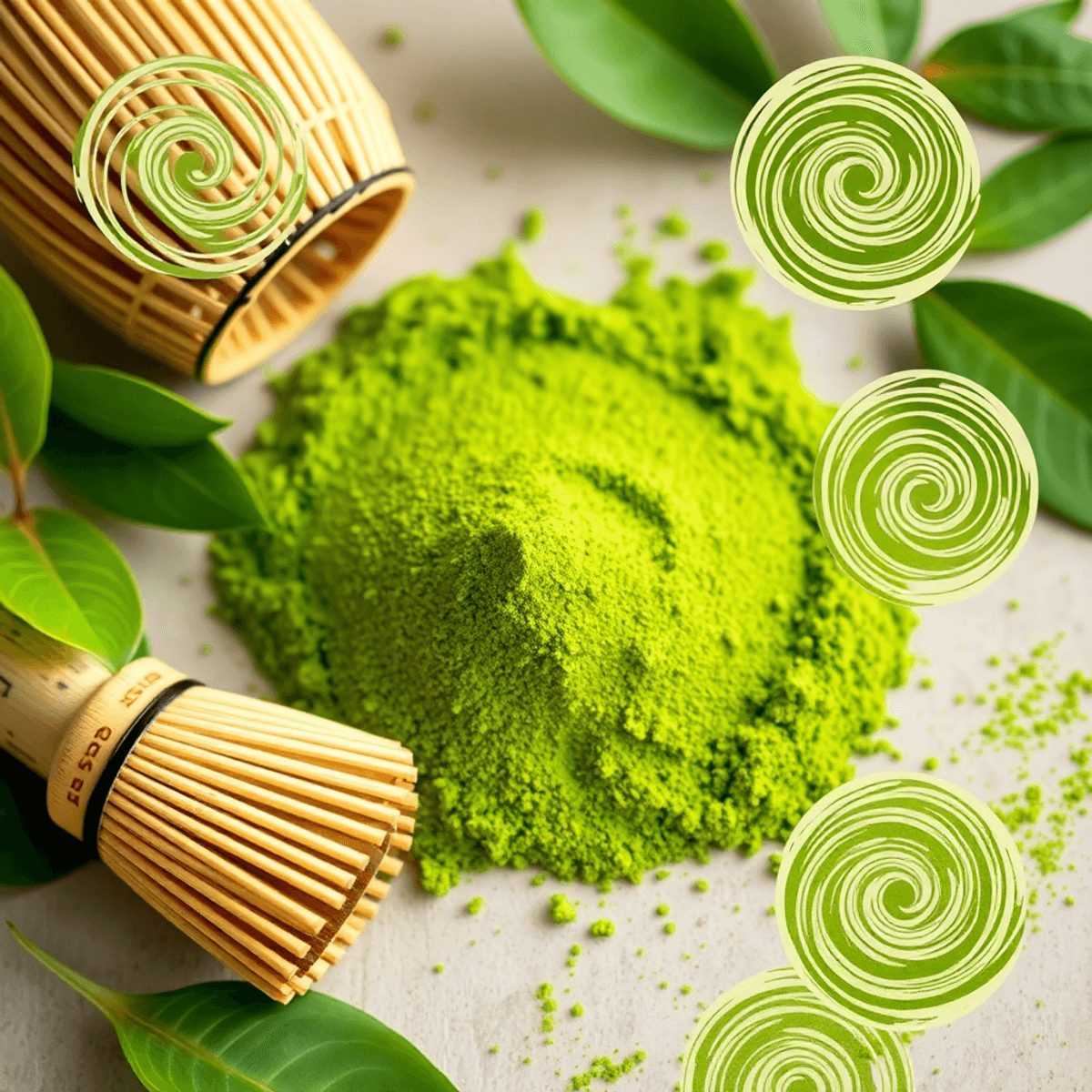
Many people say that matcha tastes just “grassy,” but that does not tell the full story. This word leaves out why good matcha is so special. Good matcha brings together sweetness, umami, earthy flavor, and a touch of bitterness. All these tastes work well together in every cup.
Knowing what does matcha taste like means you need to see how these flavors are different but still connect with each other.
Sweetness: A soft, natural sweet taste that many feel when they try matcha for the first time.
Umami: A deep, rich, savory taste that is found in the best green teas.
Earthy and Grassy: A base smell like fresh-cut grass that comes from leaves grown in the shade.
Bitterness: A light sharp taste that adds to the other flavors without taking over.
Understanding the range of flavors in matcha changes the way you think about it. It is not just green tea. It is something you can use with drinks and sweets in many ways. Matcha’s natural sweetness goes well with a red bean roll cake or you can use it to make a tasty pistachio cream tart.
This knowledge helps you try matcha in many ways. You can enjoy the pure kind, or use it in things like a matcha latte.
You can read about how matcha may be good for men in this article on matcha benefits for men.
Go deeper into each flavor layer to find what really makes up matcha taste. Learn how this changes the way your favorite drinks and sweet treats taste.
Understanding Matcha's Complex Flavor Profile
Matcha flavor has a unique taste that goes beyond just being called "grassy." There are many layers to how it tastes. These layers come from how it is grown and how it is handled. This process gives matcha both earthy and grassy flavors that stand out.
Earthy and Grassy: The Foundation of Matcha's Signature Taste
1. Origins linked to shade-growing
The plants used for matcha are kept in the shade for several weeks before they are picked. This helps slow down the making of food in the leaves from sunlight. The leaves then have more green color from more chlorophyll and more amino acids. This process gives the leaves a bright green look. It also fills them with lots of things that make matcha taste earthy and good.
2. High chlorophyll content
Chlorophyll is what makes premium matcha look bright green. You can also smell the fresh-cut grass scent because of it. This color gives matcha a lively grassy taste that does not feel dull. A fresh grassy smell shows that the matcha leaves were grown well and are kept fresh.
3. Leaf processing preserving vegetal characteristics
After picking, tea leaves that go to make matcha have very little change from air. They get steamed for a short time to stop any work from the leaf's own enzymes. After steaming, they get dried and crushed into powder using a stone. This way of handling the leaves keeps their fresh plant taste. The tea keeps its earthy and grassy flavor, without turning too bitter or old.
The earthy taste of matcha mixes with grassy notes to make a natural and lively flavor. You can see these tastes at the bottom of a matcha flavor chart. They help hold up other tastes like umami and sweetness. When you learn about these basic parts, you start to see why good matcha stands out. It offers more than other green teas or powder mixes that do not use good processing or shading.
2. Umami: The Deep Savory Note That Defines Matcha's Uniqueness
Umami stands out as an important part in the matcha flavor profile.
It is not like sweetness or bitterness. Umami gives a rich taste that makes the drink feel full and more complete. People say it tastes like something brothy, full, or filling in the mouth. This is what helps matcha feel richer. It is more than just grassy or plant-like notes.
The umami in matcha comes from the amino acids in the tea. One amino acid, L-theanine and https://greenmatchaclub.blogspot.com/2026/07/l-theanine-benefits-why-matcha-beats.html, is really important. When tea leaves grow in the shade, L-theanine goes up because photosynthesis goes down. This makes the plant make more of these smart compounds and less sugar or tannin. That gives matcha its rich, savory taste which people look for in better tea.
Key points about umami in matcha:
Different from sweet or bitter: Umami brings a complex taste without being sweet or strong, balancing the range of flavors.
L-theanine amount: Tea plants grown in shade have more of this amino acid, making the tea taste more savory.
Savory richness: Umami gives a full taste that stays nicely on your tongue.
Sign of quality: Ceremonial-grade matcha stands out with strong umami. This sets it apart from other green teas or cooking-grade matcha, where umami may be less noticeable or may be covered up by a sharp taste.
Understanding how umami mixes with earthy, sweet, and bitter flavors shows why matcha tastes rich and not just simple. The savory umami helps to balance grassy notes from chlorophyll. It also goes well with the soft natural sweetness found in good matcha. Bitterness gives a little edge that makes the flavors feel sharper, but it does not take over the taste.
This mix makes a nice flavor chart that is special for matcha:
Earthy & Grassy: The fresh feel comes from leaves rich in chlorophyll.
Umami: A deep taste from amino acids like L-theanine.
Sweetness: A light, natural sugar flavor that grows stronger with shade.
Bitterness: A small sharp note adds contrast and balance.
The strength and feel of these flavors change depending on the matcha grade and how it is made. Ceremonial-grade powders give a smooth umami taste with very little bitterness. This kind is good to drink as it is or with very few extra things added. Culinary-grade powders taste more bitter and have less of the gentle umami, but they can be mixed into recipes because their flavor stays strong with other ingredients. For example, they work well in a matcha marble loaf.
.
Knowing how umami works helps you see the difference between real top-notch matcha and blends or low-quality kinds that don't have this important part. It also helps you choose what goes well with matcha when you make drinks and sweets that show every part of the matcha taste.
Here's the provided text, skill without SAT, ensuring it's freea:
The effects L-the does not stopgoes beyond; it playsa the performanceaIt has a unique naturea wenta—It often helpsa uniqueava.
Learning about umami helps you see that matcha is more than just earthy or grassy. You get to know what makes the taste of matcha so special. There is more to the flavor, and this can give you a whole new way to enjoy it.
3. Natural Sweetness: Inherent Sweetness Without Added Sugar
Matcha has a special taste. It comes from four main flavors: earthy, umami, sweet, and bitter. These mix together to make a drink that is not like other teas. The sweet part in matcha is light but it plays a big part in the way it all comes together.
How Shade-Growing Techniques Enhance Matcha's Sweetness
The way matcha is grown is important for its sweet taste. Farmers use a way called shade-growing. They cover the tea plants with something to block sunlight for a few weeks right before picking the leaves. When this happens, the leaves get to make more amino acids. This includes L-theanine.
Umami Boost: L-theanine can make the umami taste stronger. It also brings a little bit of sweetness.
Flavor Softening: This natural sweetness helps to make the whole flavor feel softer. You do not have to add sugar or any sweetener for this.
The Contrast with Lower-Grade Matcha Blends
Sadly, a lot of lower-quality matcha blends or matcha products from stores add sugar or fake sweeteners to cover up strong or bitter tastes. These added sugars or sweeteners can hide bad flavors for a short time. But they also take away from what real matcha should taste like.
Diluted Taste: The real taste notes of matcha get watered down and covered up.
Lost Harmony: The soft mix of earthy, grassy, umami, and bitter tastes is broken.
Ceremonial-Grade Matcha: A Showcase of Natural Sweetness
Unlike these lower-grade blends, ceremonial-grade matcha is a good example of how the natural sweetness can stand out when it is made the right way:
Sweet Notes: The sweet taste in green tea stands out with umami and a light bitterness.
Quality Matters: How strong or clear these flavors are depends on its quality. Top-grade teas have good balance, and the sweet part works well, not fighting the other tastes.
Pure Enjoyment: Drinking ceremonial-grade matcha and not adding sugar lets you taste its many layers—earthy and green plant tones, fresh grass feel, and a touch of gentle sweetness.
This natural sweetness makes the drink feel smoother. It helps reduce the strong taste of bitterness. It also works with the rich umami flavor. You can feel how the earthy taste of matcha mixes with grassy hints. This blend gives you a cup that feels full and balanced.
Understanding Why Quality Matters
When you know about these small details, you understand why the quality and grade matter so much. The taste can change a lot in strength and feel because of this.
Culinary-grade matcha is often more bitter, with a green flavor. It usually needs sweeteners to taste good to most people.
Ceremonial-grade matcha gets its slight sweetness from natural amino acids. It has a clean taste that people who like pure matcha enjoy.
The way these taste notes work together shows us how chlorophyll adds both an earthy feel and a grassy feel. At the same time, amino acids bring out umami and a soft sweetness. Each part is important to get the full taste when you look at any flavor chart.
4. Bitterness in Matcha: When It Enhances vs. When It Detracts
Bitterness is an important part of the matcha flavor profile. It is one of the four main taste notes in matcha, along with earthy, umami, and sweet. These come together to make matcha what it is. When you know how bitterness works with the other tastes, you see why it can make your drink better or not as good.
Mild Bitterness as a Balancing Note
A light bitterness in matcha is not a flaw. It is a key part that helps bring balance. This mild bitterness:
Highlights the natural sweetness by contrast. This makes the sweet parts feel stronger and stand out more.
Helps the umami flavors by adding more layers without taking over.
Works well with the earthy and grassy tastes from chlorophyll, bringing out that fresh, green feel while keeping it sharp and clear.
This careful mix is the main part of a good matcha taste experience. The strong taste is smooth and fits in well, giving more depth to the flavor instead of making it feel too harsh.
Desirable Bitterness vs. Off-Putting Harshness
Not all bitterness in matcha is the same. The quality and grade of matcha both play a big part in how the taste shows up.
Culinary-grade matcha often has a stronger but still good taste of bitterness that works well with bold flavors in cooking and baking. This bitterness shows how strong matcha can be, but it still tastes good when mixed with other ingredients.
Ceremonial-grade matcha, known for its high quality, usually has a very mild taste of bitterness. This light bitterness helps support the sweetness and umami without standing out.
Poor-quality or over-processed matcha can have a harsh or bad taste. This is because of:
Too much oxidation or the wrong way of handling leaves during processing.
Use of older leaves or stems can make the tannin level higher than what people like.
Not enough shading while growing the plants can cause the amino acids to not grow in a good way.
This strong taste can cover up other flavors, so the drink may not taste rich or full. It may feel sharp and simple, and you don't get to enjoy what real matcha has to offer.
Interaction of Bitterness with Sweetness and Umami
Bitterness is not on its own. It works with the other main flavors.
The slight bitter taste can help bring out the sweet feel, for there is a clear difference between the two.
It makes the deep rich taste of umami feel stronger because, when you feel the bitter touch in your mouth, it turns into a lasting rich feel.
With earthy and grassy notes, these parts also work well together and help show what good matcha should taste like.
You can see how these tastes work together when you use a matcha flavor profile chart. It shows the bittersweet, umami, and earthy notes. This helps you know how each one adds to the others.
Knowing if the bitterness in matcha fits in well or takes over will help you pick which matcha to use. This is true if you want a smooth drink or a stronger one to add in your cooking. It lets you enjoy it the way you like best. You can use this idea of balancing flavors not just in matcha but in a lot of other foods, too. This is talked about in detail in this source.
Matcha Flavor Pairings: What Goes Well With This Unique Taste?
Knowing the best matcha flavor pairings lets you get more out of matcha in drinks and desserts. The mix of umami, sweetness, earthiness, and bitterness means matcha works well with many flavors. These flavors can go together with matcha or stand out against it.
Complementary Flavors That Enhance Matcha
1. Chocolate
Chocolate is a classic partner for matcha.
White chocolate makes matcha less grassy and bitter. It gives it a soft, sweet taste that is good in lattes and desserts.
Dark chocolate gives matcha a more rich and full taste. It helps balance the green tea notes and brings out the umami flavor.
Milk chocolate tastes sweet and smooth with matcha. It works well in drinks like matcha mochas or frappes.
2. Citrus Fruits
Bright citrus fruits cut through the deep taste of matcha and take away its bitter flavor.
Lemon, orange, and yuzu add sharpness. This lifts the taste and makes a nice mix in drinks or baked goods.
Citrus zest makes the smell better. It adds a rich taste, but it does not cover the gentle sweetness of matcha.
3. Vanilla
Vanilla gives a sweet, smooth taste that helps calm down the strong flavor of matcha. It goes well in lattes, custards, and ice creams. When you use vanilla, it makes the food feel richer and cuts down on any sharp taste.
Creating Balanced Flavor Profiles by Matcha Grade
Choosing what to pair with matcha depends on if you are using ceremonial-grade or regular matcha. Each has its own taste. This means you need a different way to match other things with it.
1. Ceremonial-Grade Matcha Pairings
This is a high-quality powder. It has a fine sweet taste and a gentle umami feel. The best way to enjoy its taste is to keep it simple. You can also try it with light side dishes such as:
Light honey or agave syrup can make it more sweet in a natural way. It brings up the taste but does not cover up the other soft flavors.
Mild flowers like lavender or rose give a nice smell and feel.
Fresh berries give a bit of sourness that goes well with the smooth feel of ceremonial-grade matcha.
2. Culinary-Grade Matcha Pairings
Stronger and a little bitter with an earth taste, culinary-grade matcha can handle bolder flavors:
Rich dark chocolate or cocoa brings out earthy notes and gives a sweet balance.
Spices like ginger, cinnamon, or cardamom bring warm flavors that go well with the strong taste.
Nuts such as almonds or pistachios add crunch and a nutty taste for baked goods or savory dishes.
If you like to use matcha when you bake, you should check out the best double matcha for baking. It can give you many new ideas for what you can make in the kitchen.
Additional Matcha Flavor Pairings Worth Exploring
Fruity Pairings: You can add strawberries, mangoes, or raspberries. Each of these brings sweet or tangy notes that make your dishes come alive.
Natural Sweeteners: Use honey and maple syrup for a sweet or deep taste that lets the main flavor stand out.
Savory Accents: Black sesame or tahini bring a rich taste, which works well for unique dessert ideas.
Herbs & Light Flavors: Try mint for a fresh kick that also makes your dish feel special.
Trying these mixes will help you find out which flavors go best with your taste when you have matcha drinks or desserts.
What Does Matcha Taste Like at Starbucks? A Commercial Perspective
Starbucks matcha taste is not the same as the strong flavor of pure matcha. The matcha latte you get there is made to feel good to more people. It is more sweet and has a creamy taste. This makes the green tea feel more mild when you drink it. There is vanilla syrup in Starbucks’ matcha drinks. This syrup makes the drink sweet and covers up the strong and less sweet taste you often find in high-quality matcha.
Key characteristics of Starbucks matcha latte flavor:
Sweetness: You get a strong and clear sweet taste because of the vanilla syrup and sweetened milk or plant milk.
Creaminess: Milk or plant-based milk gives a rich feel in your mouth that makes the green tea powder taste less strong.
Vanilla Notes: There is a warm scent and taste from vanilla that hides the grassy and umami taste of matcha.
Mild Bitterness: You will feel a bit of the bitter taste, but it is much less than what you get in ceremonial-grade matcha. This makes it easier for people who are new to matcha.
Looking at how commercial blends like Starbucks’ matcha compare to the highest quality matcha shows big differences:
Aspect | Starbucks Matcha Latte | Ceremonial-Grade Matcha |
Flavor Purity | Lower; contains sweeteners and flavorings | High; pure green tea with no additives |
Umami Presence | Muted due to sweetness | Pronounced and defining |
Bitterness | Minimized | Mild but integral |
Sweetness | Added sugar dominates | Natural, subtle from amino acids |
Texture | Creamy and smooth | Fine powder with slightly brisk mouthfeel |
The way companies make and sell matcha is all about having the same taste every time and making sure many people enjoy it. Because of this, when people talk about what does matcha taste like Starbucks style, they often say it tastes more like a sweet treat and not like the regular tea.
Starbucks does not only have the classic matcha latte. The place also offers other matcha drink choices.
Iced Matcha Lemonade: This drink mixes tart lemon with sweetened matcha. It makes the drink feel bright, but it also changes the natural taste even more.
Matcha Frappuccino: Here, matcha gets blended with ice cream or other dairy kinds, plus syrups. It turns into a sweet and rich treat.
Matcha with other milks: There are kinds like oat or almond milk that can change how the drink feels in your mouth. They also make it taste sweeter. For example, an Oatly matcha latte design gives the old recipe a new feel.
These different choices let people enjoy matcha in many ways. But, they often cover up matcha’s real taste because they add too many sweet or rich flavors.
Understanding these differences helps you see why many people enjoy the clean taste of the highest-grade matcha. You also learn why drinks you get at places like Starbucks have made a spot for themselves in today's culture. At the same time, you should know that matcha can be added to many foods, like a spinach cheese bake, or even this kale power smoothie.
Conclusion
When you notice all four main flavors—umami, sweet, earthy, and bitter—you will see that matcha can be much more than just a drink. It opens up a new way to taste it. Knowing the Matcha Flavor Profile & Pairings helps you enjoy this tea in many ways.
Experiment with different grades: Ceremonial-grade matcha gives you light sweetness and rich umami. It is best when you drink it by itself or add very little to it. Culinary-grade matcha has a stronger, bitter taste. It is good for baking or mixing with big flavors.
Explore pairings: Mix matcha with citrus, chocolate, vanilla, or nuts to find balanced tastes. You can also try it with flower or fruit flavors to bring out new tastes.
Trust your taste: Your own likes will help you find the right balance between sweet, savory, earthy, and mild bitter notes in matcha.
Embrace versatility: Matcha is great in classic teas or in new sweets and drinks. How you use it shows off each part of its taste.
You have the key to get the best out of matcha when you look into its many layers with care. Try many kinds, enjoy each one, and see how good, rich, and rewarding it can feel to know all the ways to like matcha.
FAQs (Frequently Asked Questions)
What does matcha taste like beyond just 'grassy'?
Matcha has more than one flavor. You get sweet, umami, earthy, and bitter notes in it. The taste is not just 'grassy' like some people say. This makes people enjoy matcha even more when they have it in drinks and desserts.
What are the foundational flavors of matcha?
The base of matcha’s taste is the strong earthy and grassy flavor. These come from the way people grow the plants in the shade. This raises the chlorophyll in the leaves. That is what gives matcha that fresh-cut grass smell and taste. Careful processing also keeps this fresh taste in the leaves.
How does umami contribute to matcha's unique flavor?
Umami gives matcha its rich, tasty flavor that is different from other green teas. This taste comes from amino acids such as L-theanine. The way matcha is grown in shade helps make these amino acids stronger. This is what makes good matcha stand out from other drinks.
Is the sweetness in matcha natural or added?
The natural sweetness in matcha is because of more amino acids that the leaves get from growing in the shade. This gives matcha a mild sweet taste, but there is no need for extra sugar. Lower-grade matcha or blends are not the same. They often add sweeteners to get that taste.
How do bitterness levels affect the taste of matcha?
Mild bitter taste in matcha helps balance other flavors, so you get a better taste without one being too strong. A good kind of bitter taste is in high-quality matcha used for cooking and drinks. But if it tastes too harsh or bitter, that shows it is not good or has been made the wrong way.
How do different grades of matcha influence its flavor profile?
Quality and grade, like when you choose between ceremonial or cooking kinds, make a big difference in how strong the taste will be. Better grades often have more of that deep umami and feel sweeter and it comes with just the right amount of bitter. This mix can make the taste stand out more than the rest.


Comments
Post a Comment