Cold Whisk Matcha: Frothy Iced Matcha in Minutes
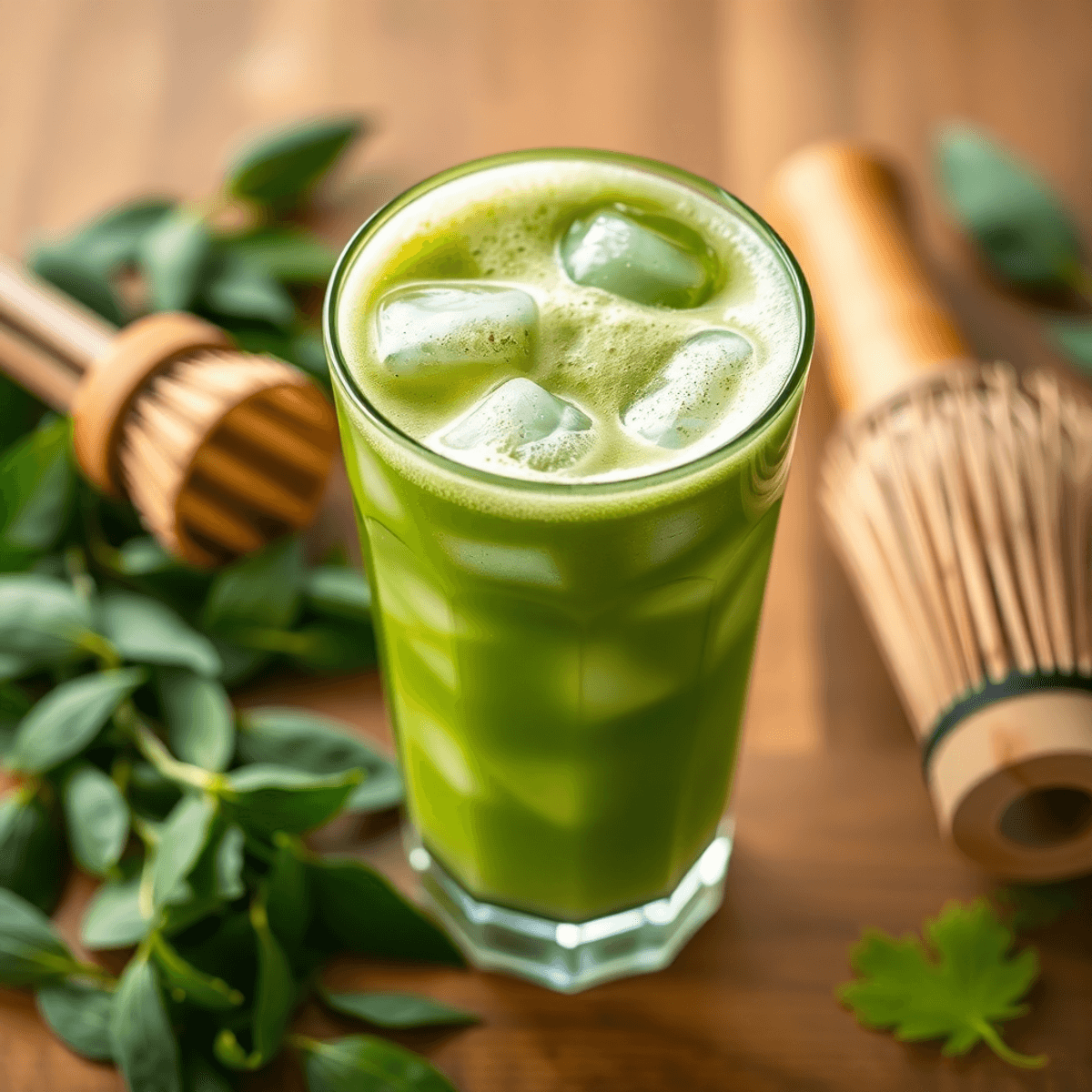
Cold whisk matcha offers a refreshing and quick way to prepare iced matcha that fits perfectly into busy lifestyles and warm weather routines. This method skips the traditional hot water step, mixing matcha powder directly with cold or room-temperature water to achieve a smooth, frothy iced matcha in just minutes.
You’ll find this technique gaining popularity as an ideal solution for hot days when you want a cool, energizing drink without the wait. The result is more than just chill—it’s a beverage that highlights enhanced sweetness thanks to better retention of L-theanine, alongside preserved nutrients like vitamin C that heat can degrade. It's important to note that using the right water temperature is crucial in preserving matcha's flavor and nutrients, as detailed in our article on the best water temperature to use.
Expect a delightful frothy texture that elevates your matcha experience whether you’re sipping it straight, blending it into smoothies, or using it as a vibrant ingredient in cocktails. Cold whisk matcha transforms traditional preparation into something both practical and delicious, perfect for those seeking an easy-to-make, nutrient-rich iced drink with visual appeal and complex flavor.
If you're looking to elevate your cold whisk matcha experience, consider experimenting with flavors like in our Peppermint Matcha Mocha recipe which adds a festive twist to your usual routine.
For those interested in the rich history and traditions behind matcha tea, our article on Matcha Tea Origins: History and Tradition provides an insightful read.
And if you're curious about the geographical roots of this beloved beverage, we delve into its origins in Kyoto in our post about Where is Dmatcha Kyoto Located and What.
What is Cold Whisk Matcha?
Cold whisk matcha is a preparation method where green matcha powder is mixed vigorously with cold or room temperature water instead of hot water. This technique brings out a distinct set of flavors and textures compared to traditional hot matcha.
What is a Matcha Cold Whisk?
It refers to both the process and the tool used to create a smooth, frothy iced matcha drink quickly. Unlike the classic approach that uses hot water to dissolve matcha, cold whisking uses cooler liquids which affects the way flavor compounds are released.
Differences from Traditional Hot Preparation
- Temperature: Hot matcha preparation uses water near boiling (around 80-85°C), while cold whisking relies on water at room temperature or chilled.
- Extraction: Hot water extracts more caffeine and catechins but can also increase bitterness. Cold water preserves delicate amino acids like L-theanine, enhancing sweetness and umami.
- Texture: Hot whisking produces a creamy foam; cold whisking yields a lighter, airy froth that sits atop iced beverages.
Typical Ingredients in Cold Whisk Matcha
- Matcha Powder: High-quality culinary or ceremonial grade powder works best here. Sifting the powder ensures no clumps form.
- Water: Filtered cold or room temperature water around 60 ml per serving.
- Optional Sweeteners: Simple syrups or natural sweeteners can be added before whisking for an even mix.
- Ice: Added after whisking to keep the drink refreshingly cool.
Basic Process of Cold Whisk Matcha
- Measure about 2 grams of sifted green matcha powder into a bowl or shaker.
- Add approximately 60 ml of cold or room temperature filtered water.
- Use a bamboo chasen, handheld milk frother, or small kitchen whisk to vigorously mix for 15 to 30 seconds until bright green and frothy.
- Pour over ice cubes in your favorite glass.
- Adjust strength by diluting with additional cold water or milk if desired.
This simple recipe matcha cold whisk method creates a refreshing iced beverage with vibrant color, smooth texture, and naturally sweet notes without any bitterness typically associated with hot brewed tea.
Difference Between Cold and Hot Whisking Matcha
Understanding the difference between cold and hot whisking matcha involves examining how temperature affects the extraction of key flavor compounds and nutrients, as well as the resulting taste profile.
Extraction of Flavor Compounds
- L-theanine: This amino acid is responsible for matcha's characteristic sweetness and umami. Cold temperature extraction preserves more L-theanine because it is sensitive to heat. Using a traditional matcha whisk with cold or room-temperature water retains higher levels of L-theanine, giving cold whisked matcha a naturally sweeter and smoother flavor.
- Catechins: These antioxidants contribute bitterness and astringency. Hot temperature extraction releases more catechins, which can intensify bitterness in hot whisked matcha. Cold whisking extracts fewer catechins, resulting in a less bitter and more balanced cup.
- Caffeine: Both hot and cold whisking extract caffeine, but hot water tends to draw out slightly more caffeine due to increased solubility at higher temperatures. Cold whisked matcha still contains a moderate amount of caffeine (around 60-70 mg per serving), providing gentle stimulation without harshness.
Impact on Taste Profile
- Cold whisking yields a bright, sweet, and mellow flavor profile. The reduced bitterness from catechins combined with enhanced umami from L-theanine creates a smooth drinking experience that is especially refreshing when served over ice.
- Hot whisking produces a fuller-bodied, robust taste with noticeable bitter notes. The heat intensifies catechin extraction, which can overshadow sweetness if not balanced correctly.
Nutrient Preservation
Heat-sensitive nutrients like vitamin C degrade quickly at high temperatures. Cold temperature preparation:
- Preserves more vitamin C and other delicate antioxidants.
- Maintains the vibrant green color longer.
- Results in a nutrient-rich beverage that maximizes health benefits.
Hot water preparation risks reducing these nutrients but can increase bioavailability of some compounds through heat activation.
Cold whisking matcha optimizes sweetness, minimizes bitterness, and preserves vital nutrients by leveraging lower temperatures during extraction. This fundamental difference shapes not only the flavor but also the nutritional profile of your iced matcha drink. It's worth noting that there's also a significant difference between matcha and other types of green tea, which further enhances its unique properties and benefits.
Benefits of Using a Cold Whisk for Matcha
Using a cold whisk to prepare matcha brings several notable benefits that enhance your drinking experience and maximize the qualities of this treasured green tea powder. These advantages make cold whisk matcha an appealing option, especially when compared to traditional hot preparation methods.
1. Faster Preparation Time
Cold whisking cuts down the preparation time significantly. You can achieve a bright green, frothy matcha in about 15-30 seconds. This rapid process suits busy mornings or warm afternoons when you want a refreshing drink without waiting for water to heat or cool.
2. Enhanced Umami and Sweetness
The key to the smooth taste of cold whisked matcha lies in L-theanine retention. Cold water preserves this amino acid better than hot water, which means you get an enhanced umami flavor and natural sweetness. The result is a mellow, satisfying taste with less bitterness.
3. Reduced Bitterness
Catechins and caffeine contribute to the bitter notes in matcha, especially when prepared with hot water. Cold whisking extracts these compounds more gently, leading to a smoother cup with diminished sharpness. This makes it ideal if you prefer subtle flavors without sacrificing complexity.
4. Preservation of Heat-Sensitive Nutrients
Vitamin C and other antioxidants in matcha are sensitive to heat and degrade quickly with hot water preparation. Cold whisking helps preserve these nutrients so that your iced matcha retains more of its health benefits like antioxidant activity and immune support properties.
5. Ideal for Warm Climates and Seasons
Cold whisking aligns perfectly with warmer weather or climates where hot drinks may feel less inviting. Serving matcha chilled over ice offers a cooling alternative that is both revitalizing and energizing.
Benefits of cold whisking extend beyond convenience. The technique emphasizes purity and balance, delivering a smooth taste profile with optimal nutrient preservation. Whether you want a quick morning boost or an afternoon refresher, using a cold whisk unlocks new dimensions in your matcha experience.
Best Tools for Cold Whisking Matcha
Choosing the right tool for cold whisking matcha impacts the texture, flavor extraction, and overall experience. The main options include the traditional bamboo chasen, handheld milk frothers, and other modern cold whisks designed specifically to simplify or speed up the process.
Bamboo Chasen (Traditional Bamboo Whisk)
The bamboo chasen is a traditional Japanese whisk made from bamboo. It has been used for centuries in tea ceremonies to prepare matcha.
Pros
- Creates a fine, uniform froth with delicate bubbles that enhance the creamy mouthfeel.
- Offers an authentic tea-making experience connecting you with centuries-old Japanese tea culture.
- Lightweight, natural material feels good in hand and is eco-friendly.
Cons
- Requires some practice to master whisking technique for best froth production.
- Bamboo can be fragile and needs proper care to avoid cracking or mold.
- Takes slightly longer (15-30 seconds) of vigorous whisking compared to electric tools.
Handheld Milk Frother
A handheld milk frother is a small electric device used to froth milk quickly. It can also be used for whisking matcha.
Pros
- Fast and effortless frothing, usually ready in under 15 seconds.
- Consistent froth quality regardless of user skill level.
- Easy to clean and store; battery-powered models offer portability.
Cons
- Produces larger bubbles compared to a bamboo chasen, impacting smoothness.
- Noise level is higher during operation.
- Less traditional feel; may sacrifice ritualistic aspect of matcha preparation.
Modern Cold Whisks and Alternatives
Includes small kitchen whisks or specialized electric cold whisks designed for mixing beverages at low temperatures.
Pros
- Some models have ergonomic designs tailored specifically for cold liquids.
- Versatile for other kitchen uses beyond matcha preparation.
Cons
- Manual whisks require more effort and may not create sufficient froth quickly.
- Not all are optimized for the fine powders used in matcha, risking clumping.
Selecting Your Tool
Consider how much time you want to spend preparing your iced matcha and what kind of texture you prefer. If you value tradition and fine froth with a ceremonial touch, the bamboo chasen remains unmatched. For convenience and speed without sacrificing too much quality, a handheld milk frother offers a practical solution. Modern alternatives fill niches between these extremes but may lack specialized performance.
Whichever tool you choose, using sifted premium matcha powder combined with cold filtered water will maximize your results in both flavor and appearance. If you're looking for high-quality matcha to use with your chosen whisking tool, you might want to explore some of the best matcha cafes near you where you can find premium matcha powder.
Step-by-Step Guide: How to Make Iced Matcha with a Cold Whisk
Mastering the recipe matcha cold whisk technique is straightforward and yields a vibrant, frothy iced matcha in minutes. This step-by-step guide will walk you through the process using high-quality ingredients and simple tools.
Ingredients & Tools Needed
- 2 grams of sifted premium culinary or ceremonial grade matcha powder
- 60 ml of cold filtered water (around room temperature or chilled)
- A bamboo chasen or alternative whisk (milk frother, small kitchen whisk)
- Fine mesh sifter
- Glass or bowl for whisking
- Ice cubes for serving
Step 1: Prepare Your Matcha Powder
Begin by sifting about 2 grams of your chosen matcha powder through a fine mesh sifter. This step breaks up clumps and ensures smooth dissolution when whisked into cold water. Using sifted ceremonial grade matcha enhances the texture and flavor clarity of your beverage.
Step 2: Add Cold Filtered Water
Pour 60 ml of cold filtered water into your glass or bowl. The water temperature should be cold but not icy, ideally between 10°C to 15°C (50°F to 59°F). Using filtered water reduces impurities that might alter taste or inhibit froth formation.
Step 3: Whisk Vigorously
Using your bamboo chasen or preferred whisk, vigorously whisk the matcha powder and water together. Aim for a brisk back-and-forth motion rather than circular stirring. Whisk continuously for about 15 to 30 seconds until the mixture turns bright green and develops a fine, uniform froth on the surface.
Tip: If using an electric milk frother, blend until frothy but avoid over-mixing which can create larger bubbles and reduce smoothness.
Step 4: Serve Over Ice
Fill a serving glass with ice cubes to chill your drink. Pour the freshly whisked matcha mixture over the ice, allowing it to cascade gently for a layered effect. This presentation keeps the vibrant color intact while cooling your drink further.
Optional Adjustments
- For a lighter flavor, dilute with additional cold filtered water or milk (dairy or plant-based) after pouring over ice.
- Sweeten your iced matcha by dissolving honey, agave syrup, or simple syrup into the cold water before whisking.
- Adding a splash of citrus juice like lemon can brighten flavors but may reduce froth stability.
Serving Suggestions
Enjoy your iced matcha immediately for optimal taste and texture. The bright green color and creamy froth indicate freshness. This refreshing beverage pairs well with light snacks such as rice crackers or fresh fruit.
This Step-by-Step Guide: Cold Whisking Matcha at Home guarantees you’ll have an invigorating cup each time with minimal effort. The key lies in quality ingredients, proper sifting, and consistent vigorous whisking — all combining to unlock the sweet umami flavor unique to cold-brewed matcha.
Choosing the Right Matcha Powder for Cold Preparation
Selecting a high quality matcha powder is crucial when preparing iced matcha using the cold whisk method. The flavor, texture, and frothiness of your drink hinge on the type and fineness of the powder you use.
Ceremonial Grade vs Culinary Grade Matcha
- Ceremonial grade matcha is made from the youngest tea leaves and has a vibrant green color with a naturally sweet, umami-rich flavor. It dissolves smoothly, producing a fine froth that enhances the drinking experience. This type is ideal for cold whisk matcha if you prioritize taste and texture.
- Culinary grade matcha tends to be more robust and slightly more bitter, as it’s designed for cooking or blending into recipes. Some high-quality culinary powders dissolve well in cold water, making them suitable for cold whisking if budget constraints exist.
Importance of Powder Fineness
Cold water does not dissolve matcha powder as readily as hot water. A finely ground powder prevents clumping and ensures smooth mixing:
- Finer particles disperse quickly in cold liquid, helping to create the characteristic bright green color and uniform froth.
- Coarser powders can settle or produce a gritty texture, detracting from both mouthfeel and appearance.
Tips for Choosing High Quality Matcha Powder for Cold Whisk
- Look for powders labeled specifically as ceremonial grade or premium culinary grades with fine texture.
- Check reviews or supplier notes about how well the powder dissolves in cold water.
- Avoid powders with dull green or yellowish hues; fresh, high quality matcha has an intense emerald color.
- Purchase from reputable brands known for consistent quality to ensure optimal flavor and nutrient content.
Investing in good matcha powder pays off in every sip: smoother texture, enhanced sweetness due to higher L-theanine retention, and better froth formation during your cold whisk preparation. Quality powder lays the foundation for an exceptional iced matcha experience.
Tips for Achieving Frothy Iced Matcha with a Cold Whisk
Creating cold foam with a smooth, frothy texture is essential to enjoying iced matcha at its best. Here are practical tips to help you achieve that perfect froth using your cold whisk.
1. Sift Your Matcha Powder First
Matcha powder tends to clump, especially when mixed with cold water. Sifting the powder before whisking breaks up these clumps and ensures a uniform blend. Use a fine mesh sieve to sift about 2 grams of matcha into your bowl or cup. This step makes whisking easier and results in a smoother texture.
2. Use the Right Water-to-Powder Ratio
The ideal ratio for cold whisking is approximately 60 ml of cold, filtered water for every 2 grams of matcha powder. Too much water can dilute the flavor and reduce frothiness, while too little water may create a paste that’s hard to whisk evenly. Sticking to this balance helps maintain bright color and full-bodied taste with optimal foam.
3. Whisk Vigorously and Consistently
Whisking action directly impacts bubble size and texture in your iced matcha. Whether using a traditional bamboo chasen or a handheld milk frother, aim for rapid, back-and-forth motions rather than circular stirring. Vigorous whisking for 15-30 seconds introduces air uniformly, creating fine bubbles that form that signature cold foam surface.
Bamboo chasen tip: Hold the whisk upright and use your wrist to flick rapidly in an “M” or “W” pattern rather than slow circles. This technique produces smaller, consistent bubbles and richer umami flavor.
Milk frother tip: Submerge the frother just below the liquid surface to avoid excessive splashing but ensure it aerates well.
4. Avoid Letting the Matcha Sit Before Serving
Cold foam starts to dissipate if left standing too long, leading to flat texture and dull color due to oxidation. Prepare your iced matcha close to serving time and pour it immediately over ice for best appearance and mouthfeel.
5. Experiment with Water Temperature Slightly Below Room Temperature
If you find cold water too resistant to dissolving powder fully, try slightly chilled water around 15–20°C (59–68°F). This temperature still preserves delicate nutrients better than hot water while improving solubility for smoother mixability and more stable foam.
Mastering these techniques will elevate your cold whisked matcha experience by delivering vibrant green color, balanced sweetness, and that desirable creamy layer of cold foam on top—making every sip refreshing and satisfying.
Common Mistakes When Cold Whisking Matcha (and How to Avoid Them)
Cold whisking matcha might seem straightforward, but several common mistakes can impact the quality of your iced matcha. Recognizing these pitfalls and knowing how to avoid them will help you achieve a consistently smooth, frothy drink.
Insufficient Whisking Time
- Problem: Whisking for too short a time results in poor froth formation and an uneven mixture. The matcha powder may remain clumped, leading to a gritty texture and dull flavor.
- Solution: Whisk vigorously for about 15 to 30 seconds until you see a bright green color with uniform froth on top. Using a bamboo chasen or milk frother helps create fine bubbles that enhance mouthfeel.
Incorrect Water-to-Powder Ratio
- Problem: Using too much water dilutes the flavor, making the matcha taste weak and watery. Too little water makes the drink overly concentrated, thick, and difficult to whisk properly.
- Solution: Stick to approximately 2 grams of sifted matcha powder with 60 ml of cold filtered water as a starting point. Adjust slightly based on personal preference but keep this ratio close for optimal flavor balance and whisking ease.
Letting the Drink Sit Too Long
- Problem: Once prepared, leaving cold whisked matcha sitting for extended periods causes oxidation. This results in color fading or turning brownish and flavor degradation—especially bitterness may increase.
- Solution: Consume your iced matcha within 15 to 30 minutes after preparation to enjoy its vibrant color, fresh aroma, and balanced taste. If you need to store it briefly, seal tightly in the fridge but avoid prolonged storage.
Not Sifting the Matcha Powder
- Problem: Skipping sifting leads to clumps that resist whisking and create uneven texture in your drink.
- Solution: Always sift your matcha powder through a fine mesh before whisking. This step ensures smooth dissolution and better froth development.
Using Water That Is Too Cold or Warm
- Problem: Extremely cold water (just out of the fridge) can hinder powder dissolution, while slightly warm water defeats the purpose of cold whisking by degrading heat-sensitive nutrients.
- Solution: Use cold filtered water at room temperature or just slightly chilled (around 15–20°C / 59–68°F). This temperature range balances easy mixing with nutrient preservation.
By avoiding these common mistakes when cold whisking matcha, you maintain its delicate flavor profile, nutritional benefits, and signature frothy texture every time you prepare this refreshing beverage. If you're looking for an example of a signature matcha drink that exemplifies these qualities, consider trying out the signature matcha drink at Matsu.
Comparing Traditional Bamboo Chasen vs Modern Cold Whisks
When deciding between a traditional bamboo chasen vs modern whisks for your matcha cold whisk, understanding their distinct characteristics helps you pick the right tool.
Traditional Bamboo Chasen
- Authentic aesthetic and ritual: The bamboo chasen carries centuries of Japanese tea culture. Its handcrafted design adds a ceremonial feel to your matcha preparation.
- Superior froth quality: The fine, flexible tines create uniform, dense bubbles that produce the ideal creamy and smooth frothy surface on iced matcha.
- Requires technique and care: Achieving perfect froth demands practice with wrist motion and whisking speed. The chasen needs gentle cleaning and careful drying to maintain its shape and longevity.
- Limited speed: Whisking takes about 20-30 seconds to reach optimal froth, which might feel slow if you're in a hurry.
Modern Cold Whisks (Battery-Powered Frothers & Small Kitchen Whisks)
- Time-saving convenience: Battery-powered handheld milk frothers can whip up frothy matcha in under 15 seconds with minimal effort. Small kitchen whisks also work but require more manual energy.
- Portability and ease of use: These tools are lightweight, easy to clean, and don’t require special maintenance like the bamboo chasen.
- Froth texture differences: Modern frothers tend to produce larger bubbles and less dense foam compared to a chasen. This can result in a lighter texture that some people prefer for iced drinks.
- Suitability for casual drinkers: If you want quick preparation without the traditional ceremony or fine bubble finesse, modern whisks deliver reliable results.
Which One Fits Your Needs?
Feature | Bamboo Chasen | Modern Cold Whisks |
Froth quality | Fine, creamy, uniform bubbles | Larger bubbles, lighter foam |
Preparation time | 20-30 seconds | Under 15 seconds |
User skill requirement | Moderate; requires technique | Minimal effort; user-friendly |
Maintenance | Delicate; needs careful drying | Easy cleaning; dishwasher safe options |
Aesthetic appeal | Traditional, elegant | Functional, modern |
Portability | Less portable | Highly portable |
Your choice depends on how much value you place on tradition versus convenience. The bamboo chasen enhances the sensory experience of matcha cold whisking through tactile engagement and superior froth, fitting those who appreciate ritual and subtlety. Modern handheld milk frother benefits shine when speed and simplicity dominate your preferences or lifestyle.
Experimenting with both tools can reveal personal preferences in texture and preparation style. Many matcha enthusiasts keep both at hand: the chasen for dedicated tea moments and battery-powered frothers for quick refreshment on busy days.
Recipes Featuring Cold-Whisked Matcha
Cold-whisked matcha lends itself well to a variety of refreshing and creative recipes. Its smooth texture and natural sweetness make it an ideal base for drinks that go beyond the traditional cup. Here are several ideas to try, showcasing the versatility of cold-whisked matcha beyond just iced tea.
Iced Matcha Latte Variations
- Classic Iced Matcha Latte: Whisk 2 grams of matcha powder with 60 ml cold water until frothy. Pour over a glass filled with ice cubes and top with 120 ml cold milk or plant-based alternatives such as oat, almond, or soy milk. Adjust sweetness with a teaspoon of honey or agave syrup if desired.
- Vanilla Matcha Latte: Add a splash of vanilla extract (about ½ teaspoon) during whisking. The warm vanilla notes complement the umami flavor of matcha, creating a rich yet refreshing latte.
- Cinnamon-Spiced Matcha Latte: Stir in a pinch of ground cinnamon before whisking for an earthy twist that pairs well with the natural sweetness of cold matcha.
Smoothies with Matcha Cold Whisk
- Green Power Smoothie: Blend cold-whisked matcha (prepared as above) with a banana, spinach leaves, Greek yogurt, and a handful of ice cubes. This smoothie packs antioxidants and protein for a balanced energy boost.
- Tropical Matcha Smoothie: Combine cold whisked matcha with frozen pineapple chunks, coconut water, and a squeeze of lime juice. The tropical fruits enhance freshness while balancing matcha’s grassy notes.
- Berry Matcha Smoothie: Blend cold whisked matcha with mixed berries (strawberries, blueberries), a spoonful of chia seeds, and almond milk. The tartness from berries contrasts nicely with the creamy texture.
Frappes Blended with Ice and Honey
Whisk matcha powder into cold water to create the base concentrate. In a blender, combine this concentrate with crushed ice, a tablespoon of honey or maple syrup, and milk or dairy-free alternative. Blend until smooth and frothy for an indulgent iced treat perfect on hot days.
Sparkling Matcha Drinks
For a sparkling version, prepare cold whisked matcha concentrate without sweeteners. Pour over ice in a tall glass and top off gently with chilled sparkling water or soda water. Add fresh mint leaves or thin cucumber slices for added aroma and visual appeal.
Tropical Juice Twists
Mix cold whisked matcha with equal parts freshly squeezed pineapple juice or passion fruit juice for vibrant flavor combinations that are both energizing and exotic. Serve over ice; garnish with citrus wedges or edible flowers for presentation.
Cocktail Base: Matcha Gin Fizz
Use cold whisked matcha as the foundation for creative cocktails like the Matcha Gin Fizz. Shake together:
- 30 ml gin
- 60 ml cold-whisked matcha
- 15 ml fresh lemon juice
- 10 ml simple syrup
Serve over ice topped with soda water. This cocktail balances botanical flavors from gin with the herbal earthiness of matcha—refreshing and sophisticated.
Cleaning and Maintaining Your Matcha Cold Whisk
Proper care of your cold whisk tools ensures consistent performance and extends their lifespan. Whether you use a traditional bamboo chasen or a modern battery-operated whisk, cleaning and maintenance are essential.
Cleaning Bamboo Chasen
- Rinse Immediately After Use: Rinse the bamboo chasen under lukewarm running water right after whisking to prevent matcha powder from drying on the tines. Avoid using soap, as it can be absorbed by the bamboo and affect flavor during future use.
- Use Gentle Handling: Gently separate the tines with your fingers to remove any trapped powder or residue. Be careful not to bend or break the delicate bamboo prongs.
- Dry Properly: Shake off excess water and place the chasen on a whisk holder (kusenaoshi) if available. This helps maintain its shape and allows it to dry evenly. If you don’t have a holder, stand it upright with tines facing up in a well-ventilated area.
- Avoid Prolonged Soaking: Do not soak the chasen for long periods because water can weaken the bamboo structure, causing faster wear or mold growth.
- Periodic Deep Cleaning: Occasionally, soak the chasen briefly (1–2 minutes) in warm water to dissolve accumulated tea oils, then rinse well.
Maintaining Modern Whisks
- Battery-Operated Milk Frothers: Detach any removable whisk heads after each use. Rinse them immediately under warm water to remove matcha particles before they dry.
- Avoid Submerging Motors: Never immerse the handle or motorized parts in water; wipe these areas with a damp cloth to remove splashes or powder residue.
- Use Mild Detergent If Needed: For stubborn residue, clean detachable parts with mild dish soap and a soft brush. Rinse thoroughly to prevent soap traces affecting taste.
- Dry Components Completely: Allow all parts to air dry fully before reassembling or storing to prevent rust or mold.
- Regular Inspection: Check for any frayed wires or loose parts that could impact function or safety when using electric whisks.
General Tips for All Cold Whisks
- Avoid Using Abrasive Tools: Scrubbing pads or harsh brushes can damage surfaces or delicate bamboo strands.
- Store in a Dry Place: Moisture encourages mold growth on natural materials and can corrode metal components on electric whisks.
- Rotate Use for Bamboo Chasens: Having two allows alternating use while one dries completely, extending lifespan.
Careful cleaning and maintenance protect your investment in quality matcha tools while ensuring every cold whisked matcha remains fresh, flavorful, and frothy.
Frequently Asked Questions About Matcha Cold Whisks
Many people who are just starting with matcha cold whisk often ask the same things. Here are clear answers to the most common questions. These will help you feel good about making and drinking your iced matcha.
How much caffeine is in cold whisked iced matcha?
The caffeine content in cold whisked matcha is about 60–70 mg per 2-gram serving, which is about the same as hot-prepared matcha.
Cold water pulls out a bit less caffeine than hot water, but this is a small change.
This amount of caffeine gives you a soft energy lift without the shakes that coffee can bring.
How long can I keep prepared iced matcha before it loses quality?
For the best taste, drink your iced matcha in 15–30 minutes after you make it.
As time goes by, air can change its color from bright green to a dull yellow. It can also make the taste worse.
If you need to put it away, keep it in the fridge in a closed container. Try to drink it within 2 hours for good flavor.
Do not let your iced matcha sit out at room temperature for a long time. This keeps it from losing good things and going bad.
Can I prepare iced matcha in advance using a cold whisk?
You can make matcha ahead of time, but it is not a good idea if you want it to be fresh, have a good foam, and keep all the good things in it.
Whisking matcha right before you drink it will give you a bright color, nice feel, and will help keep things like vitamin C.
If you need to make matcha ahead of time, put it in a bottle with a tight lid. Shake it well before pouring to bring back the foam.
Does the type of water affect cold whisked matcha taste?
Using filtered or spring water helps bring out the natural sweet taste and smooth feel in your iced matcha.
Chlorinated tap water can change the flavor and make the froth not as good.
The right temperature is important: water that is at room temperature or a little cold works best. It helps the powder mix in well and keeps it from making lumps.
What’s the shelf life of dry matcha powder used for cold whisking?
Store unopened matcha powder in a cool and dark spot. Keep it away from water and strong smells.
After opening, seal it tight in an airtight box. Put it in the fridge for up to 1 or 2 months.
Over time, matcha will lose its bright green color and fresh smell. Using new powder makes sure you get the best result with your matcha cold whisk way.
Can I reuse the same bamboo chasen or milk frother multiple times a day?
You can use bamboo chasens many times in a day if you wash them softly with cool water right after you use them.
Do not use soap. Soap can hurt the bamboo and leave stuff that changes how it tastes.
When you use frothers that run on power, you should clean them the way the maker says. Most times, rinsing them fast after each use keeps them clean.
These answers touch on the main worries people have about FAQ cold whisk matcha. You will find out about how much caffeine is in it, how to store it, and how to use it the right way. This will help make your time with this drink feel better and more enjoyable.
Conclusion
Cold whisk matcha is a fast and simple way to make iced matcha. It is great for hot summer days. This way helps to keep the soft taste and all the good things in matcha. The drink comes out sweet on its own and has a nice foam on top.
You can customize your experience by:
Try out different tools. You can use the old-style bamboo chasen or a modern milk frother. This will help you find the way that gives you the froth and feel you like, and makes it easy for you.
Play with recipes. You can start with a simple iced matcha put over ice. Or you can try out new lattes, frappes, sparkling matcha, or even add it to drinks like cocktails.
Change up your ingredients. You can shift the water-to-powder mix, try other sweeteners, or use different kinds of milk. This is to help you get the taste you want.
Your matcha cold whisk journey is all about making it your own. Take your time to find what works best for you. Doing this will not only help you enjoy it more, but you will also feel more thankful for this bright and healthy tea.
FAQs (Frequently Asked Questions)
What is cold whisk matcha and how does it differ from traditional hot matcha preparation?
Cold whisk matcha means you mix matcha powder with cold or room-temperature water. This makes a cool, refreshing iced drink. It is not like the usual way, where you use hot water to bring out the flavors. Cold whisking helps keep more nutrients in the drink because hot water can take them away. The drink also tastes a bit sweeter and gets a nice frothy feel in just a few minutes.
What are the benefits of using a cold whisk for preparing matcha?
Using a cold whisk for matcha has many good points. It helps make your drink faster. It also helps the taste feel more sweet and brings out umami because it keeps more L-theanine in the drink. You will not feel as much bitterness. A cold whisk also helps keep things like vitamin C that do not like heat. This way, matcha becomes a fresh and good drink, especially when it is hot outside.
Which tools are best suited for cold whisking matcha?
Traditional bamboo chasen whisks make a nice froth and keep the original look. A handheld milk frother that runs on batteries is fast and easy to use. Each tool has good and bad points about how well they froth and how simple they are to use, so the one you pick depends on what you like.
How do I make iced matcha using a cold whisk at home?
To make iced matcha with a cold whisk, sift about 2 grams of good matcha powder into a bowl. You can use premium or high-grade matcha. Add 60 ml of cold filtered water to the bowl. Then whisk fast for about 15 to 30 seconds. Stop when you see the mix get bright green and frothy. Pour it over ice. You can add more water or a sweetener if you like.
What tips can help me achieve frothy iced matcha when using a cold whisk?
To get frothy iced matcha, start by sifting the matcha powder. This helps keep clumps out. Use about 60 ml water for every 2 g powder. Whisk it fast with a bamboo chasen or milk frother. This makes small and even bubbles. Serve it right away so the color and taste stay good.
How should I clean and maintain my matcha cold whisk?
For bamboo chasen whisks, rinse them under warm water right after you use them. Do not use soap so they last longer. For battery-operated milk frothers or modern whisks, look at what the maker says for cleaning. This helps you avoid buildup. Clean your tools often. This helps them work well and stay clean.


Comments
Post a Comment