Matcha Love: Benefits, Recipes & Daily Ritual Guide
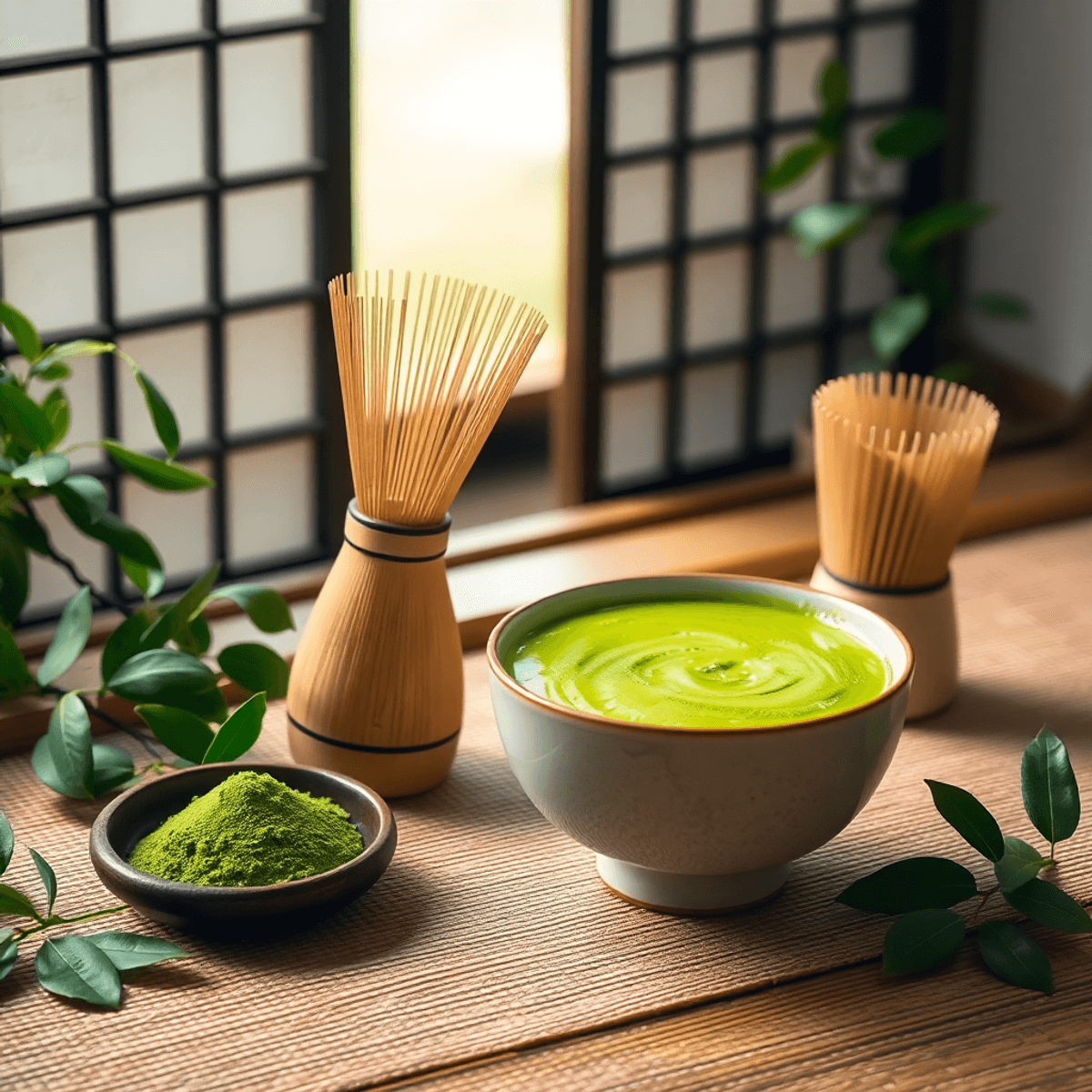
Matcha Love is more than a trend; it’s a deep appreciation for a vibrant green tea that has captured global attention. This powdered tea, originating from Japan, has gained immense popularity for its unique flavor, cultural roots, and impressive health benefits.
What is Matcha?
Matcha is finely ground green tea leaves, traditionally used in Japanese tea ceremonies. Unlike regular brewed green tea, you consume the whole leaf in powdered form, which means you get a concentrated source of nutrients and antioxidants. This quality makes matcha stand out from other teas and explains why it’s cherished by many.
You’ll find two main reasons people are drawn to matcha:
- Ceremonial Grade Matcha: The highest quality powder made for traditional tea preparation, known for its delicate taste and bright green color.
- Health Benefits: Rich in antioxidants like EGCG and L-theanine, matcha offers sustained energy without jitters, promotes calm focus, supports workout recovery, and enhances mood.
This article dives into the history and culture behind matcha, explains how to identify quality ceremonial grade matcha online, provides tips for perfect matcha preparation, shares delicious recipes, and explores incorporating matcha into your daily ritual with mindfulness. Whether you’re new to matcha or looking to deepen your practice, this guide will enrich your Matcha Love journey.
The Origin and Cultural Significance of Matcha
Matcha started in old Japan. It grew to be more than a drink. It became a sign of care and spirit in Japanese life. The green tea powder we enjoy was first brought in by Zen Buddhist monks in the 12th century. They wanted to stay awake and calm when they sat for a long time. Drinking green tea powder helped them feel sharp and peaceful.
Role of Zen Masters and the Japanese Tea Ceremony
Zen Masters were very important in how matcha became known and loved. They turned making matcha into an art called chanoyu, or the Japanese tea ceremony. This practice is more than just having tea. It stands for things like harmony, respect, and being pure. Each step in the ceremony is done with care, giving matcha a quiet, thoughtful feel instead of just being a drink.
The tea ceremony helps people pay attention to each moment. It follows Zen ideas. When you make matcha with care, you stop and notice what is happening now. This practice fits well with how, in today's times, people want to be mindful and present.
Cultural Philosophy: "Ichi go ichi e"
A key idea in matcha culture is Ichi go ichi e, which means "one time, one meeting." This saying points out that every time you meet someone or do something can be special. It tells you to value each experience with matcha because each one is different and will not come again. You may share matcha in a ceremony with others. Or you may enjoy a cup by yourself at home. No matter where you are, it helps you feel thankful and enjoy the present moment.
Influence on Modern Appreciation
This rich past shapes the way people around the world enjoy matcha today. The care for good taste, the practice, and being in the moment is still there in the ways we use matcha now. This is true when you drink matcha the old way or try new things like matcha in smoothies. You can feel this culture when you pick out a top grade matcha or make your drink with care.
Knowing matcha history makes your daily cup feel deeper. It links you with many years of tradition, spiritual practice, and craft. This turns your matcha from just a drink or something good for health into something special.
Understanding Matcha Quality and Types
Matcha quality varies significantly, shaped by cultivation, processing, and intended use. Two primary categories define the market: ceremonial grade matcha and culinary grade matcha. Knowing the difference helps you select the right matcha for your needs.
Ceremonial Grade vs Culinary Grade Matcha
Ceremonial Grade Matcha
This is the highest quality matcha, crafted from the youngest tea leaves harvested during the first picking. It boasts a vibrant green color, delicate sweetness, and smooth umami flavor. Used traditionally in Japanese tea ceremonies, this type is best enjoyed whisked with hot water alone to savor its pure taste.
Culinary Grade Matcha
Designed for cooking and baking, culinary grade matcha contains slightly older leaves with a more robust, sometimes bitter flavor profile. It works well in lattes, smoothies, desserts, and recipes where matcha’s flavor melds with other ingredients.
The Role of Stone-Ground Processing
Stone-ground matcha is a hallmark of quality. Traditional granite mills slowly grind shade-grown tea leaves into an ultra-fine powder without overheating or damaging delicate compounds. This method preserves:
- Intense color
- Fresh aroma
- Nutrient integrity
Machine grinding often produces coarser powders with diminished flavor and antioxidant content. Authentic stone-ground matcha feels silky to touch and dissolves smoothly in water.
Identifying High-Quality Ceremonial Grade Matcha Online
When shopping online for ceremonial grade matcha, look for these indicators:
- Color: Bright emerald green signals freshness and high chlorophyll levels. Dull or yellowish powders suggest lower quality or age.
- Texture: Fine and velvet-like texture means careful stone grinding. Avoid clumpy or gritty powders.
- Packaging: Resealable tins or pouches protect against light and moisture—critical for preserving flavor and antioxidants.
- Origin: Genuine matcha comes from renowned Japanese regions like Uji, Nishio, or Shizuoka. Check product details for origin information.
- Reviews & Certifications: Positive customer feedback focusing on taste and freshness adds confidence; look for organic or third-party certifications to ensure purity.
Overview of Matcha Types and Their Best Uses
Type | Description | Best Use Cases |
Ceremonial Grade | Premium young leaf powder, vibrant green color | Traditional tea preparation; drinking straight |
Premium Culinary Grade | Slightly older leaves; still bright but less delicate | Lattes, smoothies, light baking |
Standard Culinary Grade | More mature leaves; robust flavor | Baking recipes, ice creams, sauces |
Ingredient/Industrial Grade | Lowest grade; often mixed blends | Mass-produced products like candies |
Understanding these distinctions allows you to tailor your purchase to how you plan to enjoy matcha—whether as a mindful tea ritual or as a versatile ingredient enhancing everyday meals.
Selecting high-quality matcha starts with recognizing grades and production methods that guarantee authenticity and maximize health benefits—a crucial step before diving into preparation techniques or creative recipes.
Health Benefits of Matcha
Matcha stands apart from regular brewed green tea because you consume the entire tea leaf in powdered form, not just an infusion. This means antioxidants in matcha are more concentrated and bioavailable, delivering a powerful dose with every sip.
Why Whole Leaf Powder Matters
- When you drink brewed green tea, the leaves steep in water but most nutrients remain trapped inside.
- Matcha powder involves ingesting the whole leaf, unlocking significantly higher levels of antioxidants and nutrients.
- This results in a superior antioxidant profile that supports your body’s defense against oxidative stress and inflammation.
Key Nutrients Driving Matcha’s Benefits
EGCG (Epigallocatechin Gallate)
- A potent catechin abundant in matcha known for its antioxidant properties.
- Supports metabolism, promotes fat oxidation, and helps protect cells from damage.
- EGCG may also contribute to heart health by improving cholesterol levels and blood vessel function.
L-theanine
- An amino acid unique to tea leaves that promotes relaxation without drowsiness.
- Works synergistically with caffeine in matcha to create a calm yet alert mental state.
- Known to enhance cognitive focus, reduce anxiety, and improve mood balance.
Health Benefits You Can Feel
- Natural Energy Booster: Unlike coffee’s quick spike and crash, matcha provides sustained energy thanks to L-theanine balancing caffeine’s effects. You feel alert and focused without jitters or sudden drops.
- Enhanced Workout Recovery: Antioxidants like EGCG help reduce muscle soreness and inflammation after exercise, speeding recovery times.
- Mood Improvement & Anxiety Management: The calming effects of L-theanine support emotional well-being and stress resilience throughout your day.
This combination of nutrients makes matcha a standout choice for those seeking a natural way to fuel their body and mind with clean energy, improved focus, and protective health benefits — essential aspects of cultivating matcha love.
Preparing Matcha Perfectly at Home
Mastering matcha preparation requires attention to detail and respect for the traditional methods that bring out its vibrant flavor and health benefits. Using ceremonial grade matcha, you want to preserve its delicate taste and maximize nutrient retention. Here’s how to do it right.
Step-by-Step Guide to Whisking Matcha
- Sift the Matcha Powder Start by sifting 1 to 2 teaspoons of ceremonial grade matcha into a bowl. This removes clumps and ensures a smooth texture.
- Heat Water to Ideal Temperature Heat water to about 180°F (82°C). Water that's too hot will scorch the powder, resulting in bitterness and loss of nutrients like EGCG.
- Add Water to Matcha Pour approximately 2 ounces (60 ml) of the hot water into the bowl with matcha powder.
- Whisk Using a Bamboo Whisk (Chasen) Hold the whisk firmly and whisk vigorously in a zig-zag or "M" motion until a bright green froth forms on the surface. This step is crucial for creating that signature frothy matcha tea texture, which enhances mouthfeel and aroma.
- Serve or Adjust Consistency Add more hot water if you prefer a thinner tea or milk/plant-based alternatives for lattes. Enjoy immediately for peak freshness.
Achieving Smooth, Frothy Matcha Tea
- Use quick wrist movements when whisking rather than stirring slowly.
- Avoid pressing the whisk too hard against the bowl; let it glide smoothly.
- Whisk for about 15-20 seconds until fine bubbles appear evenly across the surface.
- If froth doesn’t form, check your water temperature or powder freshness.
Proper Storage Techniques
Maintaining matcha’s freshness is essential since exposure to air, light, and moisture degrades its quality rapidly. Follow these guidelines:
- Store matcha in an opaque, airtight container with a resealable lid.
- Keep it refrigerated once opened but allow it to return to room temperature before opening to avoid condensation.
- Avoid storing near strong-smelling foods as matcha can absorb odors easily.
- Purchase smaller quantities if you don’t consume it daily to ensure you’re always using fresh powder.
Perfecting your whisking matcha routine will elevate your daily ritual and deepen your appreciation for this unique green tea experience. The right tools, precise water temperature for matcha, and mindful technique unlock flavors and textures that make ceremonial grade matcha stand out from ordinary green teas.
Delicious Matcha Recipes to Try
Matcha’s vibrant flavor and rich antioxidants make it a versatile ingredient for various healthy recipes. You can enjoy matcha beyond traditional tea by incorporating it into drinks and snacks that boost your energy and wellness.
Classic Creamy Matcha Latte Recipe
A matcha latte is a perfect way to indulge in a smooth, creamy drink packed with antioxidants. Whether you prefer dairy or plant-based milk, this recipe balances the earthy bitterness of matcha with a creamy texture.
Ingredients:
- 1 teaspoon ceremonial grade matcha powder
- 2 ounces hot water (about 180°F)
- 6 ounces milk or plant-based alternative (almond, oat, coconut)
- Sweetener to taste (honey, maple syrup, or stevia)
Instructions:
- Sift the matcha powder into a bowl to avoid clumps.
- Add hot water and whisk vigorously using a bamboo whisk until frothy and smooth.
- Heat your preferred milk until warm but not boiling.
- Pour the milk into the matcha mixture slowly while stirring gently to combine.
- Sweeten as desired and enjoy immediately.
This latte offers a sustained energy lift without jitters thanks to matcha’s unique combination of caffeine and L-theanine.
Energizing Green Smoothie with Matcha
Smoothies are an excellent way to maximize matcha’s health benefits while enjoying a refreshing treat. Combining it with fruits and greens creates a nutrient-dense option for breakfast or post-workout recovery.
Basic Green Smoothie with Matcha:
- 1 teaspoon matcha powder
- 1 cup spinach or kale leaves (fresh)
- 1 frozen banana
- ½ cup Greek yogurt or plant-based yogurt
- 1 cup almond milk or water
- Optional: 1 tablespoon chia seeds or flaxseeds for extra fiber
Directions:
Add all ingredients into a blender and process until smooth. Adjust liquid quantity depending on your preferred consistency.
You get antioxidants from the matcha plus vitamins from leafy greens—a double dose of health in one glass.
Other Simple Healthy Matcha Recipes
- Matcha Overnight Oats: Stir in 1 teaspoon matcha powder into your overnight oats mix before refrigerating overnight for an antioxidant-rich breakfast.
- Matcha Energy Bites: Mix matcha powder with dates, nuts, coconut flakes, and a bit of honey; roll into bite-sized balls for an easy snack packed with nutrients.
- Matcha Chia Pudding: Blend matcha with coconut milk and chia seeds; let sit overnight for a creamy pudding loaded with antioxidants and fiber.
These recipes maintain the integrity of matcha’s health benefits while adding variety to your daily routine—keeping enjoyment high without compromising nutrition.
Incorporating matcha into these recipes allows you to experience its rich flavor along with its well-documented health perks like improved focus, antioxidant support, and mood enhancement—all deliciously convenient.
Incorporating Matcha into Your Daily Rituals with Mindfulness
Creating a daily ritual with matcha invites you to slow down and embrace intentionality. Rooted in centuries-old Japanese tradition, mindful tea drinking is more than just enjoying a beverage—it’s a practice that cultivates presence and calm focus. When you prepare and consume matcha with care, you engage your senses fully: observing the vibrant green color, inhaling the fresh, grassy aroma, feeling the warmth of the bowl in your hands, and savoring each sip. This type of ritual encourages grounding yourself in the moment, reducing stress while enhancing mental clarity.
The philosophy behind this mindful approach echoes the concept of “Ichi go ichi e”—treasuring each encounter as unique and unrepeatable. Applying this mindset to your matcha moments transforms them into peaceful breaks within busy days. Whether it’s a quiet morning pause or an afternoon reset, taking time for matcha becomes a form of meditation.
Consider these points when incorporating matcha as a mindful ritual:
- Choose your moment intentionally: Mornings provide gentle caffeine stimulation that supports alertness without jitters. Matcha’s L-theanine promotes calm energy, making it ideal for starting your day focused.
- Afternoon consumption can help maintain steady energy levels during typical post-lunch slumps without interfering with nighttime sleep.
- Create a dedicated space: Designate a quiet corner or cozy nook where you prepare and enjoy matcha free from distractions.
- Engage all senses: Focus on the sound of whisking, the texture of frothy tea, and the taste nuances that evolve sip by sip.
- Breathe deeply: Pause between sips to breathe slowly, allowing calmness to settle alongside alertness.
Incorporating these elements turns matcha drinking into a holistic practice rather than rushing through another caffeinated fix. This mindfulness ritual nurtures balance—combining physical benefits of matcha with mental well-being.
Adopting this daily ritual with matcha deepens your matcha love beyond flavor or health perks—it connects you to tradition, presence, and self-care in a meaningful way.
Finding the Best Ceremonial Grade Matcha Products Online
Choosing the best ceremonial grade matcha online vendor requires attention to detail and a discerning eye. Quality matters deeply when it comes to matcha love, as the flavor, texture, and health benefits depend heavily on the product's authenticity and freshness.
What to Look for When Sourcing Ceremonial Grade Matcha
Here are some key factors to consider when sourcing ceremonial grade matcha:
- Authenticity: Look for vendors who specify the origin of their matcha—Japan is the gold standard. Reputable sellers often provide detailed product descriptions about the region, harvest time, and processing methods.
- Grade Transparency: The label should clearly state ceremonial grade. Avoid vague terms like “premium” or “organic” without further explanation related to ceremonial quality.
- Freshness: Matcha oxidizes quickly once exposed to air. Freshness is critical for vibrant flavor and maximum antioxidant benefits.
- Packaging: High-quality matcha comes in airtight, resealable containers that protect against light and humidity. This packaging helps preserve the bright green color and delicate aroma.
- Customer Reviews: Reading reviews can reveal insights into taste, texture, and overall satisfaction. Focus on feedback about how well the product holds up after opening.
- Price Point: Ceremonial grade matcha commands a higher price due to its quality but watch out for overpriced products that don’t deliver on their claims.
Trusted Online Vendors for Matcha Love
Many brands specialize in authentic ceremonial grade matcha sourced directly from Japan’s tea farms. These vendors typically provide transparent information about their sourcing and offer customer support to answer questions. Choosing such sources reduces risk and enhances your daily ritual experience.
Embracing Matcha Love in Your Lifestyle
Integrating high-quality ceremonial grade matcha into your routine elevates more than just your beverage choices — it becomes a moment of intentional self-care. Whether you enjoy it as part of a morning ritual or an afternoon pause, selecting premium products enriches every sip.
Take time exploring different vendors until you find a match that resonates with your palate and values. Remember that true matcha love means honoring both tradition and quality in every cup you prepare.
Embrace this vibrant green tea as a daily companion for wellness, mindfulness, and enjoyment. Your journey toward discovering exceptional ceremonial grade matcha online will deepen your appreciation for this remarkable powder — one bowl at a time.
FAQs (Frequently Asked Questions)
What is Matcha and why is it gaining popularity as 'Matcha Love'?
Matcha is a soft green powder that comes from special tea leaves. People love matcha because of its bright green color, strong taste, and how good it is for health. Over time, more people talk about 'Matcha Love.' This idea shows how matcha was used in old tea ceremonies, has a lot of good antioxidants, and can be used in many ways for food and drinks every day.
What is the cultural significance of matcha in Japanese tradition?
Matcha is very important in Japanese culture. It started with Zen Buddhist practice. Zen masters would drink matcha while they meditated. The Japanese tea ceremony is also a big part of this. It shows ideas like "Ichi go ichi e," which means to be present and feel each moment is special. This history has shaped how people today enjoy and use matcha, not only in Japan but all over the world.
How can I differentiate between ceremonial grade and culinary grade matcha?
Ceremonial grade matcha comes from the youngest tea leaves. These leaves are crushed into a smooth green powder. The taste is light and sweet, which is best for making tea in the old style.
Culinary grade matcha uses older leaves. Its taste is stronger and works well for cooking or baking.
When you buy matcha online, read if the product says 'ceremonial grade.' Check if there are signs that show it is fresh. Look at what people say in reviews to be sure you get good quality.
What are the key health benefits of consuming matcha?
Matcha gives you more antioxidants like EGCG since you take in the whole tea leaf as a powder. It has L-theanine, which helps you feel calm and stay focused. It helps your mood feel better, makes it easier to deal with stress, gives natural energy without the shakes or sudden drop, and helps you feel better after working out. If you drink matcha often, it is good for your health and gives you more energy for your day.
How do I prepare the perfect cup of ceremonial grade matcha at home?
To make ceremonial grade matcha, take 1-2 teaspoons of powder. Mix it with hot water at about 180°F. Use a bamboo whisk and stir until you see froth. A good whisk gives it a smooth feel and helps keep its good stuff. Keep your matcha in containers that seal tight, away from light and wet. This keeps it fresh.
Can you suggest simple and healthy recipes using matcha?
Of course! Classic matcha lattes are made with milk or plant-based milks. People enjoy these every day. You can also use matcha in green smoothies. Just blend it with fruits and vegetables. These recipes keep the good antioxidants in matcha. They also give you new ways to use matcha in your food and help you follow your 'Matcha Love' lifestyle.


Comments
Post a Comment