Thai Lod Chong Crepe Cake: Layered Pandan Magic
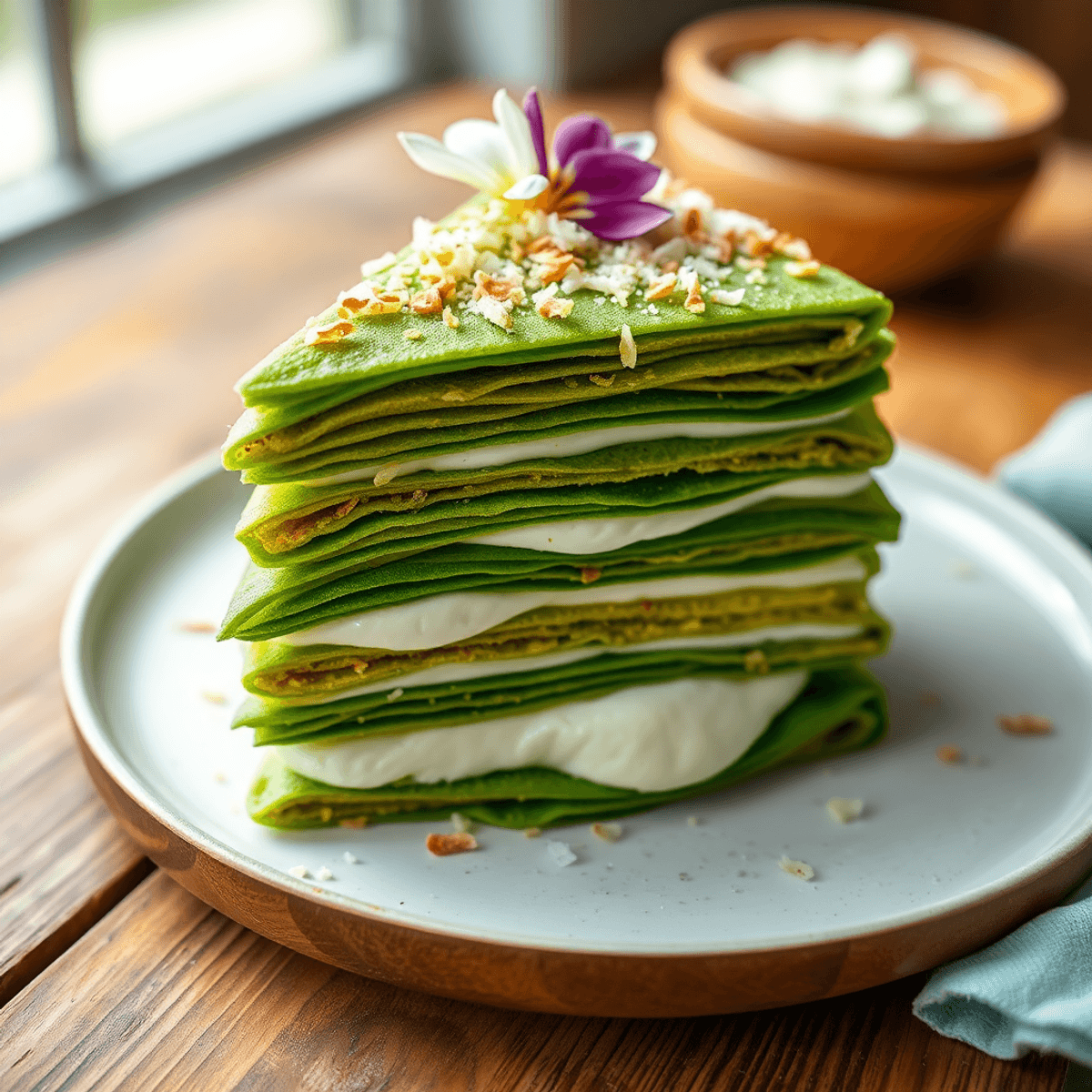
The Thai Lod Chong Crepe Cake is a captivating fusion dessert that brings together the cherished flavors of traditional Thai sweets with a sleek, modern presentation. Based on the classic Thai lod chong—the pandan-flavored rice flour noodles served in creamy coconut milk—this dessert transforms those familiar tastes into a visually stunning layered pandan crepe cake.
The appeal of pandan crepe cakes lies in their delicate, thin layers infused with fragrant pandan leaf extract, creating a vibrant green hue and an unmistakable tropical aroma. Each layer is tender yet resilient, offering a textural experience that both contrasts and complements the smooth coconut cream nestled between them. This combination has sparked growing popularity among dessert enthusiasts who appreciate authenticity paired with artistry.
This article takes you on a flavorful journey through:
- The origins and cultural significance of Lod Chong as a Southeast Asian classic.
- A detailed explanation of how the crepe cake variation reimagines this timeless dessert.
- A step-by-step guide to making your own Thai Lod Chong Crepe Cake at home.
- Vegan and gluten-free adaptations to suit diverse dietary needs.
- Elegant decoration ideas to elevate your presentation.
- Thoughtful pairing suggestions including complementary drinks and other Asian desserts.
- Tips on where to find authentic versions if you prefer to indulge without baking.
Whether you are an adventurous home cook or simply curious about unique Thai dessert recipes, this exploration promises insight and inspiration to enjoy the layered pandan magic firsthand.
The Origins and History of Lod Chong
Lod Chong, also widely known as Cendol in other parts of Southeast Asia, is a beloved traditional Thai dessert. Its origins can be traced back to the region, representing a shared culinary heritage among countries like Thailand, Malaysia, Indonesia, and Vietnam.
Historical Background
Lod Chong has a long history rooted in ancient traditions. It was originally created as a refreshing dessert to beat the heat in tropical climates. The ingredients used in this simple yet vibrant dish have allowed it to be passed down through generations.
The unique green noodles in Lod Chong are made from rice flour mixed with pandan leaf extract. This not only gives them their bright color but also imparts a fragrant flavor that is highly valued in many Southeast Asian dishes.
Traditional Ingredients of Thai Lod Chong
Key elements define what makes Thai lod chong so beloved:
- Pandan-flavored rice flour noodles: These slippery green strands form the heart of the dish. Made by mixing rice flour and water with freshly squeezed pandan juice or pandan paste, then shaped into short noodle-like pieces.
- Coconut milk: Rich and creamy coconut milk is poured generously over the noodles. It balances the texture with smoothness and adds depth to the flavor profile.
- Palm sugar syrup: Traditionally crafted from gula melaka (palm sugar), this syrup lends sweetness combined with a hint of caramel and smokiness. It’s typically drizzled on top or mixed into the coconut milk for a luscious finish.
These components come together to create a dessert that is both cooling and satisfying—ideal for hot weather while delivering layers of flavor and texture.
Cultural Significance and Popularity
In Thailand, lod chong is more than just a dessert; it’s woven into everyday life as well as special occasions. Street vendors commonly serve it chilled during festivals or as an afternoon refreshment. Its popularity extends beyond borders due to its comforting familiarity and distinctive taste.
Neighboring countries have their variations but share similar core ingredients and preparation methods. This shared tradition highlights how food transcends geography, connecting communities through taste and memory.
The lasting appeal of traditional Thai desserts like lod chong lies in their ability to evoke nostalgia while remaining versatile enough for creative reinterpretations—such as the modern crepe cake version you’ll explore next.
What is Thai Lod Chong Crepe Cake?
Thai Lod Chong Crepe Cake is a creative twist on the traditional Thai dessert, Lod Chong. Instead of serving the usual pandan-flavored rice flour noodles in coconut milk, this version presents a visually stunning and uniquely textured cake.
Key Features
1. Pandan Crepe Cake Layers
The cake is made up of thin crepes prepared with pandan-infused batter. These crepes are cooked to perfection, maintaining a soft and flexible texture. Stacked together like sheets, they create multiple layers that resemble the slender strands of traditional Lod Chong noodles.
2. Flavor and Texture Mimicry
Each layer of the cake carries the subtle sweetness of pandan combined with a chewy texture reminiscent of rice flour noodles. The crepe layers provide a smooth yet slightly elastic mouthfeel, capturing the essence of the original dessert's textures without using noodles directly.
3. Layering with Coconut Cream
Between every pandan crepe layer lies a spread of rich coconut cream sauce. This not only adds moisture but also introduces the creamy sweetness central to Lod Chong's flavor profile. The coconut cream balances the herbal notes from pandan while enhancing richness.
Blending Tradition with Modern Presentation
Thai Lod Chong Crepe Cake strikes a perfect balance between honoring tradition and embracing innovation:
- Nostalgic Elements: Its flavor combination pays tribute to Thai heritage—pandan, coconut, palm sugar—evoking memories of classic street desserts.
- Modern Aesthetics: The multi-layered structure presents beautifully on plates or display cases, transforming simple ingredients into an eye-catching treat suitable for cafes or special occasions.
- Culinary Innovation: Drawing inspiration from French mille crepe techniques, this dessert elevates Southeast Asian flavors into a refined format that appeals to both local and global tastes.
The result is a dessert that feels familiar yet new—comforting in its homage to traditional Lod Chong but exciting through its contemporary form as a layered pandan crepe cake.
Step-by-Step Guide to Making Thai Lod Chong Crepe Cake
Creating a Thai Lod Chong Crepe Cake combines traditional tropical flavors with delicate layering techniques. This step-by-step Thai crepe cake guide breaks down each stage, from preparing pandan paste to the final drizzle of palm sugar syrup.
Preparing Pandan Paste or Homemade Pandan Extract
Fresh pandan leaves are essential for authentic flavor and vibrant green color.
- Wash about 10-15 leaves thoroughly, chop them into small pieces.
- Blend the chopped leaves with ½ cup of water until smooth.
- Strain the mixture through a fine sieve or cheesecloth to extract pure pandan juice.
- Reduce the juice on low heat until slightly thickened for a concentrated pandan paste.
This homemade pandan extract enhances both color and aroma far better than artificial flavoring.
Making Thin Pandan Crepes
- Ingredients: Combine rice flour or all-purpose flour, coconut milk, pandan paste (or extract), sugar, and a pinch of salt.
- Whisk until the batter is smooth with no lumps. The consistency should be like heavy cream — thin enough to spread easily but not watery.
- Preheat a non-stick pan over medium-low heat. Lightly grease it for even cooking without sticking.
- Pour a small ladleful of batter into the pan, swirling quickly to create a thin, even layer.
- Cook for about 30 seconds until the edges lift easily and the surface looks set but not browned.
- Flip briefly if necessary; some prefer cooking only one side for tenderness.
- Transfer the cooked crepe to a plate and repeat until all batter is used.
Tips: Maintain consistent heat and keep crepes thin to mimic Lod Chong’s soft noodle texture.
Layering with Coconut Cream Sauce
- Prepare a luscious coconut cream sauce by heating coconut cream with a little sugar and salt until slightly thickened but still pourable.
- Allow the sauce to cool to room temperature before layering.
- Place one crepe on your serving plate, then spread a thin layer of coconut cream sauce evenly on top.
- Repeat layering: crepe, coconut sauce, crepe—building up around 10–15 layers depending on desired height.
The creamy sauce between layers adds moisture and richness reminiscent of traditional Lod Chong’s coconut milk base.
Finishing Touches
- Warm some palm sugar syrup (gula melaka) until fluid but not too hot.
- Drizzle generously over the top layer to add deep caramel sweetness that contrasts beautifully with pandan and coconut flavors.
- Optionally, add an extra drizzle of coconut cream sauce or sprinkle toasted shredded coconut for texture.
This methodical approach will yield an elegant Thai Lod Chong Crepe Cake bursting with authentic flavors while showcasing refined presentation skills.
Vegan and Gluten-Free Variations of the Crepe Cake
Creating a vegan lod chong crepe cake means focusing on plant-based ingredients that replicate the creaminess and richness typical of traditional recipes without using dairy. Coconut cream is your go-to substitute—it delivers the luscious texture essential for the coconut cream sauce between layers. Use full-fat canned coconut milk or homemade coconut cream, whipped slightly if desired, to achieve a thick, velvety consistency. This keeps the dessert indulgent while fully vegan.
For those needing a gluten-free crepe cake, selecting the right flour is critical. Traditional wheat flour can be replaced with:
- Rice flour: Closest to original Thai textures; lends a slightly chewy, tender crepe.
- Tapioca starch: Adds elasticity and glossy finish.
- Sweet rice flour (mochiko): Provides softness and helps bind layers well.
Mixing rice flour with tapioca starch often yields the best pliability for thin crepes without gluten. These flours maintain the authentic mouthfeel expected in Southeast Asian desserts.
Reducing sugar or swapping it out for natural alternatives fits well into healthy Thai dessert alternatives. Palm sugar syrup is classic but can be substituted or complemented by:
- Maple syrup or agave nectar: For a more neutral sweetness.
- Coconut sugar: Lower glycemic index, retains caramel notes.
- Adding less syrup overall lets the pandan and coconut flavors shine while cutting down on excess sweetness.
When adapting recipes, balance is key to preserving authenticity. The hint of pandan’s grassy aroma combined with rich coconut cream and just enough sweetener remains central to capturing Lod Chong’s essence—whether vegan, gluten-free, or healthier.
Experimentation might be required to get batter thickness and cooking times right with alternative flours and dairy replacements. Use small test crepes first to adjust consistency before layering. This approach ensures your vegan lod chong crepe cake or gluten-free crepe cake stays true to its inspiration while accommodating dietary needs gracefully.
Decorating Tips for an Elegant Presentation
Decorating crepe cakes like the Thai Lod Chong Crepe Cake takes your dessert from delicious to visually stunning. Edible cake decorations can elevate the experience, creating a feast for both the eyes and the palate.
Edible Decorations to Enhance Visual Appeal
- Toasted shredded coconut adds a crunchy texture and nutty aroma that contrasts beautifully with the soft creaminess of the cake layers. Toast it lightly until golden for a warm color accent.
- Edible flowers such as orchids or butterfly pea blossoms introduce delicate pops of color and an elegant touch. Their natural hues complement the green pandan layers perfectly.
- Pandan leaf garnishes cut into thin strips or fashioned into small rosettes reinforce the flavor theme while adding height and dimension to your presentation.
Natural Vibrancy Through Layers and Toppings
The vibrant green color from pandan is already eye-catching, but combining it with other naturally colorful toppings enhances this effect:
- A drizzle of dark amber palm sugar syrup contrasts strikingly against the pale coconut cream layers.
- Small pieces of bright red ruby water chestnuts or fresh mango cubes placed sparingly can introduce fresh bursts of color without overwhelming the traditional palette.
Styling Tips Blending Tradition with Modernity
Adopt plating styles that respect Thai dessert heritage while appealing to contemporary tastes:
- Serve slices on simple white or earth-toned ceramic plates to let colors stand out without distraction.
- Use minimalistic garnishing — one or two edible flowers paired with a thin pandan leaf strip — to avoid cluttered appearance.
- For cafes, stack mini versions of the crepe cake on sleek glass stands or tiered trays that allow customers to appreciate each delicate layer visually before tasting.
By focusing on these decorating elements, you create an inviting dessert presentation that celebrates both cultural authenticity and modern culinary artistry.
Pairing Suggestions: Drinks and Other Asian Desserts
When enjoying Thai Lod Chong Crepe Cake, selecting the right accompaniments enhances the experience by balancing its creamy sweetness and pandan aroma. Thoughtful dessert drink pairings and complementary treats create a harmonious tasting journey.
Beverage Pairings for Thai Lod Chong Crepe Cake
Here are some beverage options that go well with Thai Lod Chong Crepe Cake:
- Iced Thai Tea: Bold, spiced, and slightly sweetened, iced Thai tea cuts through the richness of the coconut cream layers. Its robust flavor provides contrast while echoing familiar Southeast Asian notes.
- Lemongrass Iced Drink: Refreshing with citrusy brightness, lemongrass iced drinks cleanse the palate between bites. The herbal undertones complement pandan’s grassy fragrance without overpowering it.
- Jasmine or Green Tea: Served hot or cold, these teas offer delicate floral or vegetal flavors that balance sweetness. Their subtle bitterness helps to tone down the dessert’s richness.
- Chilled Coconut Water: Amplifies the tropical essence inherent in the crepe cake and adds a light, hydrating element to each bite.
Asian Dessert Pairings to Elevate Your Tasting Experience
Here are some other Asian desserts that can elevate your tasting experience with Thai Lod Chong Crepe Cake:
- Mango Sticky Rice (Khao Niao Mamuang): This classic Thai dessert shares coconut milk as a base ingredient but introduces fresh mango’s natural acidity. Together, they create a dynamic interplay of textures and flavors.
- Black Sesame Mochi: Offering a chewy texture and nutty depth, black sesame mochi contrasts nicely with the soft layered crepes while staying within an Asian flavor profile.
- Vietnamese Pandan Waffles (Bánh Kẹp Lá Dứa): Reinforce the pandan theme with crisp waffles that bring a different mouthfeel yet familiar aromatic notes—a delightful pairing for variety seekers.
- Red Bean Soup or Tangyuan: These warm desserts add heartiness and balance sweetness with earthiness from red beans or glutinous rice balls, enriching your dessert spread.
Combining these drinks and desserts with Thai Lod Chong Crepe Cake crafts a multi-dimensional tasting experience ideal for cafes or dinner parties where guests appreciate nuanced Asian flavors and textures.
Where to Buy Authentic Thai Lod Chong Crepe Cake
Finding where to buy Thai Lod Chong Crepe Cake can be a rewarding experience if you know where to look. This dessert, blending traditional Thai flavors with a French-inspired crepe technique, is gaining traction at specialty cafes and bakeries worldwide.
Specialty Bakeries and Cafes in Thailand
Thailand remains the best place to find authentic Lod Chong Crepe Cake. Look for:
- Boutique patisseries in Bangkok and Chiang Mai: These often focus on Thai-French fusion desserts, incorporating local ingredients like pandan and coconut milk into delicate crepes.
- Famous dessert cafes specializing in Thai sweets with a modern twist. These places usually highlight seasonal pandan harvests for freshness.
- Markets or food festivals featuring artisan dessert stalls, where local chefs showcase innovative takes on classic recipes.
International Locations
Cities with vibrant Asian food scenes offer excellent options:
- Asian fusion cafes in cities like Singapore, Los Angeles, London, or Sydney: Many have introduced Lod Chong Crepe Cake as part of their menu, emphasizing authenticity through imported ingredients or close collaboration with Thai chefs.
- Pop-up events and dessert fairs celebrating Southeast Asian flavors also provide opportunities to taste this layered treat.
Online Marketplaces and Delivery Options
For those unable to visit specialty shops in person:
- Certain online stores based in Thailand ship freshly made Lod Chong Crepe Cakes internationally, carefully packed to preserve texture and flavor.
- Platforms like Etsy or gourmet food sites sometimes feature independent bakers offering this cake with customizable options.
- Subscription boxes focusing on Asian desserts occasionally include Lod Chong Crepe Cake as a featured item.
When choosing an online source, verify customer reviews for quality assurance and inquire about ingredient sourcing to ensure authenticity. The best experiences come from vendors committed to preserving the traditional pandan and coconut flavors while presenting the cake in its distinctive layered form.
Conclusion
The Thai Lod Chong Crepe Cake is a unique dessert that combines traditional Thai flavors with modern cooking techniques. You can make this delicious treat at home by following the recipes and methods mentioned earlier in this article. By making it yourself, you'll have the opportunity to work with key ingredients like pandan crepe cake layers, coconut cream, and palm sugar syrup — all of which contribute to the authentic taste and texture of this dessert.
If you prefer not to bake, you can still enjoy genuine versions of Lod Chong made by talented chefs who respect its heritage. Look for recommended cafes or specialty bakeries where you can find these desserts. Tasting the crepe cake in such places will give you a direct connection to Thai culture through its flavors and presentation.
This dessert is more than just sweet; it tells the story of Thailand's rich culinary history while also embracing innovation. The combination of pandan's fragrant aroma, creamy coconut layers, and caramelized palm sugar syrup brings together nostalgia and creativity in every bite.
Here are some key takeaways:
- Making Thai Lod Chong Crepe Cake at home helps you appreciate traditional ingredients and techniques.
- Enjoying it at expert cafes allows you to understand the evolving dessert trends in Southeast Asia.
- The cake represents cultural preservation alongside modern gastronomy.
You have the power to experience this one-of-a-kind dessert for yourself—whether by making it or trying it from trusted sources. Explore fusion dessert recipes like this one as a way to celebrate both heritage and new ideas on your culinary journey.
FAQs (Frequently Asked Questions)
What is Thai Lod Chong Crepe Cake and how does it differ from traditional Lod Chong?
Thai Lod Chong Crepe Cake is a fusion dessert that reimagines the traditional Lod Chong by layering thin pandan-infused crepes to mimic the texture and flavor of Lod Chong noodles. Unlike the classic version which uses pandan-flavored rice flour noodles served with coconut milk and palm sugar syrup, this modern variation offers a visually appealing crepe cake that balances nostalgia with contemporary culinary innovation.
What are the key ingredients used in making Thai Lod Chong Crepe Cake?
The key ingredients include pandan paste or homemade pandan extract for flavor and color, rice flour or gluten-free flour alternatives for the crepes, coconut cream sauce for layering, and palm sugar syrup for drizzling. These components combine to create the signature taste reminiscent of traditional Thai Lod Chong while providing a moist and flavorful crepe cake.
Can I make a vegan and gluten-free version of Thai Lod Chong Crepe Cake?
Yes, you can prepare vegan and gluten-free variations by substituting dairy with vegan coconut cream sauces to maintain richness without animal products. For gluten intolerance, using gluten-free flours or rice flour alternatives works well. Additionally, reducing sugar or using natural sweeteners helps create healthier versions while preserving authentic flavors.
How do I decorate Thai Lod Chong Crepe Cake for an elegant presentation?
To decorate elegantly, consider using edible decorations such as toasted shredded coconut, edible flowers, or pandan leaf garnishes to enhance visual appeal. Incorporating vibrant green hues naturally through pandan layers alongside complementary toppings creates a stunning look. Styling tips blend traditional aesthetics with contemporary plating techniques perfect for cafes or home serving.
What drinks and other Asian desserts pair well with Thai Lod Chong Crepe Cake?
Recommended beverage pairings include iced Thai tea or refreshing lemongrass iced drinks that complement the creamy sweetness of the crepe cake. Other Asian desserts like mango sticky rice or coconut jelly can be served alongside for a full tasting experience at cafes or dinner parties, enhancing the enjoyment of this unique fusion dessert.
Where can I buy authentic Thai Lod Chong Crepe Cake?
Authentic Thai Lod Chong Crepe Cakes can be sourced from specialty bakeries or cafes specializing in fusion Thai desserts both globally and within Thailand. Some online shops or marketplaces offer delivery options internationally. Seeking out recommended cafes ensures access to genuine flavors blending heritage with modern innovation.


Comments
Post a Comment