What are the health benefits of drinking a matcha shot?
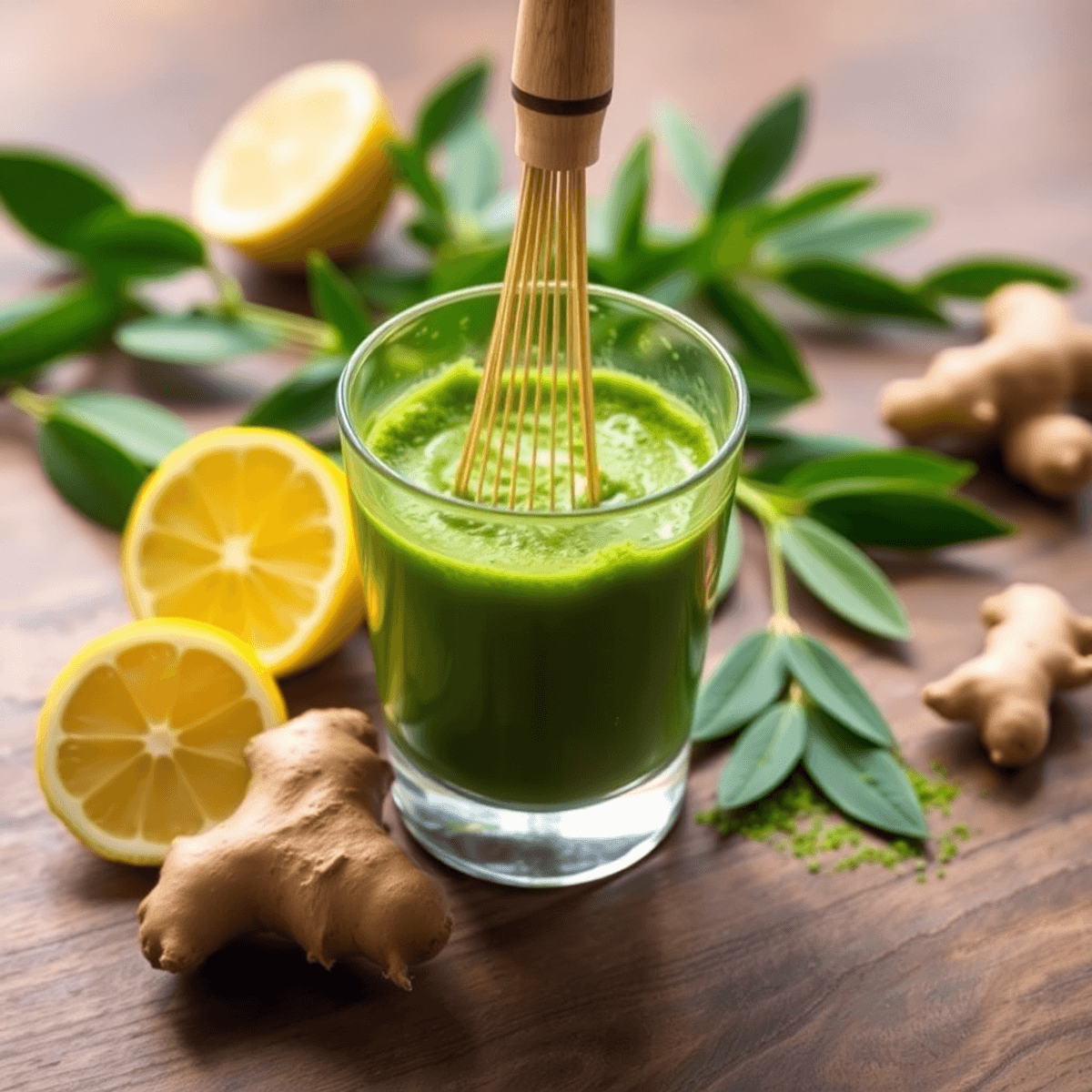
A matcha shot is a concentrated, vibrant green beverage made from finely ground powdered green tea leaves. Unlike traditional brewed teas, matcha involves consuming the whole leaf in powdered form, delivering a potent dose of flavor and nutrients in a small serving. Increasingly popular as an energy-boosting drink, matcha shots offer a quick and convenient way to enjoy the benefits of matcha without the need for elaborate preparation.
People are turning to matcha shots not only for their refreshing taste but also for their wellness potential. The rising interest in natural, plant-based energy sources has propelled matcha shots into cafes, health food stores, and kitchen routines worldwide.
This article dives deep into the health benefits of matcha shot, exploring what makes this emerald elixir special. From understanding its key ingredients and nutritional composition to uncovering its impact on cognitive function and cardiovascular health, readers will gain a comprehensive view of how incorporating matcha shots into daily life can support well-being. Alongside practical tips on preparation, flavor variations, and consumption timing, this guide aims to provide valuable insights into making the most of your matcha experience.
Discover everything about:
- What is matcha shot and why it’s gaining popularity
- Matcha shot benefits supported by scientific findings
- Practical advice on wellness matcha shot preparation, ingredients, and flavors
- Suggested matcha shot occasions and pairings
- Honest matcha shot reviews, highlighting pros and cons
Whether you're new to matcha or looking to deepen your knowledge, this exploration promises to enhance your appreciation for one of nature’s most celebrated superfoods.
Understanding Matcha and Matcha Shots
What Makes Matcha Different from Regular Green Tea?
Matcha stands apart from regular green tea primarily due to its unique cultivation and processing methods. Unlike traditional green tea, where leaves are steeped and then discarded, matcha involves finely grinding whole tea leaves into a vibrant powdered green tea. This approach means that when you consume matcha, you ingest the entire leaf, receiving a more concentrated flavor and a richer nutrient profile.
The Flavor Profile of Matcha
The flavor of matcha is distinct: it carries a rich umami taste with a smooth, slightly sweet finish. This contrasts with the often grassy or bitter notes found in standard brewed green teas. The powder’s vibrant green color reflects the presence of chlorophyll, intensified by the shading techniques used during cultivation.
Popular Brands Offering High-Quality Matcha Products
Several popular brands have distinguished themselves in offering high-quality matcha products:
- Clearspring Matcha Shot: Known for its organic sourcing and authentic Japanese ceremonial-grade powders. Their commitment to purity ensures a clean, fresh taste that highlights the natural sweetness of matcha.
- Samurai Shot Matcha Booster: Markets itself as a convenient energy shot combining traditional matcha powder with modern on-the-go delivery. Both brands emphasize quality ingredients that preserve the healthful properties of matcha while providing convenience.
What is a Matcha Shot?
A matcha shot typically refers to a small serving—usually 1 to 2 teaspoons of powdered green tea whisked into about 1 to 2 ounces of water or milk alternative. This concentrated form delivers a potent dose of antioxidants and caffeine in a compact, easy-to-consume format. Sometimes called a shot of matcha or matcha energy shot, this preparation allows you to enjoy the energizing effects and matcha shot benefits without brewing an entire cup.
Caffeine Content in Matcha Shots
The caffeine content in these shots offers a balanced lift, often ranging from about 30 to 70 milligrams depending on serving size and powder quality. This makes the matcha shot caffeine level comparable but smoother than coffee, thanks to accompanying compounds like L-theanine that modulate energy release.
Key Points About Matcha Shots
- Made from finely ground whole tea leaves (powdered green tea), not just steeped leaves.
- Rich umami flavor with smooth sweetness.
- Popular high-quality options include Clearspring Matcha Shot and Samurai Shot Matcha Booster.
- Typical serving size: 1–2 teaspoons powder per small shot (1–2 oz liquid).
- Provides concentrated antioxidants and controlled caffeine boost ideal for quick consumption.
This concentrated nature means enjoying a shot matcha can be both revitalizing and nutritionally beneficial—a perfect fit for those seeking a quick yet healthful energy pick-me-up.
Nutritional Composition of Matcha Shots
Matcha stands out nutritionally due to its unique cultivation and preparation methods. The powdered form means you consume the entire leaf, unlocking a richer profile of nutrients compared to steeped green tea.
Key Nutrients in Matcha
1. Catechins (Antioxidants in Matcha)
Catechins are powerful antioxidants predominantly found in green tea, with epigallocatechin gallate (EGCG) being the most abundant and studied. These antioxidants neutralize harmful free radicals, which helps protect cells from oxidative damage and supports overall health.
2. Caffeine Content in Matcha Shot
A typical matcha shot contains about 60–70 mg of caffeine per serving, roughly half to two-thirds the caffeine content of a standard 8 oz cup of brewed coffee. This moderate caffeine dose offers an energy boost without the abrupt spikes or crashes commonly linked to coffee consumption.
3. Amino Acids in Matcha
L-theanine is one of the standout amino acids present in matcha. It promotes relaxation and mental clarity by modulating brain wave activity, which balances out caffeine's stimulating effects. This combination creates a calm yet alert state ideal for focus and productivity.
Influence of Shading on Nutrient Density
Before harvest, matcha tea plants undergo a shading process where they are covered for several weeks to reduce sunlight exposure. This practice triggers important biochemical changes:
- Increased Chlorophyll: Shading enhances chlorophyll production, giving matcha its vibrant green color and contributing to detoxification properties.
- Higher Amino Acid Concentration: Reduced sunlight slows photosynthesis slightly but encourages accumulation of amino acids like L-theanine, enriching flavor and health benefits.
- Enhanced Antioxidant Levels: Shade-grown leaves develop elevated catechin levels, amplifying antioxidant potency compared to non-shaded green tea leaves.
These factors culminate in matcha’s distinct nutritional profile that blends energizing compounds with calming elements, making it a nutrient-dense beverage choice that supports both physical vitality and mental well-being.
Health Benefits of Drinking a Matcha Shot
Rich in Antioxidants for Cellular Protection
Catechins benefits form the cornerstone of matcha's impressive health profile. These powerful antioxidants, particularly epigallocatechin gallate (EGCG), play a crucial role in preventing cellular damage caused by free radicals. By neutralizing these harmful molecules, catechins contribute to lowering oxidative stress, which is linked to the development of chronic conditions such as heart disease and certain types of cancer. Regular intake of matcha shots supports the body’s natural defenses, fostering long-term wellness.
Improved Brain Function with Caffeine and L-Theanine
The brain function improvement attributed to matcha is largely due to the unique synergy between caffeine and L-theanine. While caffeine is known for its stimulating effects, L-theanine—a calming amino acid abundant in matcha—modulates this stimulation by promoting alpha brain wave activity. This combination results in enhanced attention span, improved memory retention, and faster reaction times without the nervous energy or jitters commonly associated with coffee consumption. Many find that a matcha shot provides a focused yet relaxed mental state, making it an ideal choice for productivity and cognitive clarity.
Heart Health Benefits from Regular Consumption
Scientific investigations reveal promising heart health benefits connected with consistent matcha consumption. Studies highlight reductions in blood pressure and LDL (low-density lipoprotein) cholesterol levels among regular drinkers, contributing to a healthier cardiovascular system. These improvements may stem from catechins’ ability to improve endothelial function and reduce inflammation within blood vessels. Incorporating matcha shots into daily routines can be a tasty strategy for supporting heart health and mitigating cardiovascular risk factors.
A single matcha shot encapsulates these multifaceted health advantages in a concentrated form, offering an energizing boost with positive effects on mind and body alike.
Other Potential Health Benefits Linked to Matcha Shots
Matcha offers more than just a powerful antioxidant punch; its impact on liver health and weight management is gaining attention among health enthusiasts and researchers alike.
Liver Health Benefits and Detoxifying Properties of Matcha
The liver plays a crucial role in detoxifying the body by filtering harmful substances. Studies have highlighted that the antioxidants in matcha, especially catechins like epigallocatechin gallate (EGCG), exhibit protective effects on liver function. These antioxidants help combat oxidative stress, reducing inflammation and cellular damage in liver tissues.
- Animal studies demonstrate that matcha consumption can decrease markers of liver injury and enhance liver enzyme activity, suggesting improved detoxification processes.
- The chlorophyll content, enriched through shading during cultivation, contributes further by binding to heavy metals and toxins, aiding their elimination from the body.
This combination of antioxidant defense and detox support positions matcha as a natural ally for maintaining optimal liver health.
Supporting Healthy Weight Management with Matcha
Incorporating matcha shots into a balanced lifestyle may assist in weight management goals. Key mechanisms behind this include:
- Thermogenesis stimulation: Catechins in matcha have been found to increase the body's rate of burning calories, even at rest.
- Fat oxidation enhancement: Regular intake encourages the breakdown of fat cells for energy use.
- Appetite regulation: L-theanine alongside caffeine helps provide sustained energy without spikes or crashes that often lead to overeating.
When paired with nutritious eating habits and consistent exercise, matcha becomes a supportive element in promoting healthy weight loss or maintenance. Its gentle boost to metabolism complements lifestyle changes without resorting to harsh stimulants or fad diets.
For those seeking natural ways to enhance their wellness journey, integrating matcha shots offers promising benefits beyond just an energy lift—targeting vital organs like the liver while gently nudging metabolic processes toward balance.
Caffeine Content and Energy Boost from Matcha Shots
Understanding the caffeine in matcha shot reveals a unique energy experience compared to other caffeinated beverages. A typical matcha shot contains approximately 60 to 70 milligrams of caffeine, which is often less than or comparable to a standard 8-ounce cup of brewed coffee, which ranges around 95 milligrams. Despite having slightly less caffeine, matcha delivers a notably different type of energy boost.
The key to this smoother, sustained energy lies in the presence of L-theanine, an amino acid abundant in matcha. L-theanine works synergistically with caffeine to:
- Promote alertness without causing the jitteriness or sudden energy crashes commonly associated with coffee.
- Enhance focus and calmness simultaneously, creating an ideal state for concentration and productivity.
- Extend the duration of the energy boost by slowing caffeine absorption.
People who enjoy a matcha love energy shot often describe this effect as more balanced and gentle, allowing them to maintain steady mental clarity without feeling overstimulated.
Energy boost effects from matcha shots compared to coffee:
Aspect | Matcha Shot | Coffee |
Average caffeine content | 60–70 mg | 95 mg |
Onset of energy | Gradual and smooth | Rapid and intense |
Duration of alertness | Prolonged due to L-theanine | Shorter; may lead to crash |
Impact on calmness | Promotes relaxation alongside alertness | May induce nervousness or jitters |
This calming influence makes matcha shots especially appealing for those sensitive to caffeine or seeking a mindful way to energize their day. The combination offers not just a physical lift but also mental serenity, contributing to an overall sense of well-being during busy schedules or demanding tasks.
Preparing and Consuming Matcha Shots for Maximum Benefit
Crafting the perfect matcha shot at home involves a few essential tools and mindful ingredient choices that bring out the full range of flavors and nutritional advantages.
Tools for Making Matcha Shot
- Bamboo Whisk (Chasen): Traditional and highly effective, this whisk helps break up clumps and create a frothy, smooth texture.
- Electric Frother: A modern alternative providing quick mixing and consistent results, ideal for those seeking convenience.
- Fine Mesh Sifter: Ensures the matcha powder is lump-free before whisking, enhancing the smoothness of your shot.
- Small Bowl or Cup: Wide enough to whisk vigorously but compact enough to concentrate flavors.
- Measuring Spoon: Precision in portion size helps maintain consistent caffeine levels and flavor intensity.
Selecting the Right Matcha Powder
Opting for high-quality organic powdered matcha makes a significant difference. Ceremonial grade matcha is preferred due to:
- Superior flavor: Smooth, slightly sweet, and vibrant rather than bitter or grassy.
- Enhanced nutritional profile: Higher concentrations of antioxidants like catechins and chlorophyll.
- Purity: Certified organic powders are free from pesticides and harmful additives, preserving health benefits.
Tips for Preparing Matcha Shots
- Sift 1–2 teaspoons of matcha powder into your bowl to avoid clumps.
- Add approximately 30–50 ml of hot water (around 70–80°C) — not boiling — to preserve delicate compounds.
- Whisk briskly in a zigzag or ‘M’ motion until a layer of fine foam appears on the surface.
- Pour into a small glass or cup for immediate enjoyment.
Using these tools and techniques ensures each sip delivers vibrant flavor alongside maximum health benefits, setting the stage for delightful experimentation with various matcha shot recipes.
Trying Out Different Recipes: Flavor Variations for Your Matcha Shots
Creating your own matcha shot at home invites both simplicity and creativity. The basic recipe focuses on unlocking the pure, vibrant essence of high-quality matcha powder with minimal fuss:
- Step 1: Sift 1 to 2 teaspoons of matcha powder into a bowl or cup to avoid clumps.
- Step 2: Add about 2 ounces of hot water (not boiling, ideally around 175°F or 80°C) to preserve flavor and nutrients.
- Step 3: Whisk briskly in a zigzag motion using a bamboo whisk (chasen) or an electric frother until a fine froth appears on the surface.
- Step 4: Pour into your favorite small cup or shot glass and enjoy immediately.
This straightforward preparation highlights the smooth umami flavor and natural sweetness inherent in ceremonial-grade matcha.
Exploring Flavor Variations
Exploring matcha shot recipes with natural flavor variations offers delightful ways to customize your experience:
- Lemon Zest or Juice: A few drops of fresh lemon juice or a sprinkle of lemon zest add a bright citrus note that complements matcha’s grassy tones while providing an extra antioxidant boost.
- Fresh Ginger: Grate a small amount of fresh ginger into your matcha shot for a warming, spicy kick. Ginger’s digestive benefits pair well with matcha’s energizing properties.
- Honey or Maple Syrup: For subtle sweetness without overpowering, stir in a small drizzle of raw honey or pure maple syrup. These natural sweeteners enhance the overall flavor profile while maintaining healthfulness.
- Mint Leaves: Crush a few fresh mint leaves lightly and infuse them briefly in warm water before combining with matcha. Mint adds refreshing coolness and can soothe digestion.
- Cinnamon Powder: Sprinkle a pinch of cinnamon powder on top or mix it directly into the shot. This spice enriches the aroma and may support blood sugar regulation.
Serving Ideas
Serving ideas expand beyond straight shots:
- Combine your flavored matcha shot with sparkling water for a refreshing fizzy drink.
- Blend with unsweetened almond milk for a creamy, energizing latte alternative served warm or iced.
Experimenting with these variations invites personalized enjoyment while keeping all the health benefits intact. Each addition introduces unique antioxidants and phytochemicals that harmonize beautifully with matcha’s rich nutrient profile.
Matcha shots become not just an energy booster but an opportunity to explore flavors that awaken your senses alongside your mind.
When to Drink Your Matchas: Best Times to Consume These Energizing Elixirs
Knowing when to drink matcha shots can enhance the energizing and health-boosting effects of this vibrant elixir. The timing of consumption plays a key role in optimizing its benefits, whether you seek an energizing start to your day or a gentle lift during an afternoon slump.
Morning Boost for Focus and Alertness
Starting your day with a matcha shot provides a clean, sustained energy surge without the sharp crash often linked to coffee. The unique combination of caffeine and L-theanine promotes:
- Heightened alertness
- Improved cognitive function
- Calm focus, avoiding jitters or anxiety
A matcha shot about 30 minutes after waking up can help jumpstart mental clarity and set a productive tone.
Afternoon Pick-Me-Up Without Disrupting Sleep
Mid-afternoon tends to be when energy dips occur naturally. A well-timed matcha shot can serve as a revitalizing pick-me-up that restores concentration and motivation. Its moderate caffeine content delivers:
- Balanced stimulation without overstimulation
- Enhanced reaction time and memory recall
Consuming matcha in the early afternoon (around 1–3 pm) is ideal for boosting productivity without interfering with your nighttime rest.
Avoid Late-Night Consumption
Due to its caffeine content, drinking matcha shots late in the evening might affect sleep quality. Sensitivity varies by individual, but it's generally best to avoid matcha within 6 hours of bedtime to prevent potential insomnia or restlessness.
Listen to Your Body’s Rhythm
Personal lifestyle, caffeine tolerance, and daily schedule influence the optimal timing for matcha consumption. Pay attention to how your body responds by experimenting with different times and noticing effects on energy levels, focus, and sleep patterns.
“Matcha is versatile enough to fit into various routines; morning risers might cherish it as their first ritual, while others find their groove with an afternoon lift.”
Summary: Key Timing Tips
- Morning: Ideal for sustained wakefulness and mental clarity
- Early Afternoon: Perfect for combating mid-day fatigue without disrupting sleep
- Evening: Generally avoid late consumption to maintain restful sleep
Adjusting when to drink matcha shots according to your own needs helps maximize enjoyment and benefits from this ancient green tea tradition.
Potential Risks and Considerations When Drinking Matcha Shots
Enjoying a matcha shot offers many benefits, but moderation in consuming matcha shots is essential to maximize advantages while minimizing potential drawbacks. Understanding recommended intake limits and quality considerations plays a vital role in maintaining a healthy balance.
Recommended Daily Intake Limits
Staying within recommended amounts helps you enjoy matcha's benefits while avoiding potential side effects from excessive caffeine consumption.
- 1–2 teaspoons of matcha powder per day typically correspond to about 1–2 cups of matcha shots.
- Staying within these limits helps avoid excessive caffeine consumption and prevents overstimulation.
- Exceeding recommended amounts may lead to nervousness or jitteriness, making you feel anxious or restless.
- Too much matcha can cause digestive discomfort or stomach upset due to its concentrated nature.
- Sleep disturbances may occur, especially if matcha shots are consumed late in the day.
Possible Side Effects if Consumed Excessively
Even though matcha contains beneficial antioxidants and calming L-theanine, too much caffeine can overload the nervous system. Some individuals might experience:
- Increased heart rate or palpitations
- Headaches or migraines triggered by caffeine sensitivity
- Upset stomach due to tannins present in tea leaves
People with certain medical conditions (e.g., anxiety disorders, heart problems) should consult healthcare providers before integrating regular matcha shots into their routine.
Importance of Choosing Certified Organic Products
The concentrated nature of matcha means any contaminants or impurities present in the leaves are ingested directly. Selecting certified organic matcha ensures:
- Minimal exposure to pesticides and herbicides
- Higher purity and safety standards during cultivation and processing
- Enhanced flavor quality free from chemical residues
Brands that emphasize transparency about sourcing and testing provide peace of mind for daily consumers focused on health.
"Not all matchas are created equal; choosing organic options safeguards your body from unwanted toxins while preserving the integrity of this vibrant green elixir."
Prioritizing moderation alongside quality allows for an enjoyable, healthful experience with matcha shots without compromising well-being.
User Experiences with Popular Brands' Offerings
Consumer feedback on matcha shots reveals a spectrum of taste preferences and quality perceptions, often influenced by brand reputation and product sourcing. Among the well-regarded brands, Clearspring frequently receives praise for delivering authentic, high-quality matcha that honors traditional Japanese flavor profiles.
Highlights from Clearspring Matchas Hot Reviews and Experiences
1. Flavor Profile
Users commonly describe Clearspring matcha as having a vibrant, grassy aroma with a smooth, slightly sweet finish. The naturally rich umami notes are noted to be less bitter than many commercial green teas, appealing to those who appreciate a well-balanced cup.
"The Clearspring matcha tastes fresh and clean—no overwhelming bitterness, just that perfect earthy sweetness."
2. Texture and Preparation
Many appreciate the fine powder consistency which dissolves easily in hot water or milk alternatives, making preparation straightforward even for beginners. The resulting shot offers a creamy mouthfeel without any gritty residue.
3. Energy Boost and Aftertaste
Reports highlight a sustained energy boost paired with mental clarity, attributed to the presence of L-theanine balancing caffeine effects. The aftertaste is generally mild, encouraging repeated consumption throughout the day without palate fatigue.
Perspectives on Other Popular Brands
1. Samurai Shot
Known for its bold flavor intensity, Samurai Shot appeals to those who prefer a robust matcha experience. Some users find it slightly more bitter but appreciate the depth of flavor and strong antioxidant properties.
"It’s definitely punchier than other brands I’ve tried—great for when I need that extra jolt."
2. Ceremonial Grade vs Culinary Grade
Feedback often distinguishes between ceremonial grade matchas used in traditional tea ceremonies versus culinary grades intended for cooking or blended beverages. Ceremonial grades tend to receive higher marks for purity of taste and smoothness.
Common Themes in User Experiences
- People feel good about a brand when they know the tea is fresh and real. Brands that get tea right from Japan’s tea gardens usually have more trust from buyers.
- Great packaging keeps matcha bright and green. It also stops it from turning bad, which makes people feel the matcha is good.
- When a brand has an organic label, people are more likely to buy it. This shows people care about things like fewer pesticides and the way the tea is grown.
- Some people like when matcha has added flavors or blends. A lot of people who want simple things choose plain matcha from one place. Others have fun with lemon, ginger, or other tastes mixed in.
These insights into how users feel show that people have their own taste likes. These likes match up with what makes each matcha shot brand special. Knowing these small things can help those who are new pick a matcha shot that fits their preferred taste strength and their health needs.
Conclusion
Taking a matcha shot can bring many good things for your body and your taste buds. This small drink of green tea gives you natural energy. It is also full of antioxidants, amino acids, and vitamins that help your body stay healthy.
Invite creativity into your matcha experience by trying new recipes, changing the amount you use, or adding in flavors like mint, lemon, or ginger. Each sip lets you make it your own and find out what works for your taste and your life.
“Life is too short not to enjoy some good ol’ fashioned liquid zen!”
Picking good Japanese ceremonial grade matcha helps you get the best taste and goodness from this old tea practice. You get more flavor and health benefits from it. You can drink a matcha shot in the morning or later in the day if you feel tired. A well-made cup of matcha gives you a nice push and can be your new favorite way to feel awake.
Take some time to enjoy this green drink. It is more than just something you drink. It helps both your body and mind feel good. So, pick your favorite matcha powder. Mix it well with a whisk, and start drinking!
FAQs (Frequently Asked Questions)
What is a matcha shot and why is it becoming popular?
A matcha shot is a small, strong drink made from powdered green tea. People know it for its bright taste and how it gives energy. More people are starting to choose it instead of coffee. A matcha shot gives a smooth pick-me-up because of the caffeine. It also has good things for your body, like antioxidants and amino acids.
How does matcha differ from regular green tea?
Matcha is not the same as regular green tea. It is made from tea leaves that are ground into a fine powder. The leaves are shaded while they grow, so they get more chlorophyll, and they hold onto more nutrients. Because of this, matcha tastes richer. It also has more antioxidants, such as catechins.
What are the key health benefits of drinking matcha shots?
Matcha shots give lots of health perks. They help keep your cells safe from harm because of catechins. The mix of caffeine and L-theanine makes your brain work better. They help your heart by lowering blood pressure and cutting down LDL cholesterol. Matcha shots may also help your liver feel better and help with weight for some people.
How much caffeine is in a matcha shot compared to coffee?
A regular matcha shot has about as much caffeine as a cup of coffee. But you get a smoother lift from it. This is because matcha has L-theanine. That can help you feel calm and sharp at the same time, without the shaky feeling you might get with coffee.
What are the best ways to prepare and enjoy matcha shots?
To make a good matcha shot at home, start with a high-quality organic powdered matcha. You can use a bamboo whisk or an electric frother to mix it. You can drink it plain. Or, if you like, add some lemon or ginger to make the flavor better. This can give you a great taste and feel.
Are there any risks or considerations when consuming matcha shots?
While matcha shots are good for you, it's best to use them in a moderate amount. You should have only 1 to 2 teaspoons or cups each day. Having too much can lead to side effects, because there is caffeine in it. You need to pick certified organic products, so you can keep out bad stuff and make sure the quality stays good.


Comments
Post a Comment