How Much Matcha Per Day? Safe + Effective Limits (2026)
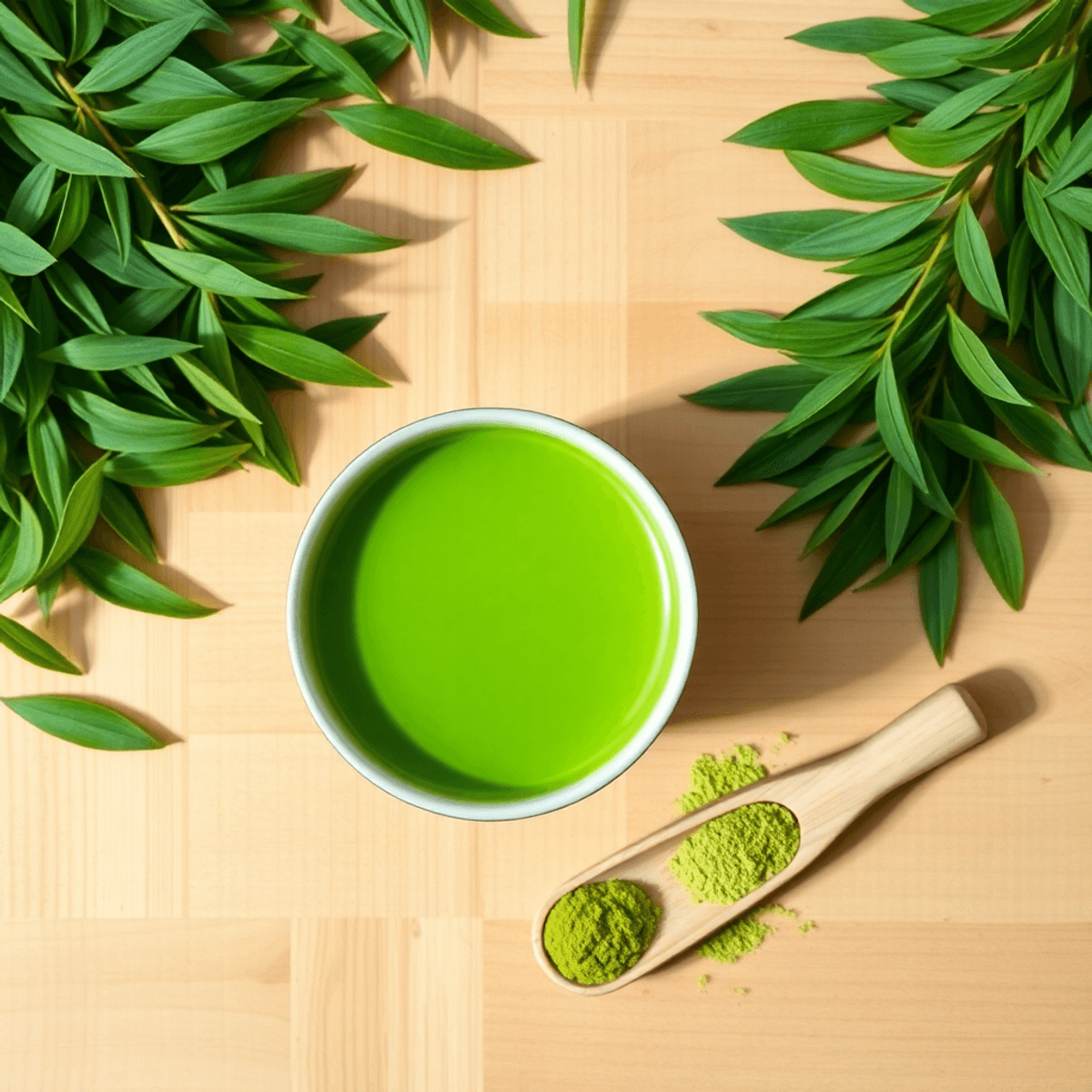
Matcha is now very popular in the world of health and wellness. A lot of people think it is a must-have for getting natural energy and antioxidants. This green tea powder is finely made. It is known for its bright color and strong taste. People talk a lot about the health benefits that come with it. Nutrition fans and those who just like tea are interested in matcha.
As more people start to like matcha, many ask: how much matcha per day is safe to have? People want to feel the good effects of matcha without worrying about bad side effects from drinking too much. This question comes up because matcha is strong. It has more caffeine and nutrients in each cup compared to regular green tea. That is why it is important to think about the right amount to use.
In this article, we will talk about safety tips and how much matcha you can drink each day. This will help you feel good about adding matcha to your daily routine. By knowing about these limits, you get the most out of matcha and keep away any risks from drinking too much.
Matcha vs. Regular Green Tea: Understanding Potency
When you look at matcha vs green tea, the main thing to know is how each one is made and used. Normal green tea is made when you put tea leaves in hot water. After a short time, you throw out the leaves. You get some taste, caffeine, and good things for your health in your cup, but a lot of the leaf is not used.
But with matcha, you take in the whole leaf. The leaves get turned into a fine powder. You mix this powder with water or milk. You drink all of it, so you get all the benefits that are in the leaf.
This basic difference leads to a clear change in matcha strength.
Whole-leaf consumption: Matcha gives you more things like antioxidants, vitamins, and minerals. This is because you drink the whole leaf instead of just water that has tasted the leaf.
Higher caffeine content: Matcha has much more caffeine than regular green tea. You can get about 35-70 mg of caffeine from just one gram of matcha powder. A cup of normal green tea has only about 20-45 mg, depending on how it is made.
Richer flavor: Matcha tastes stronger. This is because it is made in a way that pulls out more flavor.
Knowing this strength helps us see why the amount you take is more important with matcha powder than with regular green tea bags. When you drink several cups of brewed green tea, you might not get too much caffeine or too many nutrients. A lot of the leaf does not get used. But when you drink more than one serving of matcha, you take in much more of the whole leaf and its active parts with every cup.
You need to be mindful about how much you drink when having matcha because:
It gives more nutrition in each gram.
If you drink a lot, the caffeine can build up fast.
The way it works in your body, such as making you feel awake or causing side effects, goes up as you take more.
Knowing these differences helps you see why the safe amount of matcha each day is lower than what you might get from other green tea. Matcha is strong, so you need to watch how much you have. This is the way you get its good health effects and not take too much.
For people who are new to matcha, you can try many ways to enjoy it besides the usual ones. For example, you can try cold whisking for a cool iced drink. There are also different kinds of matcha for many uses. For example, you can use double matcha which is ideal for baking.
Moreover, when you get to know the origins and history of matcha, you can feel even more thankful for this drink. It is also good to say that while matcha is good for health in many ways, certain advantages may be more pronounced for men.
Why Serving Size Matters with Matcha Powder
Knowing the matcha powder dosage is very important. You need to pay more attention to it than regular tea. This is because you drink the whole leaf, but it is made into a fine powder. Each gram of matcha gives you a strong mix of all the leaf's nutrients. This includes things like catechins, chlorophyll, and vitamins. Because you take in more good stuff from matcha, you feel the effects more than when you drink normal green tea.
Key points about serving size matcha:
Whole-leaf use: Unlike regular green tea, where leaves are thrown out after you steep them, matcha powder has all parts of the leaf. This means you get more nutrients with each serving.
Careful measuring is important: Tea bags usually have the same amount of leaves each time you brew. With matcha powder, even a small change in scoop size can make big changes in how much caffeine and antioxidants you get.
Use the right tools: When you use things like teaspoons or digital scales, you help make sure you get the same amount each time. This stops you from taking too much by mistake.
Too much matcha powder can bring some risks.
A lot of caffeine can make you feel jittery. You may have trouble sleeping or feel sick to your stomach if you take more than the recommended amount.
A high level of catechins may make it hard for your body to get the full benefit from nutrients. It may also mix badly with some medicine if you take too much.
Using too much can raise your risk of side effects like headaches or feeling sick.
Paying close attention to your matcha powder dosage helps you get the most health benefits and at the same time, keeps side effects low. The amount you take each day is very important to make sure your matcha plan is safe and works well. There are also many tasty ways the people can add matcha to their food. For example, you could try it in a Matcha Marble Loaf. This can help you stick to the amount you should have each day and still enjoy what you eat.
How Much Matcha Per Day Is Actually Safe?
Safe Matcha Intake for Beginners
Starting with matcha can feel exciting, but you need to be careful so you do not face side effects. Nutrition experts say that beginners should start with about half a teaspoon. This is about 1 gram of matcha powder each day. A small amount like this helps your body get used to the strong caffeine and antioxidants. This way, you will not feel too much all at once.
Benefits of starting slow include:
Monitoring individual tolerance: Everyone metabolizes caffeine differently. Starting with 1 gram lets you see how your energy levels, sleep, and digestion change.
Reducing risk of side effects: You may feel shaky, have a headache, or feel sick if you drink too much matcha at once.
Building a sustainable habit: If you slowly drink more, you can keep a steady routine. This helps you enjoy matcha without big changes getting in the way.
To increase your matcha intake safely:
Wait one to two weeks after you start the first amount before you add more.
Add a little more each time—0.5 grams (about a fourth of a teaspoon).
Write down how you feel. You can look for any changes in your mood, your focus, or your sleep.
Stop adding more if you feel bad or feel like you have too much energy.
This slow approach is good. It takes care of your body and does not do what many people do, which is think more is always better. You should keep in mind that matcha is strong so knowing the right amount to use is very important for your safety and for getting the best results.
Most experts in nutrition say the safe daily matcha intake for someone new is 1 to 2 grams. If you stay in this range, you can get the most health benefits from matcha and lower your risks from having too much.
For more facts about the benefits of matcha, including some that are great for women as you read in this article on matcha benefits for women, or to see why a matcha latte can be better than your coffee, there are a lot of resources that can help you know and enjoy this green tea powder.
Daily Matcha Amounts for Experienced Drinkers
Experienced drinkers of matcha often look for advice on the safe amount of matcha to have each day while getting all its good effects. Most nutrition experts say that healthy adults can have 2 to 3 servings a day. This is about 4 to 6 grams of matcha powder. This matches the usual amount of caffeine and antioxidants people get from research studies.
Here are some main things to know about safe daily matcha intake for people who drink it often:
Serving size: Each serving has about 2 grams of matcha, so having 2–3 servings gives you 4–6 grams each day.
Nutrient concentration: Matcha gives you many nutrients and antioxidants because you use the whole leaf, so these amounts help you get a strong but steady amount.
Caffeine considerations: With these servings, the caffeine from matcha is about 70 to 140 mg, but it can change based on the kind of powder and the way you make it.
Nutrition experts give these tips by looking at the good and bad effects, like how it can make you feel shaky or bother your stomach. It is important to listen to your body’s signals because individual caffeine sensitivity is not the same for everyone. Some people can have more caffeine and feel fine, but others need to keep it low.
If you see signs like being irritable, trouble sleeping, or your heart beating fast, it would be good to have less of it even if you use it a lot. You can change the amount you use or spread it out over the day to help with these problems.
This way lets you enjoy how strong matcha is and think about how each person reacts to it. People who have been drinking it for some time and who pay attention to how much they have, can get more energy and all the good things matcha gives. They stay safe by keeping to the amounts that are said to be okay.
It's good to keep in mind that excessive consumption can be bad for your health. So, it's best to not have too much.
Understanding Caffeine Content in Matcha
Matcha Caffeine vs Coffee: A Side-by-Side Comparison
Caffeine in matcha is not the same as the caffeine in coffee. It has a different effect on the body, and it lasts for a different amount of time. A standard serving of matcha, which is about 1 gram or half a teaspoon, has around 25 to 35 mg of caffeine. This is lower than an 8-ounce cup of coffee. That cup usually has about 95 mg of caffeine.
Here are the key differences between the caffeine in matcha and coffee:
Coffee’s Caffeine Boost:
Coffee has caffeine that gives you a fast, strong lift. This can make some people feel shaky or feel a quick drop in energy later. On the other hand, matcha has caffeine too, but its boost is smoother and comes on slower.
How Long It Lasts:
The pick-me-up from coffee comes fast and may fade away in just a few hours. This sometimes leaves people feeling tired later. With matcha, your energy stays steady for a longer time. There are no quick ups and downs like with coffee.
L-Theanine in Matcha:
Matcha is rich in L-theanine. This is something coffee does not have. L-theanine works together with caffeine in matcha. It helps you feel calm but also awake, so you feel alert but not nervous or shaky. Most people feel more focused from this mix, without the jumpy feeling or worry you sometimes get from coffee.
Why this is important for how much matcha you have each day:
Because the caffeine in matcha works in a smoother way and lasts longer, you may feel like you do not need as many cups to keep your energy up as you would with coffee. This gentler caffeine feel means that even though matcha has less caffeine in one serving, it can still give you a good boost without making you feel too wired.
Considerations when comparing:
Aspect | Matcha (1g serving) | Coffee (8 oz cup) |
Average Caffeine | 25–35 mg | ~95 mg |
Onset | Gradual | Rapid |
Duration | Sustained (4–6 hours) | Shorter (2–4 hours) |
Additional Compounds | L-theanine (calming agent) | None |
Common Effects | Calm alertness | Quick energy spike |
Knowing these differences can help you choose how much matcha to use each day. You can do this based on your caffeine use and the kind of energy you want. If you are not used to strong drinks, but still want to feel sharp and stay focused, matcha can be a good choice instead of coffee. For those who want this, matcha's gentler caffeine effect gives a soft and steady feel. This makes it good for people who want a smoother energy feel.
It is important to know the side effects of drinking matcha, like how it can sometimes give you stomach problems if you drink too much. So, it is best to have it in small amounts when you add it to your diet.
Also, if you want to try new ways to use matcha besides how people usually drink it, you can check out some tasty recipes like Matcha Pistachio Cream Tart.
The Role of L-Theanine in Moderating Caffeine Effects
Matcha is different from other drinks that give you energy because it has both caffeine and L-theanine in it. L-theanine is an amino acid found in tea leaves. When you put these two together, you get a different feeling than the one you get from coffee or normal green tea.
1. Caffeine Content in Matcha
Each gram, which is about half a teaspoon, of matcha powder has between 30 to 80 mg of caffeine. The amount depends on how much powder you use and how you make it. A normal cup of matcha falls in this range. Green tea has about 25 to 30 mg of caffeine in one cup. A cup of coffee has around 95 to 120 mg.
2. Gentler Caffeine Effect
L-theanine, which is in matcha, changes the way caffeine works in your body. With matcha, you do not feel a quick or jittery jump like you sometimes get from coffee. The caffeine in matcha gives you a smoother and softer lift. That happens because L-theanine helps you feel calm but does not make you feel sleepy.
3. Synergy Between Caffeine and L-Theanine
L-theanine helps by boosting alpha brain waves in your brain. This is tied to feeling calm but awake at the same time. When you use it with caffeine, you get steady energy. You feel sharp and awake, but you do not feel the highs and lows that some other stimulants cause.
4. Impact on Safe Daily Intake
Because there is L-theanine in matcha, it helps calm the effects of caffeine. Many people feel that they can drink matcha better than coffee, even though both have caffeine. The way these two work together impacts how much matcha you can drink in one day. It lets you have a good amount without it making you feel too hyped up.
5. Practical Takeaway
If you get nervous from coffee but still want its boost, matcha can be a good choice. Matcha gives you a softer feel, mostly because of L-theanine.
This way, you can drink it several times a day. You will not feel the jumpy feeling or have trouble sleeping that coffee brings for many people.
When you know how caffeine and L-theanine work together, it makes sense why the way matcha gives you energy feels different. This is also why you need to think about your best amount of matcha to have each day.
How Much Matcha Per Day to Lose Weight?
Matcha has got a lot of attention from people who want to manage their weight. People say it can help with burning fat and boosting your metabolism. If you want to know how much matcha per day you should have for weight loss, you need to look past the hype and think about the real benefits.
Exploring Weight Loss with Matcha
Here is how matcha can help with weight control:
EGCG (Epigallocatechin gallate) is the main thing in matcha that is linked to weight control. This strong antioxidant may help your body burn more fat when you work out or move during the day.
Some studies say that if you have matcha often, it can make your body's process of burning energy a little faster. These effects are small and work best if you also eat healthy foods and get some exercise.
The caffeine in matcha adds to making the body use more energy. This can help the body burn more calories.
How Much Matcha Per Day for Weight Loss?
Most studies suggest that it is safe to have about 1 to 2 teaspoons (2 to 4 grams) of matcha powder each day. This amount should give you enough EGCG and caffeine for good results but not cause side effects like feeling shaky or having an upset stomach. If you drink more than this, you will not get better or faster weight loss. The way the body responds stops going up at some point. Having too much can lead to bad side effects.
Caution Against Excessive Intake
Drinking too much matcha because you want fast weight loss can go wrong. Taking high amounts can lead to problems like trouble sleeping, headaches, or an upset stomach because of the caffeine. Losing weight depends on you making long-term changes in your life. Using just a lot of matcha by itself will not be safe or work well. Watch how your body feels when you first start to use matcha. Change how much you use if you feel any bad effects.
Matcha can help with weight if you use it as part of a whole plan, not as a quick fix. Knowing how much matcha per day is safe for you will help you keep a balance between good and bad points.
Preparing the Perfect Matcha Latte Ratios
Making a matcha latte is all about finding the right mix of matcha powder and milk. This makes the drink taste good, feel smooth, and not be too strong or bitter. When you know the right amounts to use, you can make your latte how you like it and still get the good things from matcha for your health.
Recommended Matcha Powder Amounts
Use 1 to 2 teaspoons of matcha powder for each serving to get a good flavor. This is about 2 to 4 grams of matcha powder if you like to weigh things out. A smaller amount (1 tsp or ~2g) gives you a light matcha taste. This is great if you are new to matcha or want a lighter drink. A larger amount (2 tsp or ~4g) gives you a deep and strong taste. Choose this if you want your matcha drink to be more bold.
How Much Milk for Matcha Latte?
How much milk you use will change how your latte feels, tastes, and how creamy it is. A latte will have about 6 to 8 ounces (180–240 ml) of milk for each cup.
Standard dairy milk (whole, 2%, skim) mixes well with matcha. It makes the drink creamy but does not hide the light flavors of matcha. Whole milk gives you the thickest feel. If you choose milk without dairy, like almond, oat, soy, or coconut, they each change the taste and feel: Almond milk gives a nutty taste but is more thin. Oat milk brings a natural sweet taste and creaminess. It is much like dairy milk, so many people like it in a matcha latte. Soy milk is mild, and you can make foam with it. Coconut milk gives a taste like the tropics, but the rich flavor may cover up the light matcha taste.
Heating milk gently is essential
Try to keep the temperature close to 140°F (60°C). This helps keep nutrients in, and it will also keep the taste good. If you get the milk too hot, it can burn, and this makes it taste bad. If you use plant-based milks, heating them too much can make them separate or taste bad.
Matcha Latte Ratio in Practice
A simple starting point:
Matcha Powder | Milk Volume | Water Volume (Optional) | Notes |
1 tsp (2g) | 6 oz (180ml) | 1–2 oz (30–60ml) | Milder latte; add water for lighter body |
2 tsp (4g) | 8 oz (240ml) | Minimal | Stronger latte; use less water |
You can change the amount of water to get what you want. If you want a strong taste, use less water. If you like it lighter, just add more water.
Measuring matcha with teaspoons is good for daily use. But using grams gives you the same strength all the time. This is very important if you want to track your caffeine intake closely.
Trying different types and amounts of milk helps you find what you like most. This way, you can enjoy matcha lattes made just for your taste and what you need to eat or drink.
Also, do not be afraid to try recipes that are different, like Matcha Spinach Cheese Bake, Kale Matcha Power Smoothie, or even Matcha Red Bean Muffins!
Special Considerations for Pregnant Women and Sensitive Groups
When you want to know how much matcha you can drink each day, you need to think about the caffeine limits for pregnant women. The American College of Obstetricians and Gynecologists says women should not have more than 200 mg of caffeine each day while they are pregnant. One cup of matcha has about 60 to 70 mg of caffeine, so you can have up to 2 cups of matcha per day as the most you should drink if you are pregnant.
Potential Risks & How To Minimize Them
Drinking too much matcha can cause some side effects. This is mostly because of the caffeine in it:
Increased heart rate or blood pressure: A lot of caffeine can make your heart beat faster or raise your blood pressure. This is not good for those who are pregnant or people who feel things more than others.
Sleep disturbances: Having too much can make it hard to sleep well. This can hurt your health in general.
Iron absorption interference: Matcha has tannins that make it harder for your body to take in iron. This matters for pregnant women who need enough iron.
To minimize risks:
Try to spread out when you drink matcha during the day. Do not drink a lot of it all at once.
Do not drink matcha right before or after meals that have a lot of iron. Also, avoid it when you take folate supplements. This can help your body get the most from these nutrients.
Pay close attention to how your body feels when you drink matcha. If you feel nervous, sick to your stomach, or cannot sleep, have less matcha.
Pregnant women need to talk to their doctor before they add matcha to their daily food. People who do not feel good after having caffeine or those who have some health problems should be careful when they use matcha.
Knowing these risks helps you keep the good things about matcha. It also protects people who may be more at risk from bad effects that can happen if they take in too much.
Final Recommendations
Choosing good matcha is very important, the most for people like those who are pregnant or breastfeeding. It is best to go for ceremonial grade matcha if you can. This type has fewer extras and is cleaner. Good checks on the quality help you stay away from things that can harm you. You also get all the good parts of the antioxidants.
When you think about how much matcha per day is good to drink, it helps to remember that staying balanced is key. Most healthy adults can have 1 to 2 teaspoons of matcha each day. This is about 2 to 4 grams. A serving like this can help you feel more focused, get more antioxidants, and help your body’s energy. It will also keep you safe from any bad effects.
Different people handle things like caffeine in different ways. This can be because of things like how much they weigh or how healthy they are. It helps to pay close attention to your body. Watch things like your energy, how you sleep, and if your stomach feels good. Write down what you notice when you have different amounts. See what works for you before you decide to have more.
People with some health problems should talk to a doctor before they drink more matcha. This is very important for people who take blood thinners or worry about low iron. Matcha has things in it that may change how your body works with some medicine or how it takes in vitamins and minerals.
Summary safe matcha intake guidelines emphasize:
Put more focus on good quality than how much you have, to get the most from it.
If you are new to matcha, start with a small amount. Go up slow as you get used to it.
Try to keep how much you have each day between 2 and 4 grams.
Change how much you take in based on how you feel after having caffeine.
Do not take too much or it may make you feel shaky or not able to sleep.
When you drink matcha in a safe way and stay within these limits, you get strong antioxidants, steady energy from the mix of L-theanine and caffeine, and can also get some help with your body’s systems. If you stay aware of your own limits, matcha can go from just a popular drink to something that can help you feel good over time.
FAQs (Frequently Asked Questions)
How much matcha per day is considered safe for beginners?
If you are new to matcha, you should start with about half a teaspoon. This is about 1 gram. It is good to start slow, because it helps you see how your body reacts. Then, you can slowly have more if you feel good.
What is the difference between matcha and regular green tea in terms of potency?
Matcha is made by using the whole tea leaves. These are ground into a powder and mixed in water. Because of this, you get more nutrients and more caffeine than with green tea that you let sit in hot water. Because there is more caffeine and nutrients, you should pay attention to how much matcha you use.
How does caffeine content in matcha compare to coffee and regular green tea?
A cup of matcha has around 30–80 mg of caffeine for each gram. This is more than what you get in regular green tea, which has around 25–30 mg for each gram. But it is still less than what coffee has because coffee usually has 95–120 mg for each gram. The L-theanine found in matcha helps balance the caffeine, so you feel calm and alert at the same time.
Can drinking matcha help with weight loss, and how much should I consume?
Matcha can help with weight control. But you should not eat or drink too much of it if you want fast results. It is good to keep your matcha use within safe limits each day. One to two servings, or two to four grams, with a good diet is best.
What are the recommended ratios for preparing a perfect matcha latte?
For a good matcha latte, you can use 1–2 teaspoons (about 2–4 grams) of matcha powder. Mix it with the amount of milk you like. You can use dairy milk or try almond or oat milk instead. Make sure the milk isn’t too hot. This will help keep in the good things from your drink.
Are there special considerations for pregnant women regarding daily matcha intake?
Yes, pregnant women need to keep the amount of caffeine they have to less than 200 mg a day. That is about two cups of matcha. It is good to pick high-quality matcha. It is also smart to drink only a small amount at a time. Try not to have matcha with meals that have a lot of iron or when you take your folate pills. This way, you can lower risks for you and your baby.


Comments
Post a Comment