Matcha vs Matcha Latte: The Real Difference (2026)
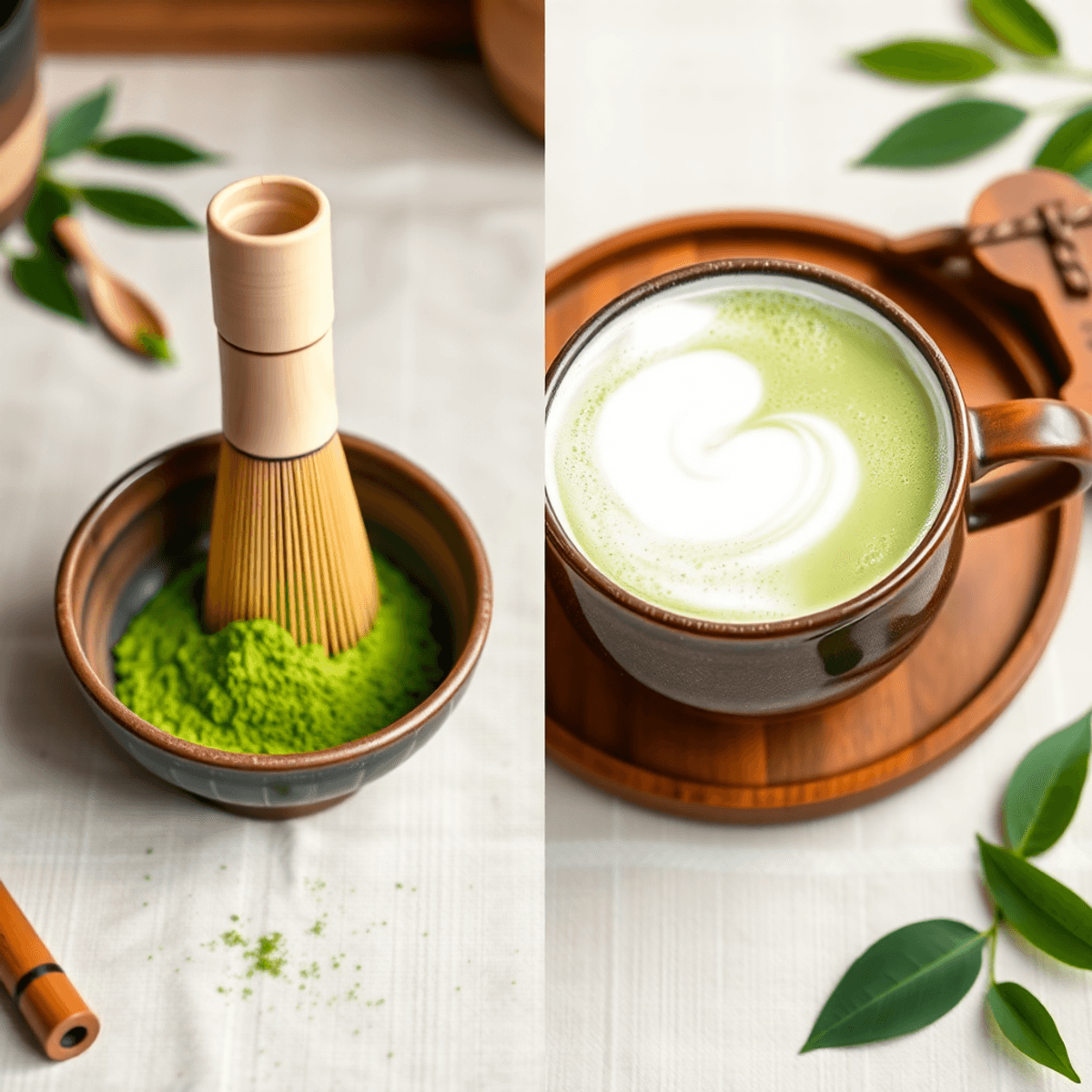
You have probably seen matcha and matcha latte at cafes, on menus, or in the store. Both be made with the same bright green tea powder, but the taste and feel are not the same. This article looks at the difference between matcha and matcha latte. It tells you what makes traditional matcha stand out next to its rich, modern drink.
In this article, we will explore:
What makes traditional matcha stand out in how it is made and how it tastes?
How does adding milk change the drink into a matcha latte?
Why do feel, culture, and caffeine work in different ways in these two drinks?
If you want to know more about matcha vs matcha latte beyond just how they taste, this guide will help you. You will read about their history, rituals, and what goes into each one. You will also see how each drink can affect your body.
Matcha isn’t just a drink—it’s a ritual.
A latte? That’s comfort in a cup.
This will help you get the knowledge you need to pick the green tea you like best or wow your friends with facts about these two drinks. But, there is more. Matcha does not have to be only a drink. You can use it in many types of food, like the Thai Lod Chong Crepe Cake, to show how it fits in with food from all over the world.
Understanding the Basics
When you think of green tea drinks, the traditional matcha and the matcha latte stand out. Both of these drinks start with matcha, the bright green powdered tea. But the way you make them and how you enjoy them is not the same.
What is Traditional Matcha?
Traditional matcha is pure green tea that comes from tea leaves ground into a fine, bright green powder. To drink it, you whisk the powder with hot water. This gives you a strong tea taste. There are no extra things added. People do not use milk or other things, so you get the real taste of matcha.
What is a Matcha Latte?
A matcha latte mixes this bright green powder with hot milk, which can be from a cow, or made from plants like oat or almond. The milk turns matcha into a rich and smooth drink. This helps make the matcha taste less strong and bitter. People also add some sugar to make it taste better, and it is served in a cup like the ones used for coffee lattes.
Key Differences in Preparation Style
Here are the main ways that making traditional matcha and matcha lattes are different:
Traditional Matcha: You need to use matcha powder with hot water. Start by sifting the powder. Then whisk it hard with a bamboo whisk (chasen). Try to make a light foam on the top.
Matcha Latte: You steam or froth milk first and keep it aside. Then you add it to sifted matcha powder. Mix this gently, so you don't have to whisk it hard.
Consumption Context
The way people use traditional matcha and matcha lattes is not the same:
Traditional matcha has a deep place in Japanese culture. People often drink it during special times or ceremonies, where they focus on how it tastes, smells, and feels.
Matcha lattes are a good choice for today’s way of living. You can find them in many cafés around the world. People like them because they feel good, are easy to make, and are great to have in relaxed places.
This text looks at green tea drinks. It shows how they both use the same main thing—matcha powder. Still, you can get two very different drinks. These drinks are good for people who like different tastes and times.
What Is Traditional Matcha?
Traditional matcha is green tea in powder form. It is made by grinding tea leaves into a very fine, bright green powder. This tea has no sugar, milk, or anything else added to it. There is only pure tea leaf. You get the strongest taste with this type of matcha. This is what makes traditional matcha different from drinks like the matcha latte.
The Art of Preparing Traditional Matcha
To really see the beauty of traditional matcha, you have to know about the steps that go into making it. Each step is done with care to make sure the taste is at its best:
Measuring: The right amount of matcha powder is taken with a bamboo scoop called chashaku.
Sifting: To keep out lumps and get a smooth feel, you sift the matcha through a fine mesh.
Whisking: Add hot water (not boiling) to the bowl. Use a bamboo whisk, or chasen, to whisk the mix fast, moving like an "M" or "W" until it gets frothy.
Serving: Pour the matcha you made into a cup or bowl, and then drink it.
The Experience of Drinking Traditional Matcha
When you hold a bowl of traditional matcha tea, you see a bright green powder. This powder shows the heart of Japanese tea culture. Making the tea takes careful steps. You need to turn the powder into a smooth drink. At the end, you get a thin, silk-like drink. A light foam sits on top.
The Flavor Profile of Traditional Matcha
The flavor of traditional matcha has many layers and is not simple.
Umami richness: A full, savory taste that helps set matcha apart from other teas.
Vegetal notes: Fresh tastes that can remind you of spinach or seaweed.
Subtle bitterness: A light sharp taste that works with the sweetness you find in the leaves.
This mix gives you a taste that lets the natural feel of the tea come through. It does not lean on added things like sweet or creamy flavors. When you look at a matcha latte, milk makes it feel smoother and adds sweetness. A classic matcha, however, lets you enjoy how pure green tea is. No milk or sugar is used, so you feel the strong green taste of the leaves in every sip. This brings you closer to the long history of Japanese tea customs.
Why Choose Traditional Matcha?
The thin feel and rich taste of traditional matcha set it apart from other green teas. When you drink this tea, you do more than just have a cup. You take part in matcha as an art and a practice. It is a way to be mindful and show respect for the simple parts of nature.
This pure powdered green tea is used every day in Japan. It also stands for a special part of their customs. Knowing this helps you see why people talk about matcha tea vs matcha latte. They often focus on what is real to the drink and what has changed, both in taste and in feel.
Interestingly, traditional matcha can be a good choice for people who want a new way to feel more awake. It can be used in many ways and is now used in baking. You can read about this with the best double matcha for baking. On hot days, you can make matcha cold and frothy by cold whisking, which gives you a cold effect.
The Origins of Matcha in Japanese Tea Culture

The history of matcha is closely linked to Zen Buddhism in Japan. Zen Buddhist monks brought powdered green tea to Japan in the 12th century after they got it from China. It soon became an important piece of life in the monastery. People valued matcha because it helps with being awake but also staying calm during their practice.
The Birth of the Japanese Tea Ceremony
This connection led to making the Japanese tea ceremony, called chado or sado, which means "the way of tea." This practice is all about how people get matcha ready, serve, and drink it. Each move in this practice is done with care. It stands for harmony, respect, purity, and a sense of peace. Here, matcha is not just a drink. It is a way to help people feel calm and be in the moment.
The Ritualistic Preparation
The ritualistic preparation includes:
Sift the matcha powder, so it is smooth.
Warm and clean the tea tools.
Whisk the matcha carefully with a bamboo whisk (chasen).
Show respect while giving the bowl before you drink it.
Chado is about finding value in simple things and knowing that nothing lasts forever. It is a way to feel the calm thinking of Zen with your senses.
The Cultural Significance of Traditional Matcha
The meaning of matcha in culture is more than just the taste. Drinking traditional matcha like this helps:
Mindfulness—help people pay attention to each step and each sip
Connection—bring the host and guest together by showing respect
Ritual—make a simple practice that helps the mind feel calm
This mindful practice is very different from new drinks like the matcha latte, which focus more on being easy to make and offering many flavors than on the old ways. Knowing the background of matcha helps you see why the classic style is still respected and not just thought of as a new, popular drink.
In exploring Matcha Latte vs Matcha, you can see that the two are made to be used in different ways. One is part of an old spiritual practice that has been around for a long time. The other has been changed to fit new tastes and the way people live now.
The Versatility of Matcha
Moreover, matcha is very useful. You can add it to many recipes, not just tea. It is good in matcha-infused baked goods, power smoothies, or even sweet treats like red bean roll cakes.
There are many ways to use matcha, and people enjoy its benefits in all of them. Every new recipe shows the love people have for matcha. It also helps to bring matcha to those who have many different tastes.
How Traditional Matcha Is Made
Making traditional matcha is a practice that needs care and respect for old ways. This helps bring out the tea's taste and smell. The steps use careful skills and thoughtful actions. People have been doing it this way in Japan for many years.
Step-by-step preparation:
Warming the bowl
Pour hot water into the tea bowl (chawan) so it gets warm. This helps the bowl keep its heat during whisking and while you drink. After a minute or two, pour out the water and dry the bowl well.
Sifting matcha powder
Use a fine mesh sieve to sift 1 to 2 grams of matcha powder into the warm bowl. Sifting takes away lumps and helps make the tea smooth without any clumps. This is an important step, as matcha can get lumpy because it is so fine.
Adding hot water at ideal temperature
Pour about 70–80 ml of hot water that is heated to around 70–80°C (not boiling) over the powder. If the water is too hot, it can burn the leaves and give a strong, bitter taste. Not-so-hot water brings out the good sweet and umami flavors.
Whisking using the chasen technique
Take a bamboo whisk called a chasen and
The chasen skill needs practice to get the right feel and speed. This helps make good foam without over-whisking. If you whisk too much, it can ruin the feel and taste of the matcha.
Each step is important. You start by warming the bowl, then sifting matcha powder
. You also need to check the water heat and get better at using the whisk. All these work together to give you a true matcha feel that comes from old ways done the right way.
Ceremonial Grade vs Culinary Grade Matcha
The quality of matcha powder is very important for the way it tastes and how you can use it. There are two main types: ceremonial grade matcha and cooking grade matcha. Knowing how they are not the same can help you choose the right matcha for your needs.
Ceremonial Grade Matcha
Ceremonial grade matcha is known to be the best type of powder. It is made from young leaves of the tea plant. Here’s what makes it different:
Vibrant green color: The bright green shows that this tea is fresh and handled with care.
Delicate flavor: It has a light umami taste with some sweetness and a mild, green feel.
Fine texture: The powder is very soft and smooth. You can mix it well into a pure tea.
No additives needed: This kind of matcha is made for you to drink as it is, with nothing extra added.
Traditional methods: Ceremonial grade matcha is best for old ways of making tea, like the Japanese tea ceremony, when only the highest quality is wanted.
Culinary Grade Matcha
Culinary grade matcha comes from the older leaves or the ones that grow lower down on the tea plant. Here’s what you should know about this kind:
Darker green color: It can have a dark green shade. Sometimes, it may look a bit yellow too when you compare it to ceremonial grade.
Stronger taste: The flavor is more bitter. It does not feel as smooth or subtle as ceremonial grade.
Can mix with other things: It has a strong taste. Because of this, you can add it to milk or sugar, and it goes well with other things.
Lower price: Culinary grade matcha is usually cheaper. This is because people often use it in cooking and not just for drinking straight.
Impact of Matcha Grade on Taste Intensity and Suitability
The type you pick, either ceremonial or another grade, will change how strong the taste is and the best way to use your matcha.
Ceremonial grade gives you a smooth and full flavor that makes you want to take your time and enjoy its rich, natural taste. It is best when you just mix it with hot water, so you can taste all its light and good parts.
Culinary grade has a stronger taste that goes well with milk or milk from plants. Its bold flavor helps it stand out even when you add sugar or cream to drinks like lattes or use it in recipes.
Choosing the right quality of matcha powder will help you get a real traditional taste or a mix-in that is good for many modern drinks. This choice is very important. It helps you know how ways to make pure matcha are not the same as those for matcha latte.
What Is a Matcha Latte?

A matcha latte is a milk-based green tea drink that people make by mixing matcha powder with steamed or frothed milk. This drink is a newer version of the usual matcha tea. It turns that simple tea into a smooth and rich drink. For a matcha latte, you use milk instead of just hot water. People often choose dairy milk or plant-based options like almond, oat (like in this Oatly matcha latte), or soy milk.
Key characteristics of a matcha latte include:
Creaminess: When you add milk, it cuts down the natural bitterness you get from pure matcha.
Texture: Steamed or frothed milk gives the drink a smooth feel. It makes the drink feel thicker and richer than regular matcha.
Flavor balance: Milk brings a light sweetness to the drink and smooths out both the green taste and umami flavors of matcha.
The idea of the latte comes from Italian coffee customs. A latte was first made by mixing coffee with steamed milk. Now, there are drinks like the matcha latte that do not have any coffee. This way of making drinks is good for people who feel that plain matcha is too strong or has a bitter taste.
Comparing matcha latte vs matcha
When you compare matcha latte vs matcha, you will find the latte gives you:
A tea that is not as strong.
A taste that feels more like a sweet treat.
More ways to enjoy it by changing the milk or adding any sweet taste.
Comparing chai latte vs matcha latte
When you think about chai latte vs matcha latte, you will see both are teas mixed with steamed milk. They both can have spices or flavors. But there are some differences between them.
A chai latte starts with black tea. The tea gets mixed with spices like cinnamon, cardamom, and cloves.
A matcha latte shows off the green tea powder’s fresh taste and its rich feel. It does not have any added spices.
People often ask, is matcha latte still good for your health? It still has many antioxidants from matcha powder. There are also some benefits for women and some for men.
But if you add sugar or flavored syrup, it can change what you get from the drink. If you pick plant milk without sugar, or just use a small amount of sweetener, your drink stays much better for you.
Also, L-theanine found in matcha helps give some good health effects. read more about L-theanine benefits
https://greenmatchaclub.blogspot.com/2026/07/l-theanine-benefits-why-matcha-beats.html
Knowing what makes a matcha latte special helps people see how this drink is a good choice in cafes today. It offers comfort, just like other teas, and brings something fresh to people who like new things and new ways to enjoy tea. You get a bit of old tea tradition and new flavor together. Also, when you read about the benefits of a matcha latte, you may enjoy this drink even more.
Preparation Differences Between Matcha and Matcha Latte

Making a matcha latte and making traditional matcha are not the same. They use different methods, and this will change how the drink tastes and feels.
Traditional Matcha Preparation
Sifting: Start by sifting the matcha powder. This helps get rid of any lumps. Doing this makes the tea smooth.
Water Temperature: Use hot water at about 70–80°C (158–176°F). If the water is too hot, it can burn the gentle powder. A cooler temperature helps keep the flavor.
Whisking: Whisk hard with a bamboo whisk (chasen) in a zigzag motion. Keep whisking until you see a layer of tiny foam on top. This gives matcha its soft feel and froth.
Serving Vessel: It is usually served in a warm tea bowl. A warm bowl makes drinking matcha feel special.
Ritualistic Aspect: Every step is done on purpose and with care. From warming the bowl to whisking, these actions help create the feel and style of making matcha in the old way.
Matcha Latte Preparation
Milk Steaming/Frothing: Milk, either dairy or plant-based, is heated or whipped on its own to give it a thick, smooth feel. This is an important step to give a latte its special body.
Matcha Step: The matcha powder is passed through a strainer and mixed with a little hot water or milk to create a soft paste with no lumps. This is done before adding the milk.
Blending: The smooth matcha is mixed with the steamed or frothed milk. Some people use an electric milk frother or a blender to mix everything well.
Easy and Quick: A matcha latte can be made faster and it’s great for relaxed places, such as cafés or your home. You do not need to worry much about the water heat or whisking, unlike when making matcha the old way.
Matcha Milk Tea vs Matcha Latte: People sometimes call both the same thing, but "matcha milk tea" often means the cold drink with sugar and ice, while "matcha latte" is about warm milk and matcha mixed together.
Key Contrasts
Aspect | Traditional Matcha | Matcha Latte |
Base liquid | Hot water only | Steamed/frothed milk |
Whisking tool | Bamboo whisk (chasen) | Electric frother or spoon |
Texture focus | Thin, silky with microfoam | Thick, creamy, velvety |
Ritual involvement | High; slow, mindful preparation | Low; quick and casual |
Serving style | Served in tea bowl | Served in cup/mug |
The way you make these drinks is not the same. If you go with traditional matcha, you need to take your time. You will use simple steps that have a long history. This will give you pure tea and a good feel that many people love. On the other hand, matcha lattes fit better with how most people live now. You do not have to spend much time or give up the great taste of matcha. A matcha latte is easy to make, but you still get all that rich matcha flavor.
These differences show why it is important to know how you make each drink. This can help you choose between them.
Flavor Profile Comparison: Matcha vs Matcha Latte
To understand the flavor difference between matcha and a latte, you need to know what makes each one taste the way it does. Pure matcha has a strong umami taste. It is also fresh, giving you the flavor of greens or seaweed.
The Complex Flavor Profile of Pure Matcha
This complex flavor profile includes:
Umami: A rich, savory taste that makes matcha stand out from other teas, coffee matcha latte, or chai.
Fresh grassy taste: A green, a bit sweet note that is balanced with a little hint of a sharp taste.
Light sweet note: High-quality matcha has soft sugars that give a sweet touch to go with its earthy feel.
Gentle sharpness: It gives matcha something extra, but it still feels smooth if made the right way.
The Transformation of Flavor in a Matcha Latte
A matcha latte is different from plain matcha because there is milk added. This can be dairy or a plant-based milk. With milk, the drink is sweeter and creamier. The milk gets rid of much of the strong taste from matcha. It makes the drink taste more like a treat and less like strong tea. Many people who want a softer tea like this taste.
Some things you notice about the flavor of a matcha latte are:
Smooth feel: Steamed milk gives the drink a thick and soft feel. It makes you feel like you are having a special treat.
Mild sweetness: Milk helps take away the strong green taste. It does not cover up the taste of the tea, but keeps things even.
Gentler salty taste: The rich flavor is there, but it is not as strong as when you drink plain matcha.
Sweet treat feel: People often like to add sugar or vanilla to this drink. This makes it stand out from a regular cup of tea.
How Milk Changes Taste Perception
Looking at coffee matcha latte vs matcha shows how milk changes the feel and taste. Both drinks have caffeine. The latte has a smooth, rich feel that is like what you can get at a café. People usually like to take their time enjoying it. Pure matcha shows off the fresh, clear taste of tea without anything else getting in the way.
Matcha vs chai also shows this well. Chai mixes many spices with black tea and milk for a strong, spicy-sweet taste. Matcha lattes are more mild and creamy. They do not have a lot of spice layers.
Choosing between these two comes down to what you feel like and what you like to drink. Do you want the bold and strong taste of the usual matcha? Or do you feel like having the soft and smooth feel of a matcha latte? Both give you their own kind of taste, but they start from the same bright green powder. You will taste them in very different ways.
Texture and Mouthfeel Differences
The texture of traditional matcha is known for being smooth and soft. When you whisk it the right way, you will see a thin layer of light froth on top. This makes the drink feel easy and gentle in your mouth. The froth is not strong, but it makes the drink feel lighter and better to sip. The rest of the matcha stays thin, so it glides over your tongue and lets you taste all the strong, green and umami flavors.
When you make a matcha latte, adding steamed or frothed milk changes how the drink feels. The milk makes the drink thicker and richer. The foam on the top is heavier and more like what you find on a cappuccino or flat white, instead of the light microfoam on regular matcha. This creamy feel helps soften how strong the matcha powder can taste. Each sip is smoother and easier to enjoy.
Traditional Matcha
A thin, smooth drink with a light and cool feel
There is a light and soft foam on top
It shows the pure and clear look of the tea
Matcha Latte
Thick and rich feel with a soft and full taste
Dense steamed milk foam, like you get in a cappuccino or flat white
Gives you a feel of comfort, almost like a sweet treat
Knowing this difference in feel shows a lot about how each drink fits a time or what people like. With traditional matcha, you take slow sips. You enjoy its smooth feel and rich taste. A matcha latte is creamy and soft. It gives you a drink that is easy to drink and feels more full.
This textural change shows an important part of the Matcha Latte vs Matcha debate. It is about what you think is more important. Do you want purity and tradition, or do you want comfort and how easy it is?
Caffeine Content and Effects in Matcha vs Matcha Latte
Both traditional matcha and a matcha latte give about the same caffeine. You will get around 60 to 70 milligrams of caffeine in one serving. The amount can go up or down based on how much matcha powder you put in. Most cups have about 1 to 2 grams of matcha powder.
How Caffeine Affects Your Body
How you make your matcha can change how fast the caffeine works in your body. Here is what you need to know:
Traditional Matcha
When you make it with just hot water, your body takes in caffeine quickly. If there is no milk or other things in it, your body can deal with caffeine even faster. This means you may feel more awake and get more energy sooner.
Matcha Latte
Adding steamed or frothed milk, like dairy or plant-based milk, changes how your body takes in caffeine. The milk proteins and fats mix with the caffeine, which slows down how fast your body takes it in. This gives you a more gentle and steady feel from the caffeine. A lot of people think this feels less jittery or strong than just drinking straight matcha.
Why Milk Changes Caffeine Absorption
Milk affects the digestive process by:
The stomach takes more time to empty.
Proteins and fats hold on to caffeine molecules.
The strong effects of caffeine feel less sharp.
People who feel the effects of caffeine more can like matcha lattes, as the way matcha works in the body is slower. This makes it feel softer on the nerves and still gives steady energy over time. But be aware that having too much matcha may lead to some side effects, so it's best to not go overboard.
Practical Takeaways for Your Matcha Choice
If you want a quick and focused boost of energy, traditional matcha is your best bet. This pure form gives caffeine fast without watering it down.
For a smoother and longer boost that also goes well with a thick feel and a bit of sweet taste, matcha latte is a great pick. Milk makes the taste softer and lessens the hit of caffeine.
Knowing how caffeine in matchas drinks works with different ways you make it can help you get what you want during your day. You can use it for clear thinking when you work, or for comfort when you want to relax.
Comparative Analysis: Matcha Latte Vs Other Popular Tea Lattes
Chai Latte vs Matcha Latte
Exploring chai latte vs matcha latte lets you find two very different flavors. A chai latte gives you a warm drink with spices like cinnamon, cardamom, ginger, and cloves. You feel this spiced warmth in every sip. A matcha latte has a sweet and smooth feel. The taste from matcha powder is strong and green, but steamed milk makes it soft and nice. Chai has strong, bold spices that make many people feel good and cozy when they drink it. Matcha lattes feel fresh and light, with the milk making everything smooth and easy to like.
Green Tea Latte vs Matcha Latte
The main thing that sets green tea latte vs matcha latte apart is the kind of tea used. A green tea latte usually has brewed green tea bags mixed with milk and sweetener. This drink will be lighter in color and its taste will not be as strong. That is because it comes from tea leaves, not from the powder of the leaves themselves. Matcha latte uses vivid green, finely ground matcha powder whisked right into the milk. This makes the color brighter and the taste much stronger.
Aspect | Chai Latte | Matcha Latte | Green Tea Latte |
Flavor Profile | Spiced warmth (cinnamon, clove) | Creamy vegetal sweetness | Mild vegetal with light sweetness |
Tea Base | Black tea + spices | Pure powdered green tea (matcha) | Brewed green tea bags |
Texture | Creamy and spiced | Velvety smooth from frothed milk | Creamy but lighter body |
Caffeine Content | Moderate-high (black tea base) | Moderate (60–70 mg per serving) | Lower than matcha |
These things help you pick the latte that matches how you feel or what you want. Go for chai if you like strong spice that makes you feel good. Pick matcha latte when you want something rich and soft with a green taste. Choose green tea latte if you want something light and a bit sweet.
Key Differences Between Green Tea Latte and Matcha Latte
If you are looking at green tea latte vs matcha latte, the big difference is in how you make them and how strong they taste. A matcha latte uses whole leaf powder, so it gives you a rich drink. A green tea latte is made by letting the tea leaves soak in water, which makes a lighter and more gentle drink.
The Contrast Between Chai Tea and Matcha
The difference between chai tea vs matcha is not just about taste. It is also about where the drinks come from and how people feel after drinking them. Chai tea mixes black tea leaves with a lot of strong, warming spices. It gives people a bold flavor and a good amount of caffeine.
Matcha is not a blend. It is made from pure green tea powder. Matcha has a smooth flavor with deep taste and feel. The caffeine in matcha is released in a more steady way because of the L-theanine and other amino acids.
Cultural Contexts And Consumption Occasions Of The Two Drinks Types
The meaning we get from drink types like the traditional matcha and matcha latte shows how each is different in our lives and the way we enjoy tea.
Traditional Matcha: Ritual and Mindfulness
Traditional matcha is more than just a drink. It is a practice that is full of care and focus.
Has deep roots in Japanese life
Focuses on careful steps and drinking through the practice called chado or “the way of tea”
Reminds people to be here now and feel calm at each part, from warming the bowl to mixing the powder
Asks people to slow down, feel the moment, and use all their senses in peaceful places
Shows the ideas of respect, harmony, and purity, plus feeling peace—these are key to Zen Buddhism
Puts thought and being with others first during formal visits or when doing spiritual things
Matcha Latte: Casual and Contemporary Comfort
The matcha latte is different from the old way. It is made for people who want something quick and easy to enjoy.
This drink came from café culture seen around the world.
It can be hot or cold. A lot of people like it with milk, which can be dairy or plant-based.
It is made for people who move fast and want something quick that also has lots of flavor.
These drinks are easy to fit into your day. Many get one at a café with friends or grab it to go.
It mixes parts of East Asian tea culture with ideas from Western coffee shops.
The drink has new flavors like vanilla or cinnamon, so even those who do not usually drink tea may enjoy it.
Comparing Ceremonial vs Casual Consumption
Aspect | Traditional Matcha | Matcha Latte |
Setting | Tea rooms, meditation spaces | Cafés, homes, casual hangouts |
Purpose | Mindful ritual, spiritual focus | Refreshment, comfort, social drinking |
Preparation Time | Lengthy ceremonial steps | Quick steaming/frothing |
Cultural Weight | Deeply tied to Japanese heritage | Global trend with modern appeal |
Consumption Pace | Slow sipping encouraging reflection | Often consumed quickly |
You can see how culture shapes the way these drinks are made. It also shapes when and why people pick them. Traditional matcha gives an experience that feels full of culture. A matcha latte is easier to drink and fits well into daily life.
This choice also shapes how people think the food will taste. Do you want to keep it old-style with deep, rich umami? Or do you want something soft and smooth, with the fresh kick of green tea?
Choosing Between A Traditional Matcha And A Matcha Latte
Deciding if you want traditional matcha or a matcha latte can depend on what you want from your drink. Think about what you like and what fits in your life. Here are some things to keep in mind when you make your choice:
1. Flavor Intensity
Traditional matcha has a bold, full taste. It is rich in umami and tastes fresh, like green plants. There is also a soft hint of bitterness. This tea gives you the true taste from the tea leaves. Nothing is added or taken away. If you like strong and rich flavors and want to feel the real taste of green tea, you should choose traditional matcha.
The matcha latte makes the taste less strong by adding steamed milk. This brings a more smooth and sweet drink. This is good for people who want a drink that is more like a dessert or who want to hide some of the natural strong taste.
2. Preparation Time and Ritual
Traditional matcha needs you to be careful when you make it. You have to sift the powder first. Then you warm the bowl. After that, you whisk it with a bamboo whisk. This slow way of making matcha can help you focus and feel more thankful for the tea. But it also takes time and patience.
Matcha lattes can be made fast with the use of espresso machines or frothers. This makes them easy to have on busy mornings or when you stop by a café.
3. Cultural Appreciation vs Modern Trendiness
If you choose traditional matcha, you become part of a long history of Japanese tea culture. This practice is about being aware and calm. There is ceremony, and it follows simple ways. This is more than just a drink. It’s a way to feel the culture and the way of life.
Matcha lattes are seen as a new take on a loved drink. Many people enjoy them for their taste and the feel of comfort they bring. These drinks fit in well at many new cafés. They are good for people with different eating needs because you can also make them with milk choices that are not from cows.
4. Caffeine Experience
Both drinks give about the same amount of caffeine in each serving (around 60–70 mg). But the milk in lattes can slow down how fast your body takes in caffeine. This helps give you a softer boost of energy. With pure matcha, you feel a quicker jump in energy.
5. Matcha Grade Considerations
Ceremonial grade matcha is best when you use it the old way. This helps you enjoy its gentle taste. People use the other kind, called culinary grade, for lattes or food. This is because it has a stronger taste.
Your own way you like tea or lattes will help you choose between Matcha Latte vs Matcha just as much as the small ways they are not the same. Some people like to feel calm while drinking straight matcha during quiet times. Others might like a matcha latte as a good drink to help wake them up each day.
Reflect on what kind of experience you want—whether it’s embracing tradition or enjoying casual comfort—and let that lead your decision on which matcha drink suits you best.
It is interesting how this is like picking the kind of mask you want to use. Some people like silicone, and some like latex masks for different jobs. Both have their own good and bad sides. It is the same when you want to pick between the usual matcha and a matcha latte. What you choose often depends on what you need at that time.
For example, silicone vs latex masks shows how people make choices based on what feels good for them in that moment.
This is like if you want the bold taste of the classic matcha or feel like having the smooth and easy feel of a matcha latte. Both have their own feel and work for different people.
FAQs (Frequently Asked Questions)

What is the difference between traditional matcha and a matcha latte?
Traditional matcha is pure green tea powder mixed with hot water. You use a whisk to mix this powder. The drink is thin, smooth, and has a deep, rich flavor. There are also fresh, green notes in the taste.
A matcha latte is a bit different. You mix matcha powder with warm or foamy milk. The milk can be from cows or plants. This mix makes the drink feel more creamy and sweet. It also makes the strong, bitter taste of matcha feel softer.
How is traditional matcha prepared compared to a matcha latte?
Traditional matcha is made by sifting the tea powder to get rid of lumps. Then, you whisk the powder fast with a bamboo whisk in hot water, which should be around 70–80°C. This makes a smooth, foamy drink.
When you make a matcha latte, you steam or froth milk and mix it with sifted matcha powder. This way is faster and more relaxed than the old way of making matcha.
What are ceremonial grade and culinary grade matcha, and how do they affect taste?
Ceremonial grade matcha is higher grade. It has a bright green color and a gentle umami taste. This type is good to drink plain as the usual matcha. Culinary grade matcha is more bitter and not as high in quality. It works better when you use it for cooking or for lattes, because milk can help soften its strong taste. The grade can change how strong the taste is and what you use it for.
How do caffeine content and effects differ between traditional matcha and matcha latte?
Both traditional matcha and matcha latte have about the same amount of caffeine. Each serving can give you around 60–70 mg, but it depends on how much powder you use. When you add milk to the latte, it makes your body take more time to digest it. This means you feel a gentle and slower boost from caffeine, while drinking traditional matcha made with water gives you a faster boost.
What cultural significance does traditional matcha hold compared to the modern matcha latte?
Traditional matcha comes from Japanese tea culture and Zen Buddhism. It has a big part in chado, which means 'the way of tea.' This practice is all about being mindful and following the steps that have been done for years. People focus on the steps they take when they make it.
A modern matcha latte, on the other hand, is not the same. You can find it at a café and enjoy it anywhere in the world. It is a drink that people like to have for its taste and comfort, not because of any ceremony or practice.
How should one choose between drinking traditional matcha and a matcha latte?
Deciding if you want traditional matcha or a matcha latte comes down to what you like. Traditional matcha has a strong taste with pure umami flavor, while a matcha latte is more sweet with milk in it. You also need to think about how much time you have. Making traditional matcha takes more time and follows a set method. A matcha latte, on the other hand, is much faster to make.
If you really enjoy Japanese tea culture, you might go for traditional matcha. If you like the latest drinks you see in cafes, and want something easy to drink, you may want a matcha latte.


Comments
Post a Comment