No Whisk? Make Matcha Tea That’s Still Smooth
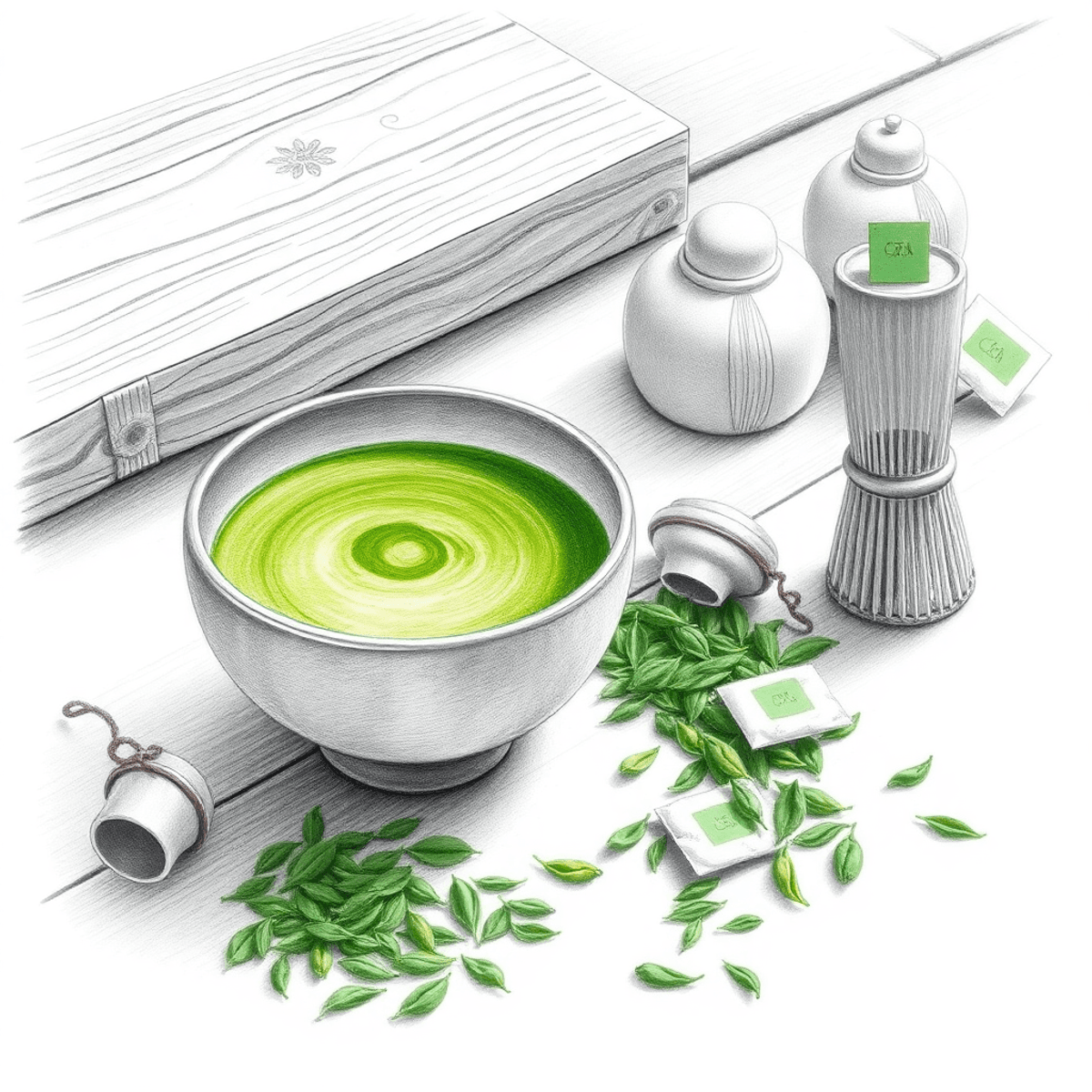
To make smooth matcha tea the usual way, you need a bamboo whisk called a chasen. This tool helps mix the powder with water so you get that fluffy feel on top. A lot of people feel stuck if they do not have this tool at home, and feel like they cannot make real matcha. So, many ask things like how to make matcha tea without whisk or how to make matcha without whisk or frother when they want a soft, well-mixed drink but do not have all the gear.
This guide will help you with the challenge by going over easy ways to make smooth matcha-style drinks at home. These ways do not need usual tools. You will find simple options instead of using a bamboo whisk. You will also learn how to get good texture and taste with kitchen things you already have.
If you don’t have ceremonial-grade matcha powder at home, that’s okay. green tea bags can serve as a budget-friendly and widely available alternative.
While this is not the same as real matcha, you can put leaves from green tea bags into a grinder to make a fine powder. This lets you try out flavors and mix up drinks that feel almost like matcha. It makes it easy for more people to enjoy green tea, and you do not need any special tools or costly things.
Matcha is not only for drinks. You can use it in many other ways. Try adding matcha to a kale matcha power smoothie if you want something healthy. If you feel like eating something sweet, try a matcha red bean roll cake. You may also be surprised at how good matcha can taste with other foods, like a matcha spinach cheese bake!
Can You Make Matcha Powder from Tea Bags? The Honest Answer
You may ask if how to make matcha powder from tea bags is a good way to enjoy the bright taste of this green tea. The truth is, yes, you can take green tea leaves from tea bags and turn them into a fine powder. This homemade matcha powder gives you an easy way to try matcha-style drinks at home.
However, you have to know that there are big differences between homemade matcha powder and real matcha.
Leaf quality and type: Tea bags often have lower quality green tea leaves or dust. They do not have the top tencha leaves used for traditional matcha.
Flavor: Matcha you get from tea bag leaves is more bitter and does not taste as rich or deep.
Texture: It is hard to get the super fine and smooth feel of real matcha if you use grinders at home with dried tea bag leaves.
Color: Homemade matcha powder will look less bright and less green than top-level matcha.
Making expectations clear helps you know what you will get with matcha powder from green tea bags. While it will not give you the same smooth feel, bright color, or deep taste of real matcha, this do-it-yourself way still gives a powdered green tea. It makes a good and easy-to-drink cup.
The benefits of making your own matcha powder are:
Affordability: Green tea bags cost a lot less than top-level matcha powders.
Accessibility: You don’t need to go to special stores or order from the web—just use any green tea bags you have at home.
Experimentation: This is a good way for someone new who wants to see how to make matcha powder without spending a lot first.
If you want to know how to make matcha powder from tea leaves, but you do not have tencha leaves or a stone grinder, you can still do it. Just grind up dried green tea leaves from a tea bag. This is an easy way to try making powdered green tea at home. It will also save you some money and be simple to do.
To really get the good things that matcha can offer, it's good to know what real matcha powder is. You need to see how it is different from matcha powder you may make at home using green tea bags. The real matcha has many health boosts. It can give specific advantages for women. It also has qualities that make it better in lattes than anything else. But, you should know there can be some side effects if you drink too much.
What Is Matcha Powder and How Is It Traditionally Made?
The Traditional Stone-Grinding Process
Real matcha powder is much more than just regular green tea leaves turned into powder. It starts with tencha leaves, which are a kind of tea leaf grown in shade just for Japanese matcha powder. The people who grow it keep their leaves out of direct sunlight for about three to four weeks right before picking. Doing this helps the leaves make more chlorophyll and amino acids. Staying in the shade helps the leaves get a bright green color and a sweet, full taste.
After picking, the tencha leaves do not go through a lot of steps. They get steamed for a short time to stop them from changing color. After that, they are dried and workers take off the stems and veins. This leaves the soft parts of the leaves only. This way, the leaves are ready for traditional matcha production.
The main thing that makes real matcha powder stand out is how it is made slowly. Unlike other green tea powders that are made in large batches, real Japanese matcha powder is ground between big granite wheels. These wheels turn very slowly. This slow turning keeps the matcha from getting too hot, so it does not lose its nutrients or change how it tastes. It can take up to an hour or even more just to make 30 grams of matcha. That is why stone-ground matcha is seen as better than other types.
This labor-intensive method preserves:
Good nutrition: Slow grinding helps stop oxidation and keeps the nutrients.
Bright color: The powder keeps a strong, almost glowing green shade.
Smooth feel: Fine grains mix fast and even with water.
Rich smell and taste: You get a mix of plant-like sweetness and soft bitter flavor, found only in stone-ground matcha.
The traditional matcha ceremony shows the great matcha that is made using stones. It brings out the look and taste. When you make matcha with this kind of powder, it feels smooth and foamy in your mouth. You can't get this feel or taste with tea made from regular tea bags or with powder you make at home.
When you look into how to make matcha powder from tea bags, you need to know these homemade ways do not have the same care in growing and grinding that true Japanese matcha has. But when you learn about the old ways of making matcha, you see why real matcha is held in high regard. It's not just the taste that matters—the process also keeps a long history and craft alive, right down to how each grain is ground.
Also, people should not miss the health benefits that come with drinking matcha. For example, it has a lot of L-theanine, which is an amino acid that can help with better focus, less stress, and a better mood overall. These points show the value of real matcha powder, not just for how it tastes or feels, but also for what the powder can do for you.
Why Authentic Matcha Differs from Ground Green Tea
Real matcha powder is special because of the way people make it and its story. It comes only from tencha leaves, which are green tea leaves grown in the shade. Because the leaves get more shade, their chlorophyll goes up, and this is what gives Japanese matcha powder its bright green color. The leaves are picked with care. Then, they are steamed to stop them from changing color. After that, the leaves get dried before being slowly ground with stones. This old way of making it helps keep the good nutrients and the taste in the powder.
Key distinctions between authentic matcha and regular ground green tea include:
Leaf Type: Tencha leaves for matcha grow in the shade for about three weeks before being picked. Regular green tea leaves for tea bags grow in full sun and go through a different way of being made.
Cultivation Practices: When leaves grow in the shade, they have more amino acids like L-theanine, and that gives matcha its rich taste and smooth feel. When leaves grow under the sun, they have more catechins, so regular green tea tastes stronger and is not as sweet.
Processing Techniques: Making matcha the right way means taking out stems and leaf veins before making it into a very fine and smooth powder. Green tea from bags still has stem pieces and leaf parts, so it feels more coarse.
Grinding Method: Slow grinding with granite stones keeps down heat, so the flavor and color stay at their best. When you use a spice grinder at home, there is more heat and the powder gets a dull color and rough feel.
These factors help shape several important qualities:
Flavor: Real matcha gives you a deep umami taste with some sweetness and a little bitterness. Green tea made by breaking open tea bags tastes stronger, is more sharp, and does not feel as smooth as real matcha.
Aroma: Stone-ground matcha smells fresh and grassy. Teas from ground bags can smell old or not strong.
Color: Bright green colors show good Japanese matcha powder. Home-made ground tea powders are usually less bright or look a bit brownish-green because of air getting in while making them.
Health Benefits: Both give you things that are good for your body, but real matcha has more because of how it is grown in shade and not handled too much. Since you use the full powdered leaves, there are more good things like catechins and amino acids than in regular bagged leaf tea.
The health benefits of matcha also show that it is better than normal green tea made with leaves.
The old matcha ceremony shows respect for how to make matcha. This skill is not just about the powder. It needs careful whisking with a bamboo chasen. This makes a foamy cup that honors many years of Japanese culture.
Knowing these things helps you have real expectations when you look into DIY ways, such as how to make matcha powder from tea bags. While you may find some easy and cheap options, they do not feel the same or have the same health effects as real matcha made from tencha leaves using stones.
Also, you can look into the various uses of matcha to help you feel more happy about this one-of-a-kind product.
Why People Look for DIY Matcha Powder Alternatives
Budget Constraints and Accessibility
Premium ceremonial-grade matcha can cost a lot. This makes it hard for many people to buy it. This is why DIY matcha powder is good. You can grind green tea bag leaves at home. This way, you get your own matcha and save money as well.
Many people like to use homemade matcha options for a few reasons:
Affordable matcha options: They let you have green tea powder without paying a lot of money.
Wide availability of green tea bags: Green tea bags are easy to get and do not cost much. This makes them a good place to start.
Making your own powder: When you make the powder by yourself, you can decide how much you want to make. You also know it will be fresh. This is hard to do with the matcha that you buy already packed.
People who want to find cheap matcha choices like that they can try new flavors and feel of tea without spending a lot of money. This do-it-yourself way lets you make a plain cup of green tea taste more like real matcha. It may not be the same in every detail, but it brings the feel and taste a lot closer.
This way works well for people who want to save money on green tea powder in their day-to-day lives. The steps in How to Make Matcha Powder from Tea Bags help you turn simple things you have into a nice green tea drink. You do not need special tools or have to spend a lot of money.
Curiosity and the Beginner Matcha Journey
Many people who are new to matcha feel curious and want to try making it at home before they buy the best and expensive kinds. This leads them to look into DIY matcha powder benefits and check out homemade matcha alternatives. They can get to know matcha in a hands-on way without spending a lot of money first.
Why Beginners Are Interested in Exploring DIY Matcha Options
Exploring affordable matcha options: helps beginners get to know what tastes good to them in green tea powders. It lets them see what they like.
Using green tea bags as a base makes it easy to try making your own matcha. This way meets the need for budget-friendly green tea powder that can be made at home.
It can be hard to get real matcha because of where you live or how much it costs. So, many people look for affordable matcha alternatives. Stores around you may not sell good quality matcha, so making it yourself can be a good option.
When you learn how to make matcha powder from tea bags, you get to feel the small changes in matcha taste and steps, while also saving money.
Trying these homemade ways lets you change things to suit your taste. You get to pick the grind size and how strong it is, so it more closely matches what you want.
This process gives beginners a good look at how traditional matcha is not the same as most daily green teas. It helps them feel more for the art that goes into real matcha.
If you want to make green tea powder from tea bags, you will get to find out which feel and taste you like best. You can use simple things at home and easy steps for this. It is a good way to start if you want to learn about matcha. There is no pressure, and you can try out new things.
How to Make Matcha Powder from Tea Bags at Home
You may ask, can you make matcha powder at home by turning green tea bags into powder? The answer is yes. But you need to be careful to get the texture nice and even. Here is a simple guide on how to make homemade matcha powder using things you can find around your house.
What You'll Need
Green tea bags (choose high-quality loose-leaf bags if you can)
A small bowl
A spice grinder, coffee grinder, or mortar and pestle
A fine mesh sieve
Airtight container for storage
Step-by-Step Instructions
Step 1: Remove the Dried Leaves
Carefully open each green tea bag. Pour the dried leaves into a clean bowl. Try not to tear the paper too hard, so you do not get paper pieces mixed in with the leaves.
Step 2: Dry the Leaves (if needed)
Tea bag leaves can hold a bit of moisture. Spread the leaves in an even layer on a plate or on parchment paper. Let them dry in the air for a few hours. Be sure to keep them in a cool and dry place. This step will help you get a finer grind. The leaves will not stick together as much.
Step 3: Grind the Leaves
Use a spice grinder or a coffee grinder for the best outcome. Add a small amount of dried tea leaves, around 1 or 2 tablespoons, each time. If you put in too much, it does not grind well. Use short bursts instead of letting it run non-stop. This helps keep it cool and keeps its smell strong. Keep grinding until you get a fine, matcha-like powder. It should be bright green, but the color may not be the same every time.
Step 4: Sift the Powder
Pour the ground powder through a fine mesh sieve. This will help keep out any big pieces or leaf bits that did not break down all the way. Put the bigger bits back in the grinder to get ground up again if you have to.
Step 5: Store the Powder
Keep your homemade matcha powder in a sealed container. Make sure to store it away from light and moisture. This will help keep its color and taste.
Tips for the Best Texture
Choose green tea bags that have whole leaves, not ones with leaves that are finely broken. This helps you get better grinding quality.
Avoid green teas that are flavored or mixed with other things, because these can have additives that change the taste.
Grind the tea in small batches. This will help you get more even results.
If you want the powder to be even finer, use a mortar and pestle after you finish the first grinding.
Use the powder right after you grind it, or within a week, to get the best taste. Homemade matcha does not have the same preservatives that are in store-bought products.
Grinding green tea bags into powder can give you a good way to try matcha-style drinks at home. You do not have to spend a lot of money on high-end powders at first. This homemade powder will not give you the same bright taste or smooth feel as real matcha, but it is a good starting point if you want to mix your own green tea at home.
If you want to use your homemade matcha powder, you can check out the best double matcha for baking in 2026. This may give you some good ideas for baking with matcha.
How to Make Smooth Matcha Tea Without a Whisk or Frother
Using Alternatives to Bamboo Whisk (Chasen)
Creating a smooth and bubbly matcha tea is usually done with a bamboo whisk, called a chasen. If you don't have one, you can still get a nice feel by using simple tools you already have at home. These bamboo whisk alternatives help give the air and mix you need to make matcha powder blend well.
Household Tools You Can Use:
Small Handheld Electric Frother:
A battery-powered milk frother works to mix matcha powder with water. It makes a light foam much like what you get with a chasen. Hold the frother just under the top of the liquid. Then move it in small circles so you build up a thick froth fast.
Electric Blender or Immersion Blender:
For making more at once or for lattes, you can use a blender. The blender breaks up any clumps and adds a lot of air to the drink. An immersion blender is handy because you can blend right in your bowl or cup. This means you do not have to use more dishes.
Small Whisk or Fork:
A whisk made of metal, or even a strong fork, works too. Mix quick and fast in a zigzag pattern. You want to keep going until you have no clumps and a bit of foam on top. This method makes you work more, but it will make the matcha feel smoother than if you only stirred it.
Shaking Method with Jar:
Put matcha powder and water in a jar and put the lid on tight. Shake hard for about 30 seconds until you see the froth. This is easy, you don’t need any special tool, and it does a good job
Tips for Mixing Matcha Without Frother:
Sift your homemade or store-bought matcha powder before you mix it. This will help cut down on any clumps.
Use water heated to about 175°F (80°C). Water that is too hot makes the tea taste bitter. If the water is too cold, it will not mix the powder well.
Put the matcha powder in your cup first. Then pour in the water slowly while you blend or whisk.
Move your tool steadily—this can be a frother, whisk, or fork—to get bubbles and a smooth mix.
For thicker matcha lattes with milk, blend the milk first if you can. This will help make it extra fluffy before you add the matcha.
Getting matcha to be smooth without a chasen is all about mixing fast and using the right thing in your kitchen. With these bamboo whisk alternatives, you can get that feel of thick matcha even if you do not have the special tool. Try each to see which one is good for you and to see what you like when finding out how to make smooth matcha without a whisk.
Additionally, if you want to try making frothy iced matcha, these ways and your own powdered green tea from bags help the matcha feel easy to get into and fun each time.
How to Make Matcha Latte with a Whisk Substitute
You can make a matcha latte without using a bamboo whisk or a chasen. This can be done with basic kitchen tools and easy steps. It does not matter if you use homemade matcha powder from tea bags or store-bought matcha. The latte will still be smooth and have a good foam. The taste will be nice and feel good.
Ingredients:
1 teaspoon of matcha powder (homemade or store-bought)
2 ounces hot water (not boiling, about 175°F/80°C)
6 ounces warmed milk or plant-based milk (almond, oat, soy, etc.)
Sweetener to taste (honey, maple syrup, agave)
Optional spices: ginger, cinnamon, or vanilla extract for extra flavor
Step-by-Step Instructions:
Get Ready to Make a Strong Matcha Drink: Use the homemade powder you get from green tea bags or buy matcha from the store. Put the powder in a cup or bowl. Pour hot water over it. Stir hard with a fork, a small whisk, or a chopstick. Keep stirring until the powder is almost gone and the mix looks smooth. This is the strong green tea base for your latte.
Warm Up Your Milk: Gently heat milk on the stove or in the microwave. Make sure it is warm but don’t let it boil. Warm milk mixes better with matcha and gives you that cozy latte feel.
Add Some Sweet and More Flavor: Put the sweetener you like in the warm milk or the matcha drink. If you want, add some spices like cinnamon or ginger to make the taste your own.
Mix and Make Froth Even Without a Frother: Pour the sweetened matcha drink into the warm milk. Use a fork, small wire whisk, or a jar with a tight lid. Shake or stir hard for 30 seconds to 1 minute. This action blends the mix and brings in air to make froth.
Enjoy Right Away: Pour into your favorite mug. Now you can enjoy your frothy matcha latte, made without bamboo whisk alternatives.
Tips for Best Results When Making Smooth Matcha Without Whisk:
When you grind your own powder from tea bags, the pieces will be bigger than real matcha. Stir really well so you get fewer clumps.
Using warm milk instead of cold makes the powder mix in better. It also helps build foam if you mix hard.
Sweet things like honey can make the drink sweet and smooth if you mix them right. They also help cover up any sharp taste.
Warm spices go well with green tea’s natural feel and make the latte feel better.
If you don’t have a frother for matcha, you need to mix hard and steady by hand. Don’t hurry this step.
Trying these easy steps shows that making tasty green tea lattes is something anyone can do. You do not need special tools when you wonder about making matcha without chasen or how to make smooth matcha without whisk. This way lets people enjoy warm drinks at home with the things they have. You can also use bamboo whisk alternatives with this method.
Enjoying Matcha Your Way Without Specialized Tools!
Making matcha at home is simple and doesn’t need fancy tools or high prices. The best matcha, used for big events, comes from certain leaves and uses old-style tools. But you can still try easy homemade matcha recipes. These let you make a smooth cup that tastes great and is not hard to do.
Smooth matcha without a whisk is possible for everyone. You can use green tea leaves from tea bags and simple tools, like a blender or a hand frother. These options help you make bright green tea drinks. The drinks feel nice and taste good, too. You can do this even if you are new or don't want to spend a lot.
Try these ways to make your matcha feel more to you:
Use how to make matcha powder from tea bags methods to make your own green tea powder at home. This can help you save money and bring a bit of DIY fun into your day.
You can change how sweet your drink is by adding honey, maple syrup, or any sweetener that you like.
Try different kinds of milk like dairy, oat, or almond milk. See which one you enjoy the most.
Make an iced matcha latte by mixing your green tea powder with cold milk and ice. This will give you a cool and fresh drink.
Add your homemade matcha powder to smoothies or baked treats. This gives you more antioxidants and good flavor.
Your kitchen is a good place for you to try new things. You do not need to be perfect. You should think about what you like and what works for you. The best thing about easy homemade matcha recipes is that they are simple to make and you can change them the way you want.
Enjoying matcha your way is about keeping things simple but still showing respect for old ways. You just need a bit of curiosity and some helpful ideas to get started. Anyone can make great green tea drinks that feel special, even if they do not have the right tools.
FAQs (Frequently Asked Questions)
Can you make matcha powder from green tea bags at home?
Yes, you can use a spice or coffee grinder to crush dried green tea leaves from tea bags into a fine powder. But this homemade matcha powder is not the same in taste or feel as real matcha. Real matcha is made the old-fashioned way. They use stones to crush special shaded tencha leaves.
What makes authentic matcha powder different from ground green tea leaves from tea bags?
Real matcha is made by carefully grinding shade-grown tencha leaves with stones. This helps keep the good stuff and flavor, so you get a bright green color and a smooth feel. But ground green tea that comes from the kind of leaves found in regular tea bags is different. The way it is made is not the same, so it does not taste the same and does not smell the same. The color and health benefits are not as good, either.
Why do people choose DIY matcha powder alternatives using green tea bags?
Many people want affordable choices because premium ceremonial-grade matcha costs a lot. DIY ways help beginners try making matcha drinks at home. You do not need to buy costly products or special tools to do this.
How can I make smooth matcha tea without a traditional whisk or frother?
You can mix matcha powder fast using other tools. A small kitchen whisk, milk frother, or shaking it in a closed jar with water works well. These ways help create a smooth feel close to what you get with a bamboo whisk (chasen).
What is the traditional process of making authentic Japanese matcha powder?
Real Japanese matcha comes from tencha leaves that grow in the shade. Then, people use a stone to grind them slowly. This hard work keeps the good things and taste in the leaves. The matcha has a bright green color and is used in old Japanese tea ceremonies.
Are there taste and quality differences between homemade ground green tea powder and authentic matcha?
Yes, when you make green tea powder at home, it usually does not look as bright and the feel is rougher than real matcha. The taste can also be stronger and not as smooth. That is because it does not go through the same steps or tools that make high-quality matcha for special use.


Comments
Post a Comment