Stop Ruining Your Matcha: The #1 Bitter Mistake
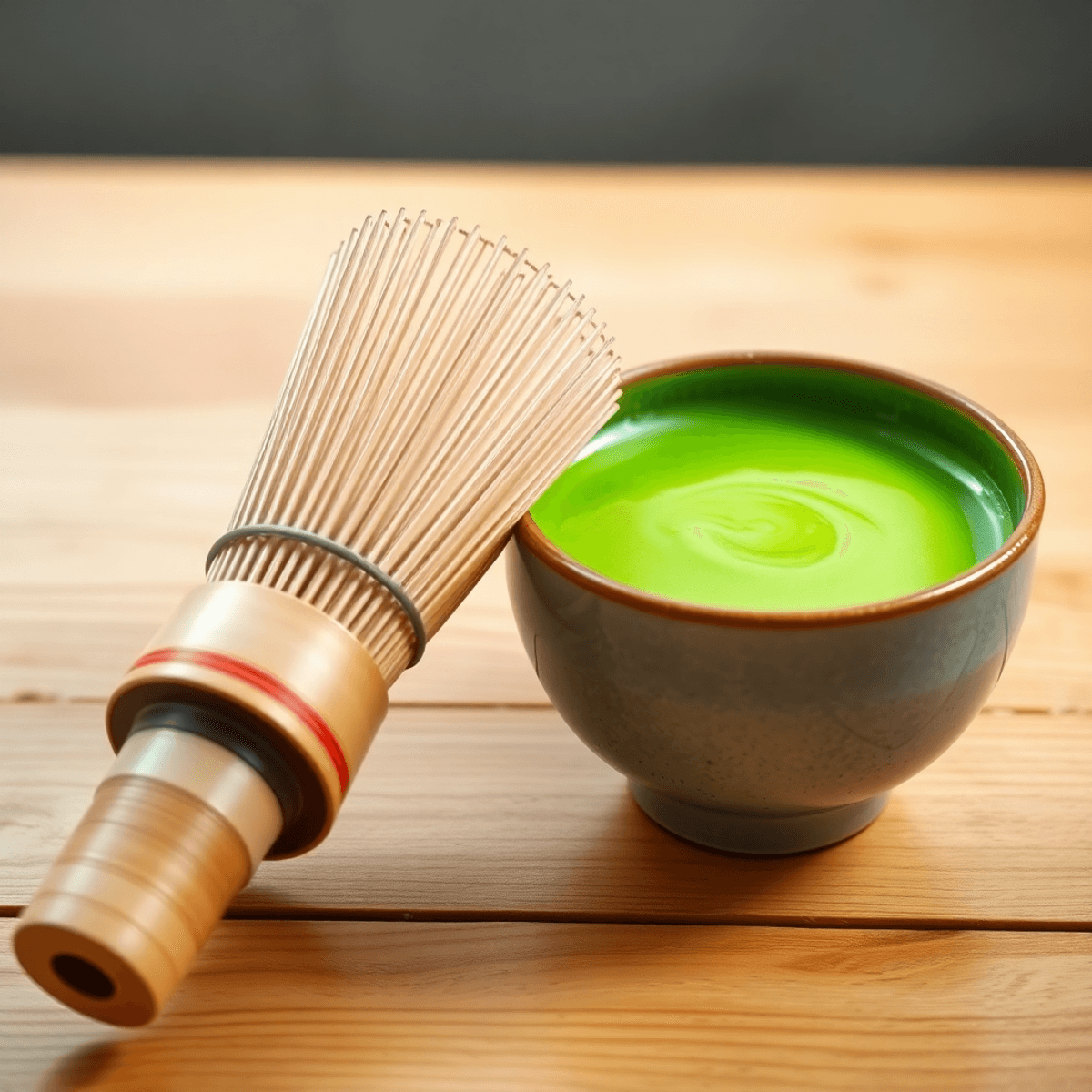
Bitterness in matcha is a common thing that many people who like tea run into. This taste can sometimes take over the soft, green notes that make matcha good. Fixing this bitter taste is important if you want to get the full flavor of matcha without that sharp taste that can spoil your drink.
If you are new to matcha, it’s good to know that a bit of bitterness is normal. This taste is part of matcha’s rich flavor and shows that it has a lot of catechins in it.
Don’t let this stop you from trying it—this is what makes matcha different from other green teas.
This article helps you know why your matcha may taste too bitter and what you can do about it. You will read about the main things that cause too much bitterness, see some usual matcha preparation mistakes, and learn simple ways to make your matcha less bitter. When you get these parts right, you will have a smoother and better cup each time.
Understanding Matcha Bitterness: A Beginner's Guide
Bitterness is a big part of what gives matcha its taste. But when you know why matcha can be bitter, you start to see how many things go into its flavor. You can also learn how to stop it from tasting bad.
What Causes Bitterness in Matcha?
The main bitter taste comes mostly from natural chemicals that are in the ground green tea leaves.
Catechins: These are antioxidants found in matcha. They help with health and give the tea a strong, sharp taste.
Epigallocatechin gallate (EGCG): This is a type of catechin. It brings most of the bitter taste. EGCG can help reduce swelling in the body and give your body a small push to burn more energy.
Tannins: These are also found in matcha. They make your mouth feel a bit dry. Tannins also work with the sweet parts of the tea to bring out more flavors.
These parts come together to make a taste with grassy sweetness, umami feel, and a little bitter note. This light balance is what makes matcha stand out from other teas.
Differentiating Normal Bitterness vs. Excessive Bitterness
Knowing why is matcha bitter besides its natural taste can help you find out when something is wrong while you make it.
Normal Bitterness
Normal bitterness gives your cup more taste and feel. It is balanced with sweetness and umami. You get a nice aftertaste that is not harsh.
Unpleasant Excessive Bitterness
On the other hand, unpleasant strong taste that is too bitter can take over other flavors. It can feel sharp or rough on the tongue. This often happens if you use water that is too hot or use too much powder.
Beginner Tips Matcha Drinkers Should Know
Here are some tips for beginner matcha drinkers:
You will get some bitterness as part of the real experience. This is not a problem, but it is an important part of what makes it good.
Try to control how you make it, like the water heat and how much powder you use. This will help you with how bitter it gets.
Try it many times, and really pay attention to small changes in how it tastes. This helps you know when the bitterness is good and when it is too strong for you.
When you get used to these small details, you will be able to make matcha that shows off its deep taste. This will let you enjoy the good parts instead of hiding problems or making it too sweet.
The Science Behind Matcha's Complex Flavor Profile
Knowing how matcha works helps us see why this bright green tea has its well-known sharp taste, along with good things for your health. The main things that give matcha its strong taste are catechins, EGCG (epigallocatechin gallate), and tannins. These parts impact the taste and what the drink can do for you.
The Role of Bitter Compounds in Matcha
The way these compounds come out during brewing depends a lot on several things:
Water Temperature: Hot water makes the matcha dissolve faster and pulls out more of the catechins and tannins. If you use water that is hotter than 80°C (176°F), there is a risk of making the tea taste too bitter because too many bitter parts come out at the same time.
Powder Quality: A higher-grade matcha will usually taste smoother because it is grown and made with care, which helps control the bitterness. Lower-quality matcha can have a stronger and harsher bitter taste because it might have too many tannins or uneven amounts of catechins.
Whisking: When you whisk matcha well, you mix in air and blend the powder into the water. This helps control how fast the bitter taste comes out into the drink. If you whisk too much or not enough, this can change the taste by letting out too much or not enough bitterness.
Why Bitter Compounds Matter
These bitter parts are important for what gives matcha its special taste and health benefits. If you know how to make matcha well, you can decide how much of each part is in your drink. This helps you pick if your matcha has a smooth taste or if it is stronger and more bitter.
Common Mistakes That Make Your Matcha Taste Too Bitter
Bitter matcha often happens because of some easy mistakes people make while making it. Knowing about these mistakes can really make the taste better. Here are the most common things that go wrong:
1. Using Overheated Water
Hot water bitter matcha mistake: Water that is hotter than 80°C (176°F) can make your matcha taste strong and not pleasant. The high heat pulls out too many tannins and catechins all at once, and this can cover up the light, nice flavors of matcha.
Brewing temperature tips: Try to use water that is between 70-80°C (158-176°F). If you boil the water, wait a few minutes to let it cool before you pour it on your matcha powder. You can also use freshly drawn water for better flavor.
2. Adding Too Much Matcha Powder
Too much powder can make the drink taste too strong and sharp. Matcha is very strong, so if you use even a little more than needed, the taste gets more bitter.
Begin with about 1 to 2 grams (about half to one teaspoon) for each serving and change the amount to fit your taste.
3. Using Low-Quality or Old Matcha
Lower-grade powders have more stems and less fine leaf parts. This makes the taste feel more harsh and bitter.
If matcha is not stored well, it gets exposed to air. This breaks down the flavor and makes it taste more bitter.
If you pick fresh and high-quality matcha, it will taste less sharp and feel smoother.
How These Mistakes Affect Flavor Balance
Each thing gets in the way of the sweet and umami tastes in matcha. It also affects the bitter taste in matcha.
Overheated water scalds the leaves and pushes out too many bitter tastes fast.
Too much powder hides mild flavors. It brings a strong dry taste.
Bad or old powder does not have many layers of flavor. It can be strong and rough.
Practical Tips for a Smoother Brew
Always measure your powder in a precise way; use a scale if you can.
Let boiled water sit for about 5 minutes before you brew. This helps the water cool down to the right heat.
Store matcha in airtight containers away from light and heat to keep it fresh.
Try using a little less powder or cooler water until you find the best mix.
Changing these things can help you know how to make matcha taste less bitter without losing what makes it special. The right way will bring out the bright color, creamy feel, and sweet taste that make matcha nice to drink instead of being something you do not want.
How to Fix Bitter Matcha: Proven Techniques That Work
You can make bitter matcha taste better by changing how you brew it. You can also add small flavor boosters to help. These easy steps will help lower the bitter taste of matcha, but its gentle taste will still be there.
Step-by-Step Brewing Adjustments
Cool Your Water Before Brewing
Boil the water and then wait about 5 minutes. The water should cool to around 70-80°C (158-176°F). If you use water that is cooler than boiling, it helps to stop too many bitter parts, like catechins and tannins, from coming into the drink.
Tip: A thermometer can help here, but you can also just count a few minutes after boiling.
Measure Your Matcha Powder Carefully
Use about 1 to 1.5 grams, or about half a teaspoon, of matcha powder for each serving. If you add too much, the drink can taste more bitter and feel heavy in your mouth. Start with a smaller amount, then adjust it based on what you like.
Whisk Vigorously but Wisely
Whisk in a zigzag way until you see a light foam on top. This mixes the matcha powder well, spreads the taste out, and makes strong flavors feel smoother.
Avoid Over-Extraction
Drink your matcha soon after mixing it, within a few minutes. If you let it sit too long, more bitter flavors can build up as the tea changes over time.
Incorporating Sweeteners for Matcha Without Masking Flavor
Natural sweeteners can help balance out the bitterness in matcha. They also let the special taste of matcha stay. Go for choices that work with matcha, not take over its flavor.
Honey: Adds a gentle, flowery sweetness and goes well with top matcha.
Agave Syrup: Gives a light, plain sweetness that mixes in with no change to taste.
Maple Syrup: For a stronger, deeper sweet taste. It is very good in latte mixes.
Add sweeteners slowly. Start with half a teaspoon. Mix it in well. Then change it based on what you like.
Additional Tips to Soften Bitterness
Use Milk or Milk Alternatives: Dairy milk or plant-based milks like almond or oat can make matcha taste less sharp. The fat in them makes the drink more smooth.
Try Blending: Blend matcha with things like vanilla extract or cinnamon. These add new flavors that help cover up the strong taste.
Cold Brew Matcha: Use cold water and whisk well. This pulls out fewer strong-tasting parts and gives you a smoother cup.
Using these tips can help you cut down the strong taste in matcha. You can still enjoy the rich flavors in it. Try different ways to see what works best for you. This will help you find the right mix of smooth and bold taste in every cup.
Choosing Quality Matcha Powder: A Key Factor in Flavor Control
Choosing the right matcha powder matters if you want a smooth and balanced drink that lowers how bitter it tastes. There are many types of matcha powders. It is good to know the things that make ceremonial grade vs culinary grade matcha different. This way, you get to pick the one that works best for you.
Ceremonial Grade Matcha
Ceremonial grade matcha is the best kind you can find. It is made from young tea leaves. These leaves are kept out of the sun for a while before harvest. Then, people use stones to make the leaves into a very fine powder. This powder has a bright green color. It also smells light and fresh.
Characteristics of Ceremonial Grade Matcha
Flavor: Smooth and sweet. There is a little taste of umami but not much bitterness.
Texture: Fine and soft. It mixes well with water.
Use case: Best for tea ceremonies or for drinking as plain matcha tea.
Price: The price is higher because the way it is made is careful, and they pick the best leaves for it.
Ceremonial grade matcha is smooth, so there is less strong bitterness even if you do not brew it just right. You can enjoy all the flavor without it feeling too much.
Culinary Grade Matcha
Matcha that is used for cooking or baking is made from older leaves or parts of the plant that are not as good. The powder is often a bit rough and looks dark green or sometimes has a hint of yellow.
Characteristics of Culinary Grade Matcha
Flavor taste: The flavor is stronger and has a deep, earthy taste. It often has a stronger bitter taste, too.
Texture: This kind is a bit more grainy, so it can change how it mixes in.
Use case: You can use it for cooking, baking, lattes, smoothies, and lots of other recipes. The other flavors in these can help cover the bitter taste.
Price point: It costs less than ceremonial grade.
Because matcha for cooking has more tannins and catechins in the older tea leaves, there is more of a bitter taste. When you use this in recipes with milk or sugar, the bitter taste is not as strong. But if you make it straight like matcha for ceremonies, it can taste strong and harsh.
Tips for Selecting Quality Matcha
Look for bright emerald green color. A dull or yellowish powder often means it is not good quality.
See that it is fresh. Matcha will lose color and taste when you open it and leave it out.
Buy from brands you trust. They should share clear info about the grade and where it is from.
Do not pick powders that just say “matcha” and do not show if it is for drinking or cooking.
Balancing Bitterness Through Powder Choice
Choosing ceremonial grade can help cut down on too much bitterness. This is because the leaves are picked and handled with care. If you like a strong taste or want to save money for making recipes, go with culinary grade. With this one, you might need to add things like sweeteners or milk. This helps make it less bitter.
This difference between ceremonial grade and matcha used for food helps you get the right strength of taste from the start. This is a key step before you try new ways to make your drink.
Conclusion
You now have the tools and know-how to enjoy matcha that is less bitter. You can do this by making small changes to how you make it. Learning how to make matcha taste less bitter is not about sticking to strict steps. It is about trying things out to see what works for you and the matcha powder you use.
Here are some things for you to think about as you go on with your matcha journey:
Experiment with water temperature: Try to keep the water between 70-80°C (158-176°F). This way, you don't burn the powder or make your drink taste too strong and bitter.
Adjust the amount of powder: Begin with a small amount. You can add more a little at a time. This helps you find what tastes best to you.
Choose your grade wisely: Pick a high-quality matcha if you want a smooth taste. A more standard grade is good for recipes and when you mix it with other things.
Incorporate gentle sweeteners or milk: A little honey, agave syrup, or some plant-based milk can help cover up any strong or bitter taste. It will not take over the matcha's main flavor.
Master your whisking skills: A good, foamy mix makes your matcha feel and taste nice in your mouth.
Remember that each batch of matcha can act in its own way. This is because the harvest, how it is made, and how it is stored can be different. It is good to stay open and be ready to make changes. This helps you enjoy a cup with the bright and umami taste that makes this green tea stand out.
Matcha is as much an art as it is a ritual — your best cup comes from patience, practice, and curiosity.
Get ready to enjoy your next bowl. You can feel good about it. This is the way to taste smooth and balanced matcha. It all starts here.
FAQs (Frequently Asked Questions)
Why does matcha taste bitter and is it normal?
The bitterness in matcha comes from natural parts like catechins, EGCG, and tannins. These give matcha its strong taste and are good for health. It is normal to feel a bit of bitterness when you drink matcha, especially if you are new to it. This taste is part of what makes matcha what it is.
What common mistakes make matcha taste too bitter?
Using water that is too hot (over 80°C or 176°F), adding too much powder, or picking low-quality matcha can make your drink taste too bitter. These mistakes draw out more bitter things and throw off the flavor balance.
How can I make my matcha taste less bitter during preparation?
To keep the tea from tasting too strong, use water that is cooler than 80°C before you start to whisk. Make sure to measure the right amount of powder. You can also add a natural sweetener, like honey or agave syrup. This will make the taste smoother without taking over the flavor of the tea.
What role does matcha powder quality play in bitterness?
Top ceremonial-grade matcha has a smooth taste. It is less bitter than the powder found in the kitchen for cooking. When you pick top-quality matcha, you get better taste and a nice, even feel in your drink.
How do brewing techniques affect the bitterness of matcha?
Brewing temperature, the way you whisk, and the mix of powder to water all play a role in how much bitter taste comes out. A good way to make it will help you get a balanced cup with good bitter flavor instead of something too strong or rough.
Can I still enjoy matcha if I find it too bitter at first?
Yes! Bitterness is one thing you get with matcha. But, if you practice and change how you make it—like using the right water heat and good powder—it gets better. After some time, you can enjoy a smoother and better cup.


Comments
Post a Comment