The Health Benefits of Matcha Antioxidants Explained
Key Highlights
Matcha powder is made by grinding green tea leaves from the Camellia sinensis plant into a fine powder.
Because you get all of the green tea leaves when you have matcha, the antioxidants are more packed in than what you find in regular brewed green tea.
Matcha has EGCG, some other catechins, polyphenols, chlorophyll, L-theanine, and a bit of vitamin C.
The mix of these can help slow down cell damage that comes from free radicals and stops some of the stress done by oxidative stress.
The health benefits you may get can include better focus, help for your heart health, boost to the immune system, and may help meet weight loss goals.
The way you prepare matcha, keep it, and the grade you use can change how many antioxidants you will get from it.
Introduction
Matcha tea is special because it gives you more than just color and taste. It comes from green tea leaves that grow in the shade on the camellia sinensis plant. These leaves are ground up so you use the whole leaf, not just a water extract. That is important. You get a fuller mix of plant parts that can help protect cells and support your health each day. If you are curious about the antioxidants in matcha and how they help your body, this guide will show you in a clear way.
The Health Benefits of Matcha Antioxidants Explained
Matcha tea is different from other kinds of green tea because matcha powder comes from ground green tea leaves. You get more good stuff from the plant this way. The antioxidant catechins in matcha tea, along with chlorophyll and other polyphenols, help protect your cells. They fight free radicals that form as your body goes through its normal work.
Over time, when there is less stress on the cells, it can give several health benefits. This may help your heart health, support your immune system, and help you age in a healthy way. The main things in matcha that do this are worth looking at. It starts with the best-known antioxidant in matcha.
1. EGCG: Matcha’s Most Potent Antioxidant and Its Impact on Health
Epigallocatechin gallate, or EGCG, is known as the main antioxidant in matcha green tea. This compound is part of the antioxidant catechins group. Catechins help protect your cells from damage caused by unstable molecules.
Matcha green tea uses the entire tea leaf, so you get more epigallocatechin gallate in your cup than with most brewed teas. This makes matcha green tea a good way to get these powerful antioxidant catechins.
EGCG works in the body in several ways. It may help lower cell damage and keep inflammation down. It also supports heart health. Studies that talk about matcha and green tea show that catechins may help lower the risk of heart disease. They may also protect your DNA from damage.
There is some interest in EGCG when it comes to weight loss. The effect is not strong, but it may help a bit. If you drink matcha often, EGCG is one of the main reasons people talk about the potential health benefits. It can play a part in good health and also support better aging.
2. L-Theanine: Enhancing Calm Focus and Antioxidant Synergy
L-theanine is an amino acid in matcha tea. It makes a big difference in how you feel after drinking it. Matcha tea is not the same as coffee. Matcha tea has both caffeine content and L-theanine together. Because of this, the energy you get may feel steady and calm. There may not be a quick rush like you feel with coffee.
That pairing is important for brain function. In a small study, people who had matcha, either as food or drink, showed better attention, memory, and response time than the control group. Researchers say caffeine helps with this, but L-theanine may also play a big part in giving a calm, focused feeling that many people notice.
L-theanine is not the main antioxidant in matcha. Still, it works with other plant compounds in a helpful way. If you want to feel calm and focused but not sleepy, this amino acid is a big reason why matcha is different from many other drinks.
3. Vitamin C in Matcha: Immune Support and Cellular Protection
Vitamin C in matcha is not found in big amounts. Matcha is not known as a big source of vitamins. But, the small amount of vitamin C in matcha helps add to its antioxidant value. This is because the matcha powder comes from whole green tea leaves, not just a filtered drink. Green tea and its leaves have these good things that make matcha stand out.
Vitamin C is important because it helps keep your immune system strong and works to protect against cell damage. If you drink something that already has catechins and polyphenols, adding some vitamin C gives you more support. It helps your body’s normal defenses even more.
You need to keep your hopes real when it comes to matcha. The main story about matcha and antioxidants is still about catechins like EGCG, chlorophyll, and other things from plants. Still, vitamin C in matcha adds to the list of possible health benefits. This shows that matcha is more than just a new drink. There are real potential health benefits that come with vitamin C in matcha.
4. Chlorophyll: Detoxification and Antioxidant Power
One of the first things you see, when you look at matcha powder, is its vibrant green color. This color is the result of chlorophyll. The green tea leaves are grown in the shade before they are picked. That makes the green tea leaves have more of the pigment.
Chlorophyll does more than just make green tea leaves look nice. It helps the body get rid of unwanted stuff and keeps cells safe. So when you drink matcha, you get more than just catechins. Because matcha comes from grinding whole green tea leaves, you take in all that green pigment. This is not like loose leaf green tea, where most of it is left in the tea leaves after brewing.
This is one thing that makes matcha feel packed with nutrients. Chlorophyll does not take the place of EGCG or other catechins, but it adds strength to matcha’s mix of antioxidants. If you want a source of antioxidants that looks fresh and has real benefits, chlorophyll helps bring both.
5. Other Catechins and Polyphenols: Building Matcha’s Antioxidant Profile
EGCG is often talked about the most. But it doesn’t work by itself. Matcha green tea has other catechins and polyphenols from the tea leaves. When you have all of these together, they help your body handle oxidative stress in a better way.
That combined effect is important. Health support does not come from just one compound. The full antioxidant profile of matcha comes from many plant substances that help each other in the powdered leaf.
Catechins are the main compounds in matcha that help fight oxidative stress.
Polyphenols give the drink more antioxidant power.
Quercetin and rutin are plant substances also in matcha.
These may help lower cell strain from aging and daily stress.
All these together help show why matcha is good for health.
Why Matcha Antioxidants Are Superior to Green Tea and Other Superfoods
Matcha powder and regular green tea both come from the Camellia sinensis plant. But you don’t use the same part of the leaf for each one. That means you get a different amount of antioxidants from them. It can make a big difference in the health benefits you get.
Of all the types of green tea, matcha green tea stands out for being more strong. It stands next to many superfoods. It is not magic, but the way it is grown and the fact that you use the whole leaf lets you get more antioxidants. Here is how the comparison happens.
Matcha vs. Regular Green Tea: Antioxidant Levels Compared
Regular green tea is made when you put leaves in water. You then take the leaves out and drink the tea. Matcha powder is different. You whisk the powder into water. You drink the leaf itself in this tea.
This is why matcha green tea gives you more antioxidants than many other types of green tea.
The gathered information says that matcha is a concentrated form of green tea. It has about 137 times more antioxidant catechins than most regular green teas. This does not mean each cup is the same. But it helps explain why many people talk about matcha.
|
|---|
The Effect of Whole Leaf Consumption on Antioxidant Intake
The whole leaf advantage is easy to see. Matcha powder lets you drink the entire tea leaf. The leaf is ground into a fine powder. Regular tea works different. A lot of the leaf stays in the strainer or the tea bag.
That changes what gets into your body. Since you take in all the green tea leaves, you get more catechins, chlorophyll, theanine, fiber, and caffeine. This way of drinking green tea is connected to the health benefits people talk about when they use matcha. These include support for antioxidants, helping you focus, and giving a boost for heart health.
So, what happens when you take in matcha antioxidants often? Your body gets to deal with free radicals again and again. These things might help to handle stress in the cells. This is an easy change in what you take in. Still, the good difference in what you get for your body’s nutrition can be big.
ORAC Score: Measuring Matcha’s Antioxidant Capacity Against Superfoods
The ORAC score shows how well a food can fight oxidation in lab tests. People use it to talk about antioxidant capacity. When you hear that matcha powder is a strong antioxidant food, they often use this score to show it.
The gathered information does not have exact ORAC scores. Still, it shows that matcha is known for its strong antioxidant power. Many people say it is as good as other superfoods. You drink the leaf itself, which gives you great health benefits. That way of use may help explain the potential health benefits of matcha.
Matcha powder is known to be a strong source of antioxidants.
It has more antioxidants than regular tea.
People like it as a superfood because you take in the whole leaf.
The high amount of catechins is the top reason for this.
Maximizing Your Antioxidant Intake from Matcha
If you want to get the most out of matcha tea, both the grade and the way you handle it are important. Matcha powder is made from tea leaves that are picked with care. But not all matcha powder is made for the same thing. Some matcha tea is best for drinking, and some is better for cooking or adding to recipes.
Preparation methods matter too. Heat, storage, and how fresh it is can change the quality over time, even when the core antioxidants stay strong. To help you choose what is good, look at the grades of matcha first. Then think about the best ways to prepare it.
Best Grades of Matcha for Antioxidant Potency: Ceremonial vs. Culinary
The grades of matcha depend on the leaf selection, flavor, and what you plan to use it for. Ceremonial matcha uses the finest matcha leaves and is often used in japanese tea ceremonies. It has a smoother taste, a brighter color, and a good umami flavor that stands out.
Culinary matcha costs less and is used to mix with drinks and foods. Still, it comes from green tea. It keeps a lot of catechins and plant compounds. If you want to get antioxidants every day, culinary matcha can be a good choice.
So, does the grade really change how strong the antioxidants are in your matcha? From what we know, ceremonial matcha gives you the best flavor and most nutrients. Still, even culinary matcha is a good source of antioxidants. It's a good idea to pick pure matcha instead of green tea extracts or any low-quality blends if you want the benefits green tea gives.
Preparation Methods to Preserve Antioxidants in Matcha
Good preparation helps you get the most from matcha tea. You do not steep matcha tea like you do with bagged tea. Instead, you mix matcha powder right into hot water. This way, you drink the whole leaf and keep all of its natural compounds in your cup.
Storage is very important. After you open your matcha, it will stay fresh for about two months. You should keep it in an airtight container. Put it in the refrigerator or freezer. This will help to keep the taste, color, and quality good.
Use fresh matcha powder from a sealed package when you can.
Mix it with hot water. Do not boil it for a long time.
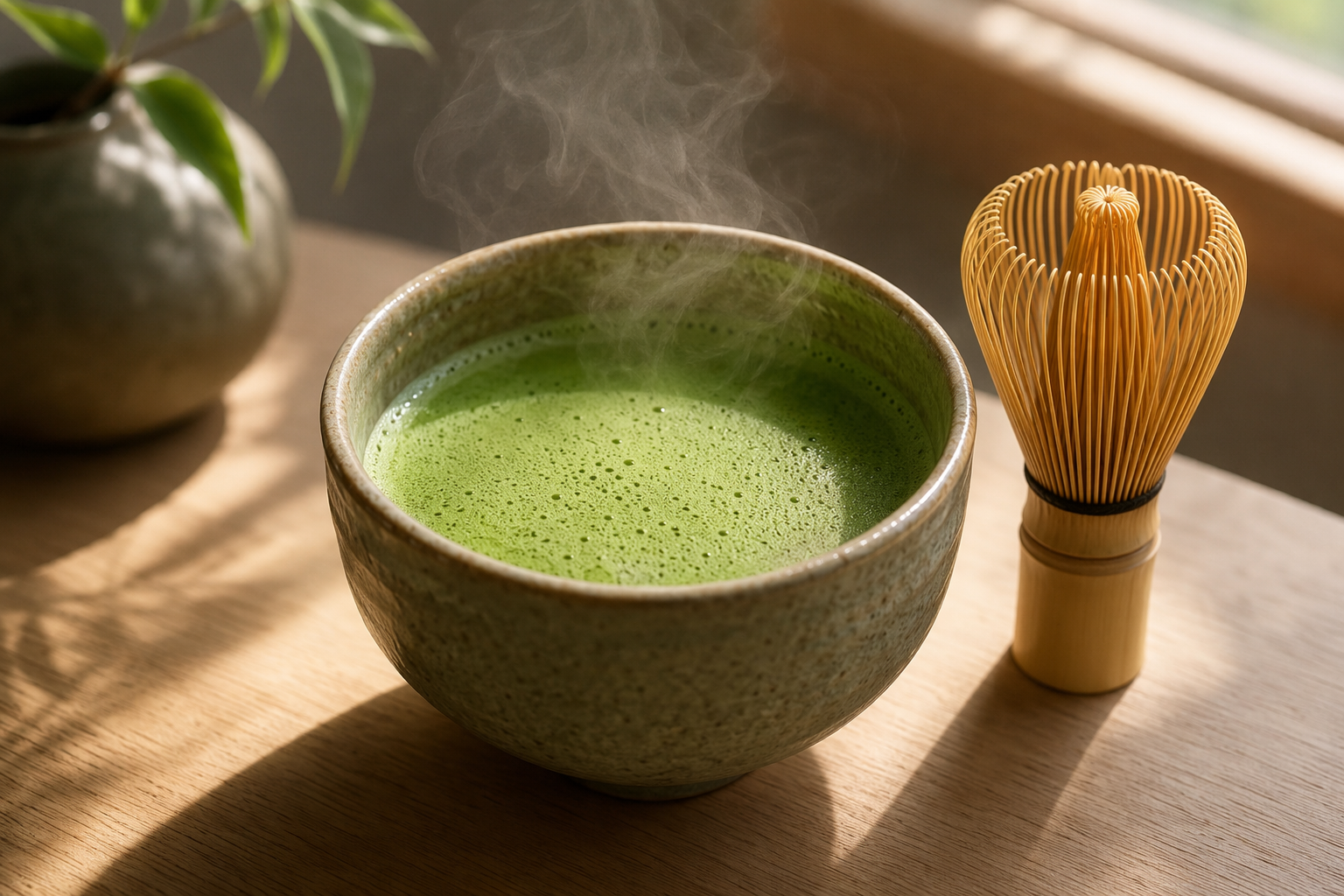
Blend it with a bamboo whisk until it gets smooth and frothy.
Keep opened matcha powder in an airtight container in the fridge or freezer.
You can still use matcha in recipes. But drinking it as plain tea gives you the most antioxidants.
Conclusion
To sum up, matcha is full of antioxidants. It gives health benefits that other superfoods and regular green tea don’t offer. This tea has special parts like EGCG, L-theanine, and chlorophyll. These help your body fight damage and help your mind feel clear. To get the most health benefits, pick a good grade of matcha and use ways that keep its helpful parts safe. If you add matcha to your day, you will make a real difference in your health. If you want to know more about how matcha and green tea can help you feel better, feel free to ask for more info or set up a chat to learn how to start.
Frequently Asked Questions
How much matcha should I drink daily for antioxidant benefits?
A daily cup of matcha tea is a good way to get antioxidants. Most people use one or two scoops in each cup of matcha tea. Matcha tea has caffeine content, so start slow if you feel sensitive to it. The health benefits come more from drinking matcha tea often, not from having lots at one time.
Does cooking or baking with matcha reduce its antioxidant content?
Using matcha powder in recipes gives you antioxidants because you use the leaf itself. Still, making matcha with hot water is the best way to enjoy its true taste. If you want the best quality, choose pure matcha. Do not pick green tea extracts or blends with a lot of sugar.
Can matcha antioxidants help slow aging and support overall health?
They may help. The antioxidant catechins, vitamin C in matcha, and other plant parts can protect your cells from oxidative stress. This support may help you age in a healthy way as time goes on. The health benefits are not certain, but having matcha often might help keep your cells safe.
Why is matcha considered more powerful than other types of green tea for antioxidants?
Matcha powder is a stronger type of green tea. You get all of the whole leaf, not just the water that goes through it. This is why matcha powder often has more antioxidants than regular green tea. Many people say that, because of this, it is high on the list of top antioxidant foods when talking about ORAC score.
What happens in your body when you regularly consume matcha antioxidants?
When you drink matcha tea often, your body gets things that may help stop free radicals and cut down on cell damage. This can help your heart, immune system, and brain as time goes on. Most potential side effects come from the caffeine. If you are sensitive, try not to have too much.
Are there scientific studies that support the antioxidant benefits of matcha?
Yes, the evidence is not the same for every study. A small study showed that matcha green tea may help with attention and response time. A lab study said matcha could be good for your dental health. Research on matcha green tea and antioxidant catechins shows some health benefits, but more studies in people are needed.


Comments
Post a Comment