Whisk Matcha Properly: Zero Clumps, Perfect Foam
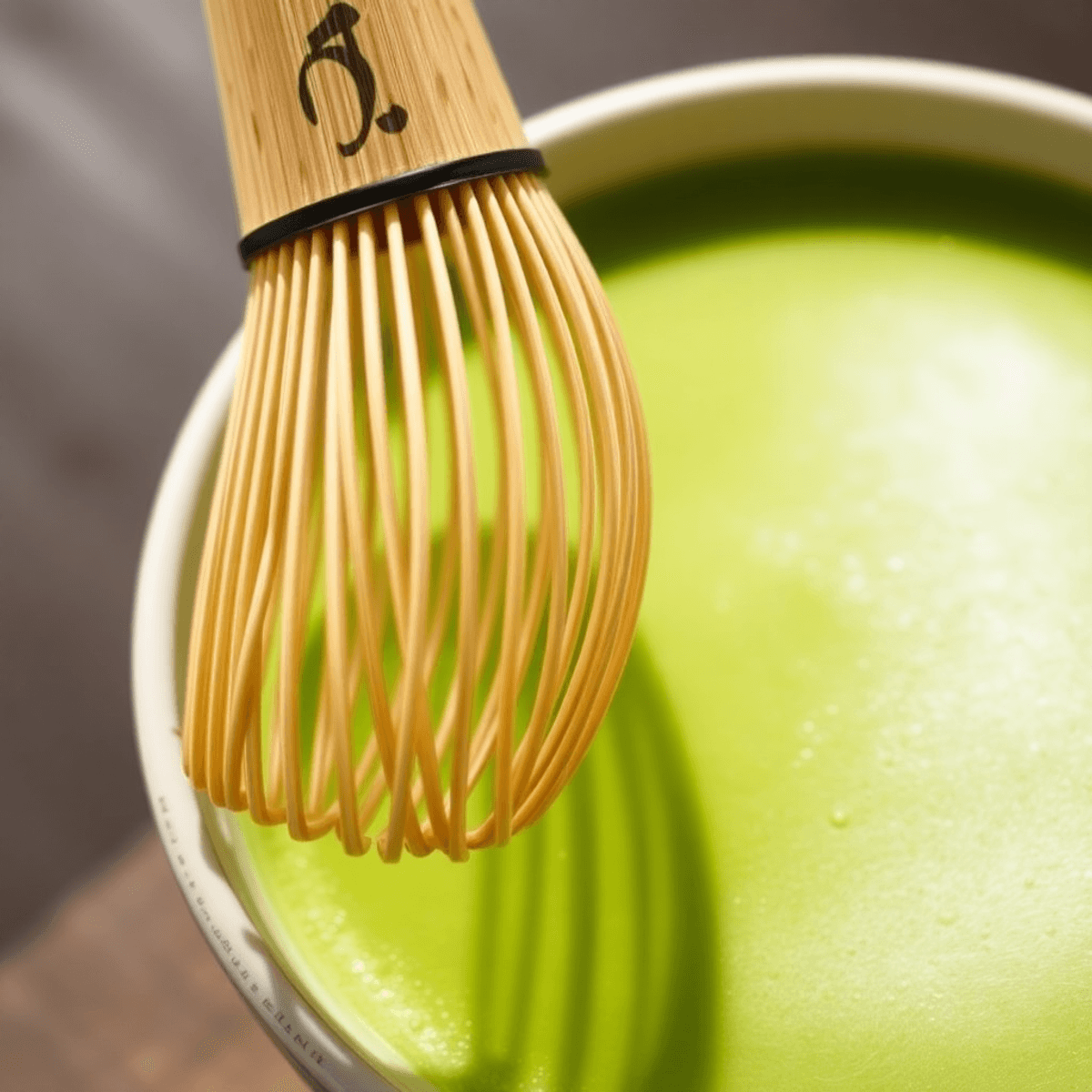
Whisking matcha the right way helps you get the most flavor and feel from the tea. If you do not do it well, the powder can form clumps and your tea can taste flat. You want to make sure your matcha is smooth and does not have any lumps. A soft, thin foam on top will make it taste and feel even better.
You may want to know the best way to whisk matcha. It is also common to ask how to get perfect foam matcha each time. If you are looking for matcha whisk how to use tips, or you wonder how to whisk matcha without bamboo whisk, this guide will help you.
Inside this article, you will find:
The tools you will need for making matcha in the old way, with a focus on the bamboo whisk (chasen) and how to whisk matcha with bamboo whisk.
A simple guide that shows you each step for how to froth matcha without a frother or using a whisk.
Tips on how to make a rich and smooth matcha latte, whether you have tools or not.
A look at the benefits of matcha and how it is not the same as other green teas (what's the difference between matcha and other teas).
This clear way makes sure that no matter how you make it or what your skill is, you can get the best taste of high-quality matcha in your cup.
Understanding the Matcha Whisk (Chasen)
The chasen is a bamboo whisk made just for making matcha. It is made from one piece of bamboo. The tiny, gentle tines spread out in a half-round shape. This design helps the chasen do two important things when you use it to mix matcha:
Breaking up clumps: Matcha powder often forms lumps when you mix it with water. The chasen has many thin prongs that help break up these clumps. This gives the tea a smooth feel.
Aerating the tea: When you use the chasen to whisk, it adds air to the mix. This makes a light and foamy top on the tea.
The way the bamboo prongs are made helps you get a smooth feel and bright green color in your matcha. Bamboo is soft and gentle on tea leaves. This is not the same as when you use a tool that is made from plastic or something else. Bamboo keeps the taste of your tea just right and does not change it.
Using things like a fork or spoon can help when you do not have the right tool, but they will not give you the same feel as a real bamboo whisk for matcha. For example, if you ask yourself how to whisk matcha with a fork, you will see that you can break up some clumps and get a little froth. But it takes a lot of strong movement and time to do that. A fork does not have many tines, and it is stiff, so you will not get the same air in the tea or the same smooth feel that you get with the chasen.
Key points about why the chasen is still a must-have:
Its fine bamboo prongs are stiff, but they also bend just enough.
The design works well for both thick (koicha) and thin (usucha) types.
It makes even bubbles, which are needed for real matcha presentation.
Knowing how to use this tool the right way will help you get better tea. Your tea will feel smooth and not gritty. It will taste good, not too strong. There will also be a nice foam on top that makes every sip feel special.
Also, knowing how you can use matcha in many ways can help you try new things with food. For example, the Oatly matcha latte has a mix of flavors you get when you whisk it the right way. You can also use matcha in sweet things, like the red bean roll cake. Adding matcha here gives the dessert a great taste.
Moreover, you should know that matcha has many health benefits. You can read this article about its benefits for women
and also another one focusing on men
for more on that. But it is important to know there are some side effects too. These are discussed in this article about side effects
.
The Chasen's Journey Through Japanese Tea History
The chasen is a key tool used in the Japanese tea ceremony. It goes back to the Muromachi period, which was from 1336 to 1573. At that time, powdered green tea called matcha got famous with Zen Buddhist monks and the rich. The bamboo whisks people used then looked simple. Still, they did what they needed to do, and that is to mix powdered tea with water.
The Evolution of the Chasen
As the Japanese tea practice, called chanoyu, changed, the chasen changed too. Over time, chanoyu turned into a special art, so every tool, like the whisk, had to be used with care and respect for beauty. Because of this, bamboo whisks started to have more detailed designs. This showed respect for tradition and good work by hand.
Cultural Significance of the Chasen
Here are a few reasons why the chasen is so important in Japanese culture:
Handcrafted bamboo construction: Each whisk is made from one part of bamboo. It is split with care into thin tines.
Symbolism: The thin tines show ideas like harmony and purity. These values are very important in chanoyu.
Ritual use: The act of whisking matcha is a calming act. It helps the person making it feel close to the old ways.
Both collectors and people who practice tea ceremonies see the chasen as more than a tool. It is a special item that shows Japanese culture and history. When you use a bamboo whisk that is made well, you are joining in this long past. You are also making sure you do things the right way.
Caring for Your Chasen
This respect for these tools is the reason why taking care of your chasen is important. Looking after it is not just about keeping it in good shape. It also helps keep a practice that is full of meaning.
Choosing the Right Chasen for Your Matcha Style
Selecting the right whisk is very important when you are learning how to whisk matcha the right way. The difference between usucha (thin tea) and koicha (thick tea) will affect your usucha chasen choice or koicha chasen selection. Each way to make this tea needs a certain kind of bamboo whisk that goes well with its feel and the way you want the foam.
Usucha Chasen Choice
Usucha is more thin and loose, and it needs a whisk that can make the matcha smooth and feel soft, with a bright green look and a gentle layer of foam. Here are the main things you get with an usucha chasen:
Design: This usually has 80–100 thin tines that are split.
Purpose: These many thin prongs are good for putting air into the matcha, so you get a light and frothy foam.
Whisking Result: It makes the well-known bubbly top and breaks up any lumps.
If you want a lively cup that feels smooth in the mouth, this is the best choice for you.
Koicha Chasen Selection
Koicha, on the other hand, is known for being thick and syrup-like. To prepare it, you need to whisk it in a different way. This means you need to use a certain kind of chasen. Here’s what you should know about koicha chasen:
Design: The whisk has fewer tines, about 16 to 20. These tines are thick and strong.
Purpose: It is used to mix thick matcha paste. You can do this without adding too much air.
Whisking Result: You get a smooth mix with little foam. The goal is to make the drink rich, not frothy.
Koicha needs you to stir it slowly and gently, not mix it fast. When you use a koicha chasen, the matcha will mix well and look smooth. There will be no bubbles or foam.
Recommendations Based on Consistency and Foam Density
Your choice depends on what you want more. Do you care more about foam or how thick it is?
For frothy usucha, choose a chasen that has many thin tines. This will help you get more air into the mix.
For dense koicha, use a whisk with fewer and strong prongs. It blends well but will not put too much air in.
If you want to use one whisk for different teas, look for one with a medium number of tines. It works well for tea that is not too thick or thin but it is not the best for either one.
When you practice how to whisk matcha the right way, picking the chasen that fits your style makes the whole process easier and helps the tea feel smooth. Using the correct one stops clumps from forming. This way, you get that nice foam or smooth feel you want.
Exploring Different Matcha Styles
When you are learning how to whisk matcha, you may want to try out different styles and see what makes each one different. If you want to make baked goods with matcha, this guide on the best double matcha for baking in 2026 can help you get some good ideas.
If you want to know how to add matcha to things like vanilla matcha, this article has some good tips.
Moreover, knowing about the health benefits of matcha can help you like this tea even more. For example, L-theanine benefits
is found in a good amount in matcha, and it may give better results than what other teas offer.
Mastering Matcha Whisking Techniques with a Bamboo Whisk
Mastering how to whisk matcha the right way means you need to follow each step. This helps bring out the best feel and taste from your tea. Using a bamboo whisk step-by-step will give you a smooth drink with no lumps. You will also get a soft layer of foam on top.
Step 1: Warm the Bowl
Start by warming up your matcha bowl with hot water. This keeps the bowl from getting too cool when you pour in water with the powder. It helps the heat stay even for good flavor. After you warm it, pour the water out and dry the bowl with a towel.
Step 2: Sift the Matcha Powder
Measure about 1 gram (that is about ½ teaspoon) of ceremonial-grade matcha powder.
Sift it through a fine mesh sieve. Do this over your warm bowl. This breaks up any lumps from the powder. You will get smooth tea each time. This step may look small, but it will save you time and hard work when you mix the tea.
Step 3: Form a Thick Paste
Add a little hot water, around 175°F (80°C), to the sifted matcha. You only need to use about 2 tablespoons (30 ml) of water, just enough to make a thick paste. Stir it gently with your chasen or a spoon until it is smooth. This paste stops the matcha from forming clumps when you add the rest of the water.
Step 4: Gradually Add Remaining Water
Slowly pour about 3-4 ounces (90-120 ml) of hot water. Be careful not to move the top of the paste too much. Keep the temperature steady at about 175°F. This helps keep the taste good and does not burn or spoil the flavor.
Step 5: Whisk with Correct Motion and Grip
Hold the chasen straight up near the top of the handle. Use your thumb and fingers to grip it. This will help you get the most feel and movement with it. Move your wrist to make the chasen go, not your whole arm. This will help you keep the right speed and keep a good beat the whole time.
Use either a quick "W" or "M" motion:
Move the whisk side to side in quick zigzag patterns.
Keep the strokes short and controlled.
Do not press down hard; let the tines skim over the top of the liquid.
This way of mixing lets air get into the matcha powder in the cup. It helps break up any small lumps. The mix forms small foam bubbles and gives the drink that smooth feel.
Step 6: Vigorous Final Whisking Until Foam Forms
Whisk well until you see a bright green color. A layer of fine, foam like what you find on cappuccino will show up and cover the top. The foam should feel thick but soft, and have tiny bubbles that spread out evenly.
If foam doesn’t form easily:
See what the water temperature is. It may be too cool or too hot.
Make sure the powder is sifted well.
Change how fast you whisk. Go a little faster if you need to, but do not splash.
When you see perfect foam, it means you have whisked matcha the right way. This helps bring out all the full taste and smooth feel, making it nice to drink or use in a latte. You will also notice the bright matcha green color that comes after you whisk it well. This color shows you did a good job with whisking.
When you learn these ways, your daily matcha time will feel better. You will turn some powder into a nice cup of tea by using the old tools and steps.
Exploring Alternative Methods for Frothing Matcha Without a Whisk or Frother
If you ever wonder how to make matcha without whisk or frother, you can use some tools that most people have in the kitchen. These can help you get a good froth and a nice smooth feel in the drink. A bamboo whisk still does the best job, but these other ways can work well if you do not have one.
Using an Electric Milk Frother
Small handheld electric milk frothers are handy and easy to use.
Heat your water to about 175°F and add sifted matcha powder.
Put the frother in and move it up and down fast for 15–30 seconds.
This way, it breaks up clumps fast and makes a layer of foam much like the chasen’s tiny bubbles.
Electric frothers are good for this, but they might not give the foam as smooth as you get from a bamboo whisk.
Regular Kitchen Whisk
A small balloon or flat whisk can copy the motion of a chasen.
Use a circular or “M” motion with medium speed to mix in air.
Sift your matcha first. Then add just enough hot water to make a smooth paste before you start whisking.
This way needs some wrist strength and patience. It will not make as thick foam, but it helps get rid of clumps well.
Fork or Spoon Technique
When there is no whisk or frother, you can use a fork or spoon. This is a simple way instead.
Stir fast in small circles or go in a back-and-forth motion. Try to pull up and mix air into the tea as much as you can.
This way does not make as much foam, but it still helps get rid of powder lumps for smooth matcha tea.
It works well if you use matcha that has been sifted and not too much water. This will help make the tea less grainy.
Tips for Best Results with Alternatives
Always start by sifting your matcha powder. This step helps you keep out those hard clumps no matter which tool you use.
Use water that is about 175°F (80°C). If the water is too hot, it can burn the matcha powder and change how it tastes.
Start by mixing a little water in with the powder. This will be thick like a paste. Then slowly add more water to thin it out. Doing this helps the powder mix in well.
Be patient with these methods. They often take more work and time than using a chasen. Still, they work well when you need them.
These techniques give you easy ways to learn how to make matcha without whisk or frother when you need to. They help you mix the powder well. The powder gets broken up and air goes into the tea. However, the tea may not get the usual creamy foam on top. Still, when you know these steps, you can have good matcha any time and any place.
Making a Delicious Matcha Latte: A Step-by-Step Guide
To make a matcha latte that has a rich taste and smooth feel, start by making a strong usucha-style matcha base. This thicker base is the heart of your latte. It helps the bright flavor of matcha stand out, even after you mix it with milk.
Preparing the Matcha Base
Sift about 1 to 1.5 grams (about ½ teaspoon) of ceremonial-grade matcha powder into the bowl. Sifting helps break up lumps and gives you a smooth drink.
Add about 60 ml (2 fluid ounces) of hot water at around 175°F (80°C). If the water is too hot, the matcha will taste bitter, so the right temperature is important.
Use the bamboo whisk to mix the matcha powder and water well. For how to whisk matcha properly, start by making a thick paste first. Then, slowly add all the water. Whisk quickly back and forth in a "W" or "M" motion. A bright green color and a thin layer of foam will show up on top.
This strong usucha base gives a bold taste but it is not too much. It is good to use with milk.
Heating and Preparing Milk
Heat the milk you want to use. Whole, skim, oat, almond, and soy milk all work well for this.
Use low heat so you do not burn the milk. Try to keep it around 140°F (60°C). This help it taste sweet, and it keeps the milk from getting ruined.
If you want, you can froth the milk a little. For the best feel, try to get soft, tiny bubbles on top. This helps add a smooth texture that goes well with the matcha's creamy feel.
Combining Matcha and Milk
Pour the warm milk slowly over your made matcha base.
If you wish to put some foam on top, use a spoon to hold it back.
Stir a bit to mix the flavors, but keep the foam on top.
This way helps to keep the strong matcha taste and the soft feel of the milk together. You get a smooth and bright latte. There is a gentle sweetness that comes from the milk. It makes the tea taste better without taking over the flavor.
Tips on How to Make Matcha Latte with Whisk
Use freshly sifted powder each time to get the same good results.
Whisk fast but keep your wrist in control; that will help you make fine foam without splashing.
Do not add sugar or sweeteners before whisking; mix them in after to keep the foam good.
Try different milk types and different frothing ways to get the feel and thickness you like.
Getting good at how to whisk matcha the right way has a big effect on your latte’s taste and feel. When you whisk it well, the matcha blends better with milk. This gives you that smooth feel in your mouth and creates that nice foam on top you often see in café matcha lattes.
Besides being good to drink, matcha lattes offer numerous health benefits. They can be a good part of your day.
Care and Maintenance Tips for Your Bamboo Matcha Whisk (Chasen)
Taking care of your bamboo whisk is important if you want it to last a long time. You need to keep the chasen's thin tines in good shape so they stay strong when you use them and when you practice how to whisk matcha properly. This helps your whisk work well every time.
1. Rinse immediately after use
Use only warm water. Do not use soap or detergent. Soap can harm the bamboo and also leave stuff on it that changes taste. Do not put it in the dishwasher. The heat and water in there can bend or break the whisk.
2. Dry upright on a stand
Put your chasen on a whisk holder (kusenaoshi) or any stand that keeps the tines apart. This helps air move around it, so there will be less moisture. It stops mold from growing or the whisk from bending out of shape.
3. Avoid prolonged soaking
If you leave the whisk in water for too long, the bamboo gets soft. This can make it lose its shape fast.
4. Occasional light sanding for splinters
If you see small splinters or feel rough edges on the tines, use some fine-grit sandpaper to smooth them out gently. This can help keep the tips in good shape without making your whisk stiff.
Taking these easy steps helps keep your bamboo whisk in good shape. You can count on it every time you make matcha. It will help you get smooth tea without lumps and a nice layer of foam on top. Taking care of your whisk shows you value tradition and want to get better at how to whisk matcha properly.
FAQs (Frequently Asked Questions)
What is the importance of using a bamboo whisk (chasen) for preparing matcha?
The bamboo whisk, also called a chasen, is key for making matcha. You use it to break up lumps and add air while you whisk. Its shape helps you make a smooth mix, with tiny bubbles on top. This is important if you want a good cup of matcha that has a nice layer of foam.
How do I properly whisk matcha using a bamboo whisk?
To whisk matcha the right way, start by warming up your bowl. Sift about 1 gram (½ teaspoon) of good matcha powder into the bowl. This helps keep out lumps. Add a little hot water (at about 175°F) to the powder. Mix them together until you get a thick paste. Then, slowly add more water.
Hold the whisk straight up near the top of the handle. Whisk in a back and forth motion, like making a "W" or "M". Keep your wrist loose and move quick. Whisk until the tea turns bright green and you see a soft foam on top, like what you get on a cappuccino.
Can I froth matcha without a traditional bamboo whisk or electric frother?
Yes, you can make matcha frothy with tools you have at home. You can use things like electric milk frothers, whisks, forks, or spoons. These tools may not give you the tiny bubbles like a bamboo whisk, but they will still help you get some foam on your matcha.
What are the differences between usucha and koicha matcha styles and how do they affect whisk selection?
Usucha is a thin matcha. You need a chasen that makes light foam for it. Koicha is thick matcha. It needs a chasen made to mix it into a dense mix. The whisk you pick should match the type of matcha and how much foam you want. This helps you get the best feel and taste for your matcha.
How can I make a delicious matcha latte using proper whisking techniques?
Get the powder that is used for the matcha and sift it well. Mix this powder with hot water in the right amount to make a strong usucha-style base. In another container, heat or steam the milk. When ready, slowly add the warm milk to the matcha base. Do this in a way that keeps the foam on top. A bamboo whisk can help you mix them together well and gives you a nice, smooth latte to enjoy.
What are the best practices for caring for my bamboo matcha whisk (chasen)?
After you use your chasen, gently rinse it right away with warm water. Do not use soap or put it in the dishwasher. Dry it by standing it up on a holder so the air can move around the tines. This will help stop mold and keep it from bending out of shape. If you see any splinters now and then, use light sanding to get rid of them. This will help your chasen last longer and work well.


Comments
Post a Comment