Matcha Whisk (Chasen) Guide 2026: Pick the Right One
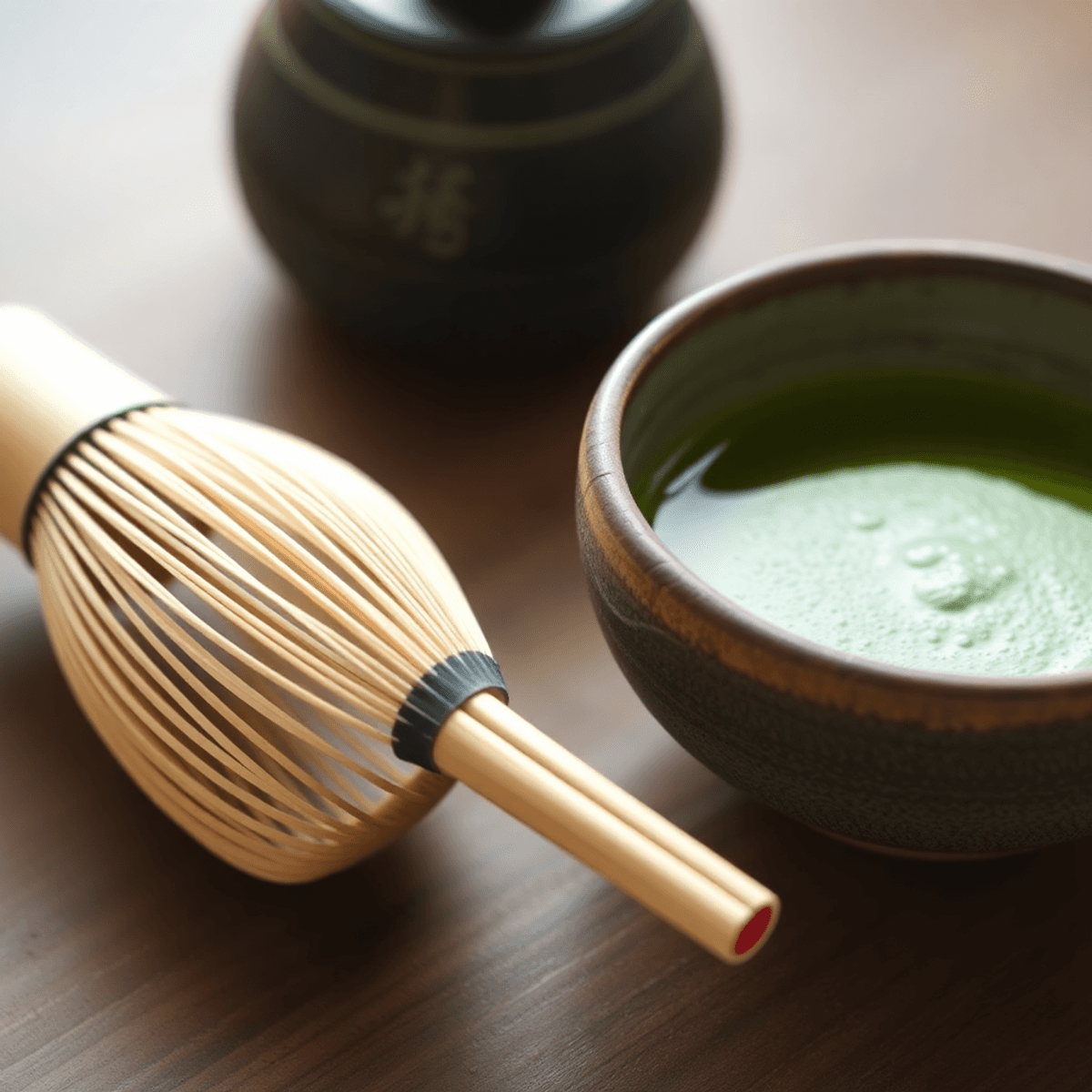
The matcha whisk, known traditionally as the chasen, is a specialized bamboo tool essential for preparing authentic matcha tea. This delicate whisk is crafted to blend matcha powder with water smoothly, creating the signature frothy texture and vibrant flavor that define a true cup of matcha.
Using the right chasen makes a significant difference in both the taste and appearance of your matcha. Unlike metal or electric whisks, the traditional matcha whisk is designed specifically to aerate and emulsify the fine powdered tea, ensuring a lump-free, creamy consistency that highlights umami notes while minimizing bitterness.
This Matcha Whisk Guide (Chasen) aims to help you navigate the variety of chasen styles available in 2026. You will learn how to select the ideal whisk based on your preferences, skill level, and intended use—whether for everyday enjoyment or ceremonial preparation. Understanding these nuances empowers you to elevate your matcha experience with a tool steeped in centuries of craftsmanship and cultural heritage.
For those interested in exploring more about matcha beyond just its whisking technique, this ultimate guide to matcha green tea provides comprehensive insights. If you're considering incorporating matcha into your baking, you might want to check out the best double matcha for baking in 2026.
Moreover, if you're curious about how matcha differs from juice, this article explains the differences. Lastly, for those looking to deepen their relationship with matcha, explore its love, benefits, and daily recipes which can enhance your overall experience with this remarkable green tea.
What Is the Matcha Whisk Called? Introducing the Chasen (茶筅)
The term chasen (茶筅) refers to the traditional Japanese matcha whisk. The kanji characters translate directly as tea (茶) and bamboo whisk (筅), precisely describing this essential tool crafted for preparing matcha tea.
The chasen meaning is straightforward but carries cultural depth. It is not just any whisk; it is a finely made utensil specialized for matcha, designed exclusively from bamboo. This natural material allows flexibility and durability needed to handle matcha powder without damaging its delicate texture.
Design and Craftsmanship
A chasen consists of a single piece of bamboo meticulously carved into numerous thin tines or prongs. These prongs fan out in a circular pattern, allowing you to whisk matcha powder and hot water efficiently. Unlike metal or electric whisks, the bamboo's natural springiness creates the ideal froth while gently breaking up clumps.
Key features include:
- Multiple thin tines: Usually between 80 to 120, enabling fine aeration.
- Lightweight handle: Comfortable grip for precise wrist movements.
- Natural bamboo texture: Prevents over-aggressive mixing that can alter flavor.
Core Function: Frothy, Lump-Free Matcha
Using a chasen goes beyond simple mixing. Its unique structure lets you create the signature frothy surface on matcha known as usucha (thin tea). The action of whisking with flexible bamboo prongs produces microbubbles that give matcha its creamy, velvety texture—something metal whisks or electric alternatives struggle to replicate.
A traditional chasen excels at:
- Emulsifying matcha powder smoothly into water
- Generating stable foam that enhances mouthfeel
- Preserving the vibrant green color and umami flavor
Many people searching for a matcha whisk set often ask if electric tools like a matcha whisk electric can replace the chasen. While electric whisks offer convenience, they cannot fully reproduce the nuanced texture or ceremonial experience provided by a handmade bamboo chasen.
For those wondering where to find one locally, queries such as matcha whisk near me or checking popular retailers like matcha whisk target stores can be useful starting points. To maximize your use, learning about matcha whisk how to use techniques ensures you get authentic results with your chasen every time.
This specialized design and function position the chasen not only as a tool but as an indispensable part of Japanese tea culture and modern matcha preparation rituals alike. The versatility of the chasen extends beyond traditional uses; it can also be employed in preparing frothy iced matcha drinks or even in creating unique recipes such as matcha marble loaf.
Moreover, understanding the health benefits associated with matcha, particularly for women, can further enhance your appreciation for this green tea variant (Matcha benefits for women). Additionally, exploring what contributes to its vibrant green color can deepen your knowledge of this beloved beverage.
Why So Many People Search for the Matcha Whisk Name
The surge in global interest around matcha culture growth plays a significant role in the curiosity about traditional tools like the chasen. As matcha moves beyond Japan to cafes, wellness communities, and homes worldwide, more people want to grasp the authentic methods behind its preparation.
Beginners often start their journey by seeking the chasen name origin. Understanding the correct terminology becomes a gateway to appreciating the deeper cultural and practical aspects of matcha making. The simple act of knowing what to call the whisk connects users directly to centuries-old traditions and craftsmanship.
Search trends reveal a sharp rise in online queries for “matcha whisk name”. This pattern reflects a widespread desire not just to own the tool but to respect its history and function. People want precision—knowing they are using an authentic chasen rather than a generic whisk enhances their experience.
Interest in Proper Names Signals Respect for Cultural Authenticity
The increasing number of searches for the specific term "chasen" indicates that individuals are not only interested in purchasing a matcha whisk but also in understanding its cultural significance. By actively seeking out the proper name, they demonstrate a desire to honor and appreciate the traditions associated with matcha preparation.
Terminology Helps Beginners Distinguish Between Different Types of Whisks and Their Purposes
As beginners delve into the world of matcha, it becomes essential for them to familiarize themselves with various types of whisks available. Each type serves a distinct purpose and contributes differently to the tea-making process. By learning about these distinctions through terminology, newcomers can make informed choices when selecting their tools.
Learning the Name Encourages Further Research into Matcha Rituals, Tea Ceremonies, and Specialized Equipment
The quest for knowledge often leads individuals down paths they may not have initially considered. In this case, as people become curious about what makes a whisk specifically suited for preparing matcha, they may find themselves exploring related topics such as traditional tea ceremonies or other specialized equipment used in conjunction with this ancient beverage.
This growing awareness highlights how language acts as a bridge connecting modern tea drinkers with traditional practices. The chasen name origin is more than semantics; it’s about preserving an art form that defines genuine matcha preparation.
Moreover, this rising curiosity can be linked to the increasing popularity of matcha in various forms. From being a key ingredient in matcha breakfast options to its health benefits that outshine traditional coffee, matcha is becoming a staple for many.
In addition, its versatility is evident as it transitions into beloved drinks like the matcha latte, which has numerous health benefits including those particularly advantageous for men as outlined in this article on matcha benefits for men.
Furthermore, the unique properties of matcha such as L-theanine benefits contribute to its growing fan base, leading more individuals to seek out authentic tools like the chasen to fully immerse themselves in the matcha experience.
The History of the Chasen: From Ancient Japan to Modern Kitchens
Muromachi Period Origins and the Birth of the Tea Ceremony
The history of chasen begins in Japan’s Muromachi period (1336–1573), a time marked by cultural refinement and the establishment of many traditional arts. This era saw the formalization of the Japanese tea ritual, which eventually evolved into what is known today as chado or the Japanese tea ceremony. The chasen emerged as an essential tool during this period, designed specifically to whisk powdered green tea—matcha—into a smooth, frothy beverage.
Crafted from bamboo, the chasen was developed to meet the unique needs of preparing matcha, which requires delicate yet thorough mixing to prevent clumps and produce a fine foam. Unlike metal or electric whisks, the chasen's soft bamboo tines allow for gentle aeration that preserves the tea’s flavor profile and texture. This innovation became central to matcha whisk evolution and remains unmatched in its ability to create authentic matcha.
The creation and use of the chasen were deeply intertwined with the rise of chado as both an art form and spiritual practice. The tea ceremony emphasized harmony, respect, purity, and tranquility—principles reflected in every aspect of preparation, including whisking. The chasen’s role extended beyond function; it became a symbol of mindfulness and craftsmanship.
Cultural significance established during the Muromachi period still resonates in modern kitchens worldwide. The reverence for tradition means that many matcha enthusiasts today seek out authentic chasens made using techniques passed down from those early artisans. This connection between ancient practice and contemporary enjoyment highlights why understanding the Japanese tea ceremony origins is key to appreciating the chasen.
The chasen is not merely a utensil but a bridge linking centuries-old traditions with today’s global matcha culture. It stands as a testament to Japanese craftsmanship and philosophy embedded in every whisking motion during your matcha preparation.
Takayama, Nara: The Heartland of Chasen Craftsmanship
The history of chasen craftsmanship is deeply rooted in Takayama, located in Nara Prefecture. This region has earned a distinguished reputation as the historic center for producing some of the finest matcha whisks in Japan. Its legacy extends beyond mere production; it embodies centuries of bamboo artisanry closely tied to the cultural fabric of Japanese tea rituals.
Traditional Craftsmanship
Takayama’s artisans continue to uphold traditional methods passed down through generations. Each chasen is meticulously handcrafted from carefully selected bamboo, reflecting an intimate understanding of the material's properties and how they affect whisk performance. The process demands precision—splitting, shaping, and curling each tine by hand ensures the final product meets specific standards crucial for optimal matcha preparation.
Cultural Heritage
Bamboo craftsmanship in this area is more than a trade; it is a cultural heritage. The artisans’ skills are intertwined with the evolution of the matcha whisk itself, reinforcing its role within Japanese tea ceremony origins and chado history dating back to the Muromachi period. The tactile relationship between craftsman and bamboo results in whisks that not only perform well but also carry symbolic value representing harmony, respect, purity, and tranquility—the core principles of the tea ceremony.
Global Influence
This rich tradition continues to influence modern kitchens worldwide. As matcha culture spreads globally, those who seek authentic preparation tools gravitate toward chasens from Takayama due to their superior quality and connection to Japanese tea ritual heritage. These artisan whisks exemplify how historical craftsmanship remains central to contemporary matcha enjoyment.
The continued prominence of Takayama in chasen making highlights how ancient craft traditions adapt yet endure, supporting both ceremonial use and everyday culinary practices involving matcha tea.
How the Chasen Spread Beyond Japan
The history of chasen goes back many years, starting from the Muromachi period when the Japanese tea ceremony (chado) began to develop. This traditional bamboo whisk was an essential tool in those early tea rituals, specifically made to enhance the texture and taste of matcha. As the Japanese tea ritual grew, so did the importance of the chasen, evolving into not just a practical tool but also a representation of mindfulness and skill.
The evolution of the matcha whisk from being solely used in ceremonies to becoming a widely used kitchen item around the world is quite impressive. The increasing popularity of matcha outside Japan opened up new opportunities for the chasen's story. From ancient tea houses to contemporary cafés, this simple bamboo instrument remains crucial for authentic matcha preparation everywhere.
Several reasons contributed to this worldwide acceptance:
1. Global Matcha Adoption
Matcha’s journey from Japan to global markets sparked curiosity about traditional tea-making tools. Enthusiasts and newcomers alike sought genuine experiences, driving demand for authentic chasens instead of electric or metal alternatives.
2. International Wellness Trends
Matcha fits perfectly with health-conscious lifestyles due to its antioxidants, L-theanine content, and natural energy boost. Wellness movements emphasizing ritual, quality ingredients, and mindful consumption embraced matcha—and by extension, the use of a proper chasen.
3. Café Culture Matcha
Specialty coffee shops and tea houses worldwide incorporated matcha into their menus. Baristas trained in traditional techniques used chasens to create visually appealing froth and smooth textures, helping elevate matcha drinks beyond just powdered green tea mixes.
4. Cultural Exchange and Education
Workshops, online tutorials, and cultural events introduced many to the chado history, fostering appreciation for both the ceremonial origins and practical use of the chasen. This educational exposure encouraged more people to buy quality bamboo whisks.
This growth shows how a tool created during Japan’s Muromachi period still thrives today despite changing tastes around the world. The Matcha Whisk Guide (Chasen) highlights this journey from ancient ceremony to contemporary kitchens where tradition meets innovation — preserving authenticity while adapting to modern lifestyles.
How a Chasen Is Made: The Art of Bamboo Craftsmanship
The Single-Bamboo Construction Process
The handmade chasen process begins with selecting the perfect bamboo stalk. Artisans look for straight, mature bamboo that has the right thickness and flexibility. This single piece of bamboo serves as the foundation for the entire whisk.
Step-by-step bamboo whisk making:
- Selection and Harvesting
- Bamboo is carefully harvested during specific seasons to ensure optimal moisture content. Proper drying follows to prevent cracking during carving.
- Initial Shaping
- The selected stalk is trimmed to size. The artisan then splits one end into several thin strips—these will become the tines of the whisk.
- Carving and Splitting Tines
- Using fine blades, each tine is hand-carved with precision, often split multiple times to create the desired number of prongs (tines). This stage requires careful attention because tine thickness impacts whisk flexibility and frothing ability.
- Forming the Handle
- The opposite end of the bamboo stalk is shaped into a comfortable handle. Balance between handle weight and tine flexibility is critical to performance when whisking matcha.
- Curling the Tines
- Each tine is curled inward slightly to form a rounded cage-like structure. This design allows efficient aeration of matcha powder in water, producing a creamy froth without damaging delicate tea leaves.
- Final Finishing Touches
- Artisans smooth any rough edges and inspect every tine for uniformity and strength. Sometimes, a small band or natural binding secures the tines at their base for added durability.
These handcrafted whisks reflect generations of artisanal bamboo craft perfected in regions like Takayama, Nara. Each step in the chasen manufacturing steps demands skillful hands and an intimate knowledge of bamboo’s natural properties.
This single bamboo carving technique distinguishes authentic chasens from mass-produced alternatives. It ensures flexibility, resilience, and optimal performance tailored specifically for traditional matcha preparation rituals.
Types of Bamboo Used and Why It Matters
Each chasen is a handcrafted whisk born from the delicate art of single bamboo carving. The handmade chasen process requires selecting the right bamboo variety before the skilled artisan begins the intricate chasen manufacturing steps. Every stage, from splitting the stalk to carving and shaping the tines, demands precision comparable to traditional sword-making craftsmanship.
Two primary types of bamboo dominate the world of bamboo whisk making: white bamboo (shirotake) and black bamboo (kurotake). Their unique characteristics directly impact both durability and whisking performance.
1. White Bamboo (Shirotake)
- Known for its lighter color and smooth texture
- Slightly more flexible tines, allowing greater finesse when whisking
- Produces a gentle yet effective froth, ideal for delicate matcha ceremonies
- Preferred when artisans aim for a balance between resilience and softness
2. Black Bamboo (Kurotake)
- Darker hue with denser fiber composition
- Offers enhanced durability and longer lifespan under regular use
- Provides firmer tine stiffness, perfect for vigorous whisking motions
- Well-suited for heavier matcha preparations requiring strong emulsification
Artisans carefully evaluate each bamboo stalk's grain, moisture content, and strength to ensure it meets the high standards necessary for crafting a superior chasen. The choice between white and black bamboo influences not only how the whisk performs but also how it feels in your hand during preparation.
This attention to material quality contributes to:
- Consistent creation of microfoam essential for authentic matcha texture
- Whisk longevity, reducing frequent replacements despite daily use
- Preservation of traditional aesthetics tied to regional craftsmanship
Understanding these nuances helps you select a chasen that matches your matcha style. Whether you seek the subtle grace of white bamboo or the robust endurance of black bamboo, recognizing these options enriches your knowledge in this Matcha Whisk Guide (Chasen).
Understanding Prong Count: 80, 100, and 120 Tines
Each chasen is a masterpiece of the handmade chasen process, crafted from a single piece of bamboo through intricate single bamboo carving. This artisanal skill involves precise chasen manufacturing steps such as splitting, carving, shaping, and curling the tines. The level of craftsmanship rivals traditional sword-making, reflecting deep expertise in bamboo whisk making and artisanal bamboo craft.
The number of tines or prongs on a chasen significantly influences its whisking performance and the resulting froth quality. Common tine counts are 80, 100, and 120, each serving different purposes based on matcha style and texture preference:
1. 80 Tines
Designed with fewer, sturdier prongs, this type is ideal for beginners or everyday use. The wider spacing produces a robust foam quickly, perfect for preparing usucha (thin tea). It creates larger bubbles that provide a lively froth but less delicate creaminess.
2. 100 Tines
Offering a balance between sturdiness and finesse, these whisks generate finer microbubbles for a smoother texture. Suitable for more experienced users aiming to improve their technique or serve slightly thicker matcha. The increased prong count supports delicate emulsification while maintaining durability.
3. 120 Tines
Favored in formal tea ceremonies (chado), these finely carved tines create the silkiest, creamiest froth with minimal bubble size. The high prong density requires expert handling but rewards with superior mouthfeel and visual elegance in koicha (thick tea). This choice reflects advanced skill and appreciation for subtle texture nuances.
Choosing the right tine count depends on how you prefer your matcha's mouthfeel and your familiarity with traditional preparation methods. The handcrafted whisk’s tine flexibility also impacts performance—more tines mean thinner prongs that require gentle care during use and cleaning.
Understanding these differences helps you select a chasen matching your intended use, whether it’s casual daily enjoyment or ceremonial precision. Each bamboo whisk’s design blends natural material properties with artisan skill to deliver authentic matcha experiences impossible to replicate by electric alternatives or metal whisks.
Using and Caring for Your Matcha Whisk (Chasen)
Using your chasen correctly preserves its delicate bamboo structure and ensures the best matcha experience. The process starts with how to use matcha whisk effectively, followed by essential caring for chasen tips to extend its lifespan.
Preparing Your Chasen Before Use
- Soak in warm water: Before whisking, immerse the chasen’s tines in warm water for about 1–2 minutes. This softens and relaxes the bamboo, making it more flexible and less prone to breaking during vigorous whisking.
- Avoid using boiling water; lukewarm or gently hot water is ideal to prevent damage.
- After soaking, shake off excess water but keep the tines moist to maintain optimal performance while whisking.
Proper Whisking Technique
- Hold the chasen comfortably by the handle.
- Use a rapid M or W motion to whisk matcha powder and water efficiently.
- The softened bamboo tines will create a smooth, frothy texture without damaging the whisk.
Cleaning Tips for Your Chasen
Preserving bamboo quality requires gentle cleaning habits:
- Rinse immediately after use under warm running water. This removes residual matcha powder without harsh scrubbing.
- Avoid using soap or detergents as they can leave residues that affect flavor and degrade bamboo fibers.
- Never put your chasen in a dishwasher or soak it overnight; prolonged exposure to moisture weakens the bamboo.
Drying and Storage Practices
Proper drying prevents mold and maintains shape:
- Gently shake off excess water after rinsing.
- Place the chasen upright on a clean surface or use a kusenaoshi — a traditional curved holder designed specifically for supporting the whisk’s tines.
- Upright storage helps maintain tine curvature, preventing splaying or deformation over time.
- Store your chasen in a dry, well-ventilated area away from direct sunlight or heat sources which can cause cracking.
Signs It’s Time to Replace Your Chasen
Bamboo whisks naturally wear out with regular use. Look out for:
- Broken or missing tines
- Tine separation causing uneven whisking
- Discoloration or signs of mold despite proper care
Replacing your chasen every few months keeps matcha preparation consistent and enjoyable.
Mastering how to use matcha whisk alongside careful caring for chasen techniques preserves this traditional tool’s integrity. Gentle cleaning methods combined with proper soaking, drying, and storage ensure your bamboo whisk remains flexible, durable, and ready to deliver authentic frothy matcha every time.
Matcha Whisk Sets in 2026: What to Look For
When selecting a matcha whisk set in 2026, understanding the typical components and how they cater to different user needs is essential. Matcha enthusiasts, whether beginners or seasoned practitioners, benefit from choosing the right configuration tailored to their routine and skill level.
Common Components of Matcha Whisk Sets
- Chasen (Matcha Whisk): The core tool made of bamboo designed for whisking matcha into a smooth froth. It's important to consider the tine count variations within the included whisk for your preferred froth style.
- Kusenaoshi (Whisk Holder): A curved stand that preserves the chasen’s tine shape, extending its lifespan and maintaining performance.
- Chashaku (Scoop): A small bamboo scoop specifically sized for measuring matcha powder accurately. The chashaku allows precise measure control, which directly influences flavor intensity.
- Sifter: Often included to break up clumps in matcha powder, ensuring a smooth blend without lumps.
- Chawan (Tea Bowl): Traditional bowls designed with wide mouths to allow effective whisking and appreciation of matcha's color and texture.
- Instructional Guide or Booklet: Especially common in starter kits, these provide step-by-step preparation tips and cultural context.
Differentiating Starter Kits From Complete Ceremonial Sets
Starter kits generally include the essentials: a chasen, chashaku, sifter, and sometimes a small chawan. These kits focus on functionality and ease of use for newcomers who want an authentic experience without overwhelming complexity. The inclusion of an instructional guide helps beginners grasp proper techniques quickly.
Complete ceremonial sets elevate the experience by adding:
- Larger or more artistically crafted chawans suitable for formal tea ceremonies.
- Premium-grade chasens with higher tine counts for finer froth textures.
- Decorative kusenaoshi holders made from lacquered wood or ceramic.
- Gift packaging that highlights traditional aesthetics and craftsmanship.
These sets appeal to collectors, practitioners dedicated to mastering chado (the Way of Tea), or those seeking meaningful gifts.
Accessory Inclusion Matters
Accessories affect both convenience and authenticity. For example:
- A high-quality sifter ensures powder clumps never disrupt the whisking process.
- The kusenaoshi holder prevents wear on delicate bamboo tines, preserving balance and flexibility critical for effective whisking motions.
- A well-sized chashaku allows precise measure control, which directly influences flavor intensity.
Evaluating what accessories come bundled helps determine if a set matches your level of commitment—whether casual enjoyment or ritual practice.
Choosing Based on Usage and Preference
If your goal is daily matcha preparation with minimal fuss, prioritize starter kits emphasizing durability and ease of cleaning. For deeper cultural engagement or gifting purposes, look toward ceremonial sets offering handcrafted artistry alongside functional tools.
This approach guides you beyond simply owning a whisk—enabling you to embrace matcha preparation as a mindful ritual enriched by tradition.
As you explore this world, remember that there's more to matcha than just whisking. It's about understanding its essence. For instance, do you know [what's the difference between matcha and other types of green tea](https://green
Choosing the Right Chasen for Your Needs in 2026
Selecting a matcha whisk in 2026 means understanding your own matcha habits and preferences. The chasen you pick should align with whether you prepare matcha casually or engage in formal tea ceremonies.
Casual vs Ceremonial Whisk
1. Casual Use:
Look for a chasen with around 80 tines. This tine count handles everyday usucha (thin tea) well, producing robust froth quickly. It’s forgiving if you’re new to whisking or want efficiency without sacrificing quality. Casual whisks often have a slightly sturdier feel to withstand frequent use.
2. Ceremonial Use:
Opt for chasens with 100 to 120 tines. These create finer, creamier foam ideal for koicha (thick tea) and elevate the aesthetic experience of traditional chado. They require more delicate handling but reward with a silky texture and nuanced flavor extraction.
Quality Indicators to Consider
1. Balanced Weight and Feel:
A well-crafted chasen feels balanced in your hand. It shouldn’t be too heavy or flimsy. Proper weight helps maintain control during the rapid M or W motions needed for optimal froth.
2. Craftsmanship Details:
Inspect tine uniformity and smoothness. Hand-carved tines that taper evenly avoid tearing the delicate matcha leaf particles, ensuring smoother emulsification and foam. Handles should be comfortable with no rough edges.
3. Bamboo Type:
White bamboo (shirotake) is common, flexible, and durable for most users. Black bamboo (kurotake) tends to have a firmer texture, preferred by those seeking longevity and refined performance.
Foam Preferences Influence Choice
Foam texture defines much of the matcha experience:
- If you prefer vigorous, frothy foam that rises quickly atop your bowl, an 80-tine chasen suits you best.
- For a silky, dense creaminess with smaller bubbles typical in ceremonial settings, choose from the higher tine counts.
Adjusting your whisk selection according to foam preference ensures every cup meets your taste expectations.
Pairing Your Chasen with Bowls and Powder
The right chasen alone won’t guarantee perfect matcha; it works best when paired thoughtfully:
- Use bowls (chawan) sized appropriately—wide enough for whisk movement but deep enough to prevent splashing.
- Select high-quality matcha powder with fine granules to complement your whisk’s ability to create smooth suspension.
- Combining these elements maximizes flavor preservation and presentation.
Choosing the right chasen hinges on matching it to how you enjoy preparing and drinking matcha. Paying attention to tine count, craftsmanship quality, and pairing choices sets you up for consistently satisfying cups throughout 2026.
For those who enjoy experimenting beyond traditional boundaries, consider trying out unique recipes such as a matcha pistachio cream tart, which could add an exciting twist to your matcha experience!
Conclusion
The Matcha Whisk Guide (Chasen) equips you with essential knowledge to choose and care for the perfect chasen in 2026. This traditional bamboo whisk is not just a tool but a gateway to authentic matcha preparation, offering:
- Unmatched froth quality that no metal or electric whisk can replicate
- A rich cultural heritage rooted in centuries of Japanese tea ceremony tradition
- Artisanal craftsmanship that balances function and beauty
Your choice of chasen should reflect your matcha routine—whether you seek quick, frothy usucha or the refined creaminess of koicha. Pay attention to tine count, bamboo type, and handle comfort to elevate your whisking experience.
Remember these key care tips:
- Soak your chasen before each use to preserve flexibility
- Clean gently without soap, rinse with warm water only
- Use a kusenaoshi holder to maintain tine shape and extend lifespan
Selecting the right chasen transforms simple matcha preparation into a mindful ritual that honors tradition while embracing modern wellness culture. This guide helps you make informed decisions so every cup you whisk is vibrant, creamy, and full of umami flavor.
Engage with the practice fully and enjoy the sensory journey that comes from using an authentic chasen—the heart of true matcha tea-making.
FAQs (Frequently Asked Questions)
What is a matcha whisk called and what does the term 'chasen' mean?
The matcha whisk is called a chasen (茶筅) in Japanese. It is a traditional bamboo whisk specifically crafted for preparing authentic matcha tea, designed to create a frothy, lump-free texture that distinguishes it from metal or electric whisks.
Why are many people curious about the name 'chasen' and its role in matcha culture?
The rising global interest in matcha culture has sparked curiosity about traditional tools like the chasen. Beginners especially seek to understand authentic preparation methods starting with terminology, leading to increasing online searches for the 'matcha whisk name.'
What is the historical origin of the chasen and its significance in Japanese tea ceremonies?
The chasen originated during Japan's Muromachi period and played an integral role in developing the formal tea ceremony known as chado. This cultural importance established centuries ago continues today, underscoring the chasen's essential place in Japanese tea rituals.
Where is the historic center of chasen craftsmanship and what makes it unique?
Takayama in Nara prefecture is renowned as the historic heartland of chasen craftsmanship. Artisans here use traditional bamboo crafting techniques passed down through generations, producing high-quality whisks that carry significant cultural legacy and unmatched artisanal quality.
How did the chasen spread beyond Japan and gain global popularity?
The chasen gained popularity outside Japan alongside the rising global interest in matcha, fueled by international wellness trends and specialty café culture. This worldwide adoption highlights the chasen's role not only as a traditional tool but also as part of modern health and lifestyle movements.
How is a handmade chasen crafted from bamboo, and why is this process important?
Each handmade chasen is crafted from a single stalk of bamboo through meticulous carving and shaping of tines by skilled artisans. This artisanal process ensures proper balance and functionality, comparable to traditional sword-making techniques, which is crucial for achieving optimal performance when whisking matcha.


Comments
Post a Comment