Matcha vs Green Tea for Weight Loss: What Wins?
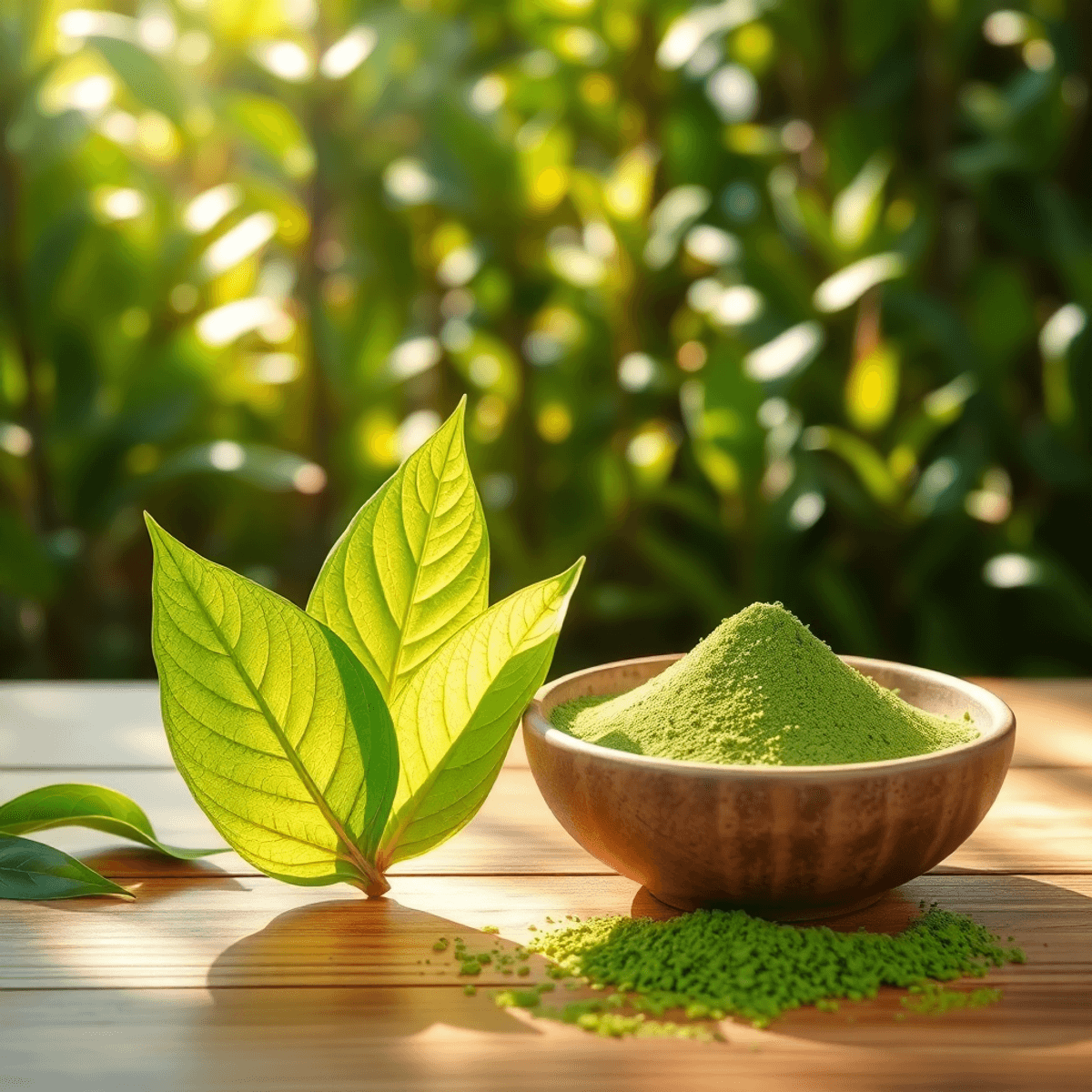
Green Tea and Matcha: Two Sides of the Same Leaf
Both matcha and green tea come from the Camellia sinensis plant, but they have different methods of cultivation, processing, and consumption. Knowing these differences is important when looking at their potential benefits, especially in areas like weight loss, antioxidant content, taste, and caffeine levels.
1. Cultivation
Green tea plants are usually grown in direct sunlight, while matcha production involves shading the tea bushes for a few weeks before harvest. This shading increases chlorophyll and amino acid levels in matcha leaves.
2. Processing
After being harvested, green tea leaves are steamed or pan-fired and then steeped in hot water for drinking. Matcha leaves go through an extra step where stems and veins are removed, and the remaining leaf material is stone-ground into a fine powder.
3. Consumption
With green tea, you steep the leaves and throw them away; with matcha, you consume the entire powdered leaf mixed in water.
These basic differences lead to variations in nutritional profiles:
- Caffeine Content: Matcha generally has about twice as much caffeine per serving compared to brewed green tea.
- Antioxidants: Since you eat the whole leaf with matcha, antioxidant levels—especially catechins like EGCG—can be significantly higher than in green tea infusions.
This matcha vs green tea comparison sets the stage for a closer examination of how each influences weight loss efforts. You will discover how their unique properties affect metabolism and fat burning, alongside differences in taste and health considerations. By the end of this article, you'll have clear insights to decide which tea aligns best with your preferences and wellness goals.
For example, if you're thinking about adding matcha to your diet for its health benefits or as a special ingredient in dishes like spinach cheese bake, or maybe trying out matcha lattes, this article will give you helpful information.
What Is Green Tea? Origins and Varieties
Green tea has its roots in China, where it was first discovered and cultivated thousands of years ago. It later made its way to Japan, where green tea culture evolved into a refined tradition with its own unique preparation methods. The main idea behind green tea production is to keep the leaves' natural green color and fresh flavor intact by minimizing oxidation during processing. This is achieved by quickly steaming or pan-firing freshly harvested leaves before drying them, which helps preserve their nutrients and delicate taste.
Green tea is one of the most widely consumed beverages in the world. Its mild flavor, health benefits, and cultural significance in East Asia and beyond contribute to its popularity. It can be enjoyed both hot and cold, plain or with added ingredients, making it a versatile choice for tea lovers.
Common Types of Green Tea
Here are some of the most common types of green tea:
- Sencha: Widely consumed in Japan, Sencha is made by steaming the leaves soon after harvest. It has a bright green color and a refreshing, slightly grassy flavor balanced by mild sweetness. Sencha represents around 80% of Japanese green tea production and is often enjoyed daily at meals.
- Gyokuro: Known as the highest grade of Japanese green tea, Gyokuro is grown under shade for about three weeks before harvest. This shading increases chlorophyll and amino acid content, giving Gyokuro a rich umami flavor with less bitterness than typical green teas. It brews into a deep green liquor prized for its smoothness and complexity.
- Dragonwell (Longjing): One of China's most famous green teas, Dragonwell undergoes pan-firing rather than steaming. This technique produces flat, sword-shaped leaves with a distinctive toasted aroma. Dragonwell’s taste profile features sweet chestnut notes combined with vegetal freshness and gentle nuttiness.
These varieties demonstrate how small differences in cultivation and processing methods can impact flavor profiles and cultural contexts within the broader category of green tea. Each type offers a distinct experience that reflects centuries of tradition along with potential health benefits supporting your wellness goals.
In addition to these popular types, there's also Matcha, a finely ground powder made from specially grown green tea leaves. Its unique production process and vibrant green color set it apart from other green teas.
Matcha: A Closer Look at Its Unique Characteristics
Matcha has a rich history that dates back to ancient China during the Tang Dynasty. It was during this time that powdered green tea was first created by grinding and whisking the leaves for consumption. This method of preparing tea eventually made its way to Japan around the 12th century, where it became an integral part of Japanese culture through the chanoyu or Japanese tea ceremony. The tea ceremony places great importance on mindfulness and aesthetics, with matcha being the star of the show—a representation of harmony, respect, purity, and tranquility.
How Matcha is Different from Other Teas
What sets matcha apart from other types of tea is how it is grown and processed:
- Shading the Tea Bushes: About 20 to 30 days before harvest, tea plants destined for matcha are shaded using bamboo mats or cloth. This deliberate reduction of sunlight boosts chlorophyll production, giving matcha its vibrant green hue.
- Increased Amino Acids: Shading also elevates levels of L-theanine, an amino acid responsible for the calming yet alert sensation often associated with matcha. L-theanine works synergistically with caffeine to provide sustained energy without jitters.
- Whole Leaf Consumption: After harvesting, leaves are steamed quickly to prevent oxidation, then carefully de-stemmed and de-veined. The remaining leaf material is stone-ground into a fine powder. Unlike traditional green tea where leaves are steeped and discarded, matcha involves ingesting the entire leaf, maximizing nutrient intake.
The Benefits of Matcha's Unique Characteristics
These specific methods of cultivation result in a tea that is:
- Rich in antioxidants like catechins
- Packed with nutrients due to whole leaf consumption
- Offering a complex flavor profile—creamy yet grassy with a pronounced umami taste unique to powdered green tea
- Providing relaxation alongside alertness through the presence of L-theanine
These qualities make matcha not just another beverage option but an experience rooted in centuries-old tradition combined with modern nutritional benefits.
Exploring Matcha's Versatility in Culinary Delights
Matcha's uniqueness goes beyond being a drink; it can also be incorporated into various recipes such as:
- Smoothies
- Desserts like matcha red bean roll cake
This versatility allows individuals to explore different ways of enjoying this superfood while reaping its health benefits.
Unveiling Matcha's Specific Health Benefits for Women
There are certain health advantages that women can particularly gain from consuming matcha regularly. These include:
- Hormonal balance support
- Enhanced metabolism
- Skin rejuvenation properties
By understanding these specific benefits, women can make informed choices about incorporating matcha into their lifestyle.
Discovering the Advantages of Matcha Latte
One popular way to enjoy matcha is by preparing it as a latte—a creamy concoction made with milk (dairy or plant-based) added to freshly whisked or blended matcha powder.
This delightful combination offers its own set of unique advantages such as:
- Boosting calcium intake
- Providing additional protein content depending on the type of milk used
- Creating a satisfying drink option for those who prefer creamy textures
Whether enjoyed hot or iced, matcha lattes provide an indulgent twist on traditional green tea while still retaining all the goodness associated with this vibrant superfood.
With its rich history intertwined with Japanese culture and its numerous health benefits backed by scientific research, it's no wonder that matcha has gained popularity worldwide as both an invigorating beverage choice and versatile ingredient in culinary creations.
Nutritional Profiles: Matcha vs Green Tea
Understanding the matcha nutrition facts alongside the green tea nutrients reveals significant differences driven by their preparation and consumption methods. Matcha is made from powdered whole tea leaves, which means you ingest the entire leaf. Brewed green tea, by contrast, involves steeping leaves in hot water and discarding them afterward.
Caffeine Levels in Matcha vs Green Tea
- Matcha contains approximately 70 mg of caffeine per serving—about twice the amount found in a typical cup of brewed green tea.
- Brewed green tea usually provides between 28 to 35 mg of caffeine per cup, depending on factors like steeping time and leaf quality.
This disparity arises because matcha's powdered form delivers the full leaf's caffeine content, whereas brewing extracts only a portion into the water. For those monitoring stimulant intake, this difference can influence which tea suits their daily routine better.
Antioxidants Comparison
- The matcha vs green tea antioxidants debate highlights that matcha can contain up to ten times higher levels of antioxidants than regular green tea.
- Key antioxidant compounds such as catechins—especially epigallocatechin gallate (EGCG)—are concentrated in matcha since the whole leaf is consumed.
- Green tea also offers antioxidants but at lower concentrations due to only a fraction leaching into the brewed liquid.
Why Does This Matter?
Antioxidants neutralize free radicals and support overall cellular health. Higher antioxidant intake through matcha may contribute to enhanced protective effects. However, it’s important to recognize that both teas provide valuable antioxidants beneficial for general wellness.
Matcha Green Tea vs Green Tea
- The debate around matcha vs green tea for weight loss often hinges on these nutritional contrasts.
- The elevated caffeine and antioxidant profiles in matcha suggest a potential edge in boosting metabolism and fat oxidation.
- Green tea’s lower caffeine content might appeal more if you are sensitive or prefer a gentler stimulant effect.
Nutrient-wise, matcha packs more punch per serving due to its nature as a powdered whole leaf, while brewed green tea offers a lighter but still beneficial nutrient profile. These differences make each one unique depending on your health goals and taste preferences related to matcha vs green tea taste. Additionally, exploring matcha breakfast options or trying out some matcha marble loaf recipes could be interesting ways to incorporate this nutritious powder into your diet.
Matcha vs Green Tea for Weight Loss: Scientific Insights
Scientific research investigates the weight loss benefits of matcha and traditional green tea by focusing on their active compounds—primarily catechins—and how they influence metabolism and fat oxidation. Catechins, a type of antioxidant abundant in both teas, especially epigallocatechin gallate (EGCG), have attracted attention for their potential to enhance calorie burning and fat breakdown.
Green Tea Catechins and Metabolism
Several studies demonstrate that green tea catechins can cause modest increases in metabolic rate. This boost results from stimulating thermogenesis—the process of heat production in the body—which slightly raises the number of calories burned at rest. Additionally, catechins may improve fat oxidation, helping the body use stored fat as energy more efficiently during physical activity.
- Research shows green tea fat oxidation effects may translate into small reductions in body fat over time.
- The impact varies depending on individual responses, dosage, and lifestyle factors like diet and exercise.
- Caffeine present in green tea works synergistically with catechins to amplify metabolism-enhancing effects.
Matcha’s Concentrated Bioactive Compounds
Matcha contains the entire leaf in powdered form, resulting in higher concentrations of antioxidants and catechins compared to steeped green tea. This concentration may lead to a stronger effect on metabolic processes related to weight management. For instance, matcha's benefits for men include its potential to enhance fat oxidation during exercise more than regular green tea by increasing energy expenditure.
- Some pilot studies suggest matcha could enhance fat oxidation during exercise more than regular green tea by increasing energy expenditure.
- The presence of L-theanine alongside caffeine in matcha promotes alertness without jitteriness, potentially supporting sustained physical activity which aids weight loss.
- However, it's essential to be aware of the side effects of drinking matcha, as its dense antioxidant profile might contribute additional benefits by reducing oxidative stress linked to obesity and metabolic disorders.
Catechins and Metabolic Health
Catechins influence multiple pathways beyond just calorie burning. They improve insulin sensitivity and regulate lipid metabolism, which can support healthier body composition when combined with a balanced diet.
"Catechins found in both matcha and green tea activate enzymes that promote fat breakdown while inhibiting new fat cell formation," according to some metabolic studies.
Differences between matcha antioxidants vs green tea highlight how consuming the whole leaf powder (matcha) delivers higher doses per serving. This can intensify biological effects but also requires attention to serving size to avoid excessive caffeine intake.
You can consider your personal tolerance to caffeine and preference for flavor when choosing between matcha or brewed green tea as part of a weight-conscious lifestyle. Both offer scientifically backed mechanisms for supporting metabolism and fat utilization, though neither should be viewed as a standalone solution for weight loss.
Taste Comparison: Matcha vs Green Tea Flavor Profiles
Understanding the matcha taste profile and how it compares to traditional green tea flavor differences helps you choose the right tea for your palate and purpose. The way these teas are processed and consumed directly influences their flavor characteristics.
Matcha Flavor Profile
Matcha delivers a deep, savory umami flavor that is unique among teas. This richness comes from the shading process during cultivation, which increases amino acids like L-theanine.
Key Characteristics of Matcha
- Umami-rich: Matcha delivers a deep, savory umami flavor that is unique among teas. This richness comes from the shading process during cultivation, which increases amino acids like L-theanine.
- Creamy texture: Because matcha is a fine powder whisked into water, it produces a smooth, creamy mouthfeel. This texture enhances the overall drinking experience, making it feel more substantial and satisfying.
- Slightly sweet with vegetal notes: The natural sweetness balances its earthy undertones, creating a complex yet harmonious taste. Some describe it as reminiscent of spinach or seaweed but less bitter.
Green Tea Flavor Differences
Brewed green teas such as Sencha, Gyokuro, or Dragonwell offer lighter and more delicate flavor profiles compared to matcha.
Key Characteristics of Green Teas
- Sencha: Bright, grassy, and slightly astringent with refreshing vegetal notes. It typically has a clean finish that appeals to those who prefer a lighter tea experience.
- Gyokuro: Sweeter and less astringent due to shading before harvest. It has a refined, almost buttery quality with subtle marine hints.
- Dragonwell (Longjing): Characterized by nutty, chestnut-like aromas combined with gentle vegetal undertones. Its roasted finish distinguishes it from steamed Japanese greens.
Key Differences Between Matcha and Green Tea
- Matcha’s powdered form means you consume whole leaves, intensifying all flavors—umami stands out strongly here.
- Brewed green teas release flavor compounds into water but discard the leaves; this results in more ephemeral and lighter taste sensations.
- Matcha’s creamy texture contrasts sharply with the crispness of brewed green tea.
- Caffeine content affects perceived bitterness; matcha can be bolder in taste due to higher caffeine levels.
Your choice between matcha and green tea can depend on whether you prefer bold, rich flavors with creamy texture or lighter, fresher tastes with subtle complexity. Both offer distinctive experiences rooted in tradition and processing methods that shape their unique sensory profiles.
Health Considerations and Consumption Guidelines
Consuming matcha means ingesting the entire tea leaf in powdered form, which raises specific health considerations distinct from brewed green tea. Here are the key points to understand for safe and informed consumption:
Exposure to Heavy Metals and Contaminants
- Matcha plants can absorb heavy metals like lead, arsenic, and cadmium from soil and air pollution. Since you consume the whole leaf, these contaminants can accumulate in your body if intake is excessive.
- Pesticide residues may also be more concentrated in matcha powder compared to steeped green tea.
- Quality sourcing is critical. Opt for matcha brands that provide third-party testing or certifications ensuring low levels of heavy metals and organic farming practices.
- Look for products grown in regions with strict environmental regulations to reduce risks associated with soil contaminants.
Safe Matcha Consumption Limits
- The caffeine content in matcha (~70 mg per serving) is about double that of brewed green tea. High caffeine intake can cause jitteriness, insomnia, or increased heart rate in sensitive individuals.
- Experts generally recommend limiting matcha consumption to no more than two cups per day to avoid caffeine-related side effects and minimize contaminant exposure.
- People with caffeine sensitivity, pregnant women, or those with certain health conditions should consult a healthcare provider before regularly consuming matcha.
Matcha vs Green Tea Comparison on Safety
Factor | Matcha | Brewed Green Tea |
Caffeine Content | ~70 mg per serving | ~28–35 mg per cup |
Risk of Heavy Metal Exposure | Higher (whole leaf consumed) | Lower (leaf steeped only) |
Recommended Daily Limit | Up to 2 cups | Generally safe at higher amounts |
Importance of Quality Sourcing | Very high | Important but less critical |
Knowing these differences helps you make safer choices when integrating matcha or green tea into your diet. Prioritize quality products and respect consumption guidelines to enjoy their benefits without unnecessary risks. For those seeking to explore the matcha love benefits, remember that moderation and quality are key.
Which Tea Wins for Weight Loss?
Choosing the best tea for weight loss depends on your individual needs and preferences. Both matcha and green tea offer benefits that can support a healthy diet, but neither acts as a magic bullet for shedding pounds.
Key Points to Consider in the Matcha vs Green Tea Comparison
1. Weight Loss Support
Both teas contain antioxidants like catechins that may modestly increase metabolic rate and fat oxidation. Matcha’s concentrated compounds might provide a slightly greater boost during exercise, but the difference is subtle. Relying solely on these teas without balanced nutrition and exercise won’t produce significant weight loss.
2. Caffeine Content and Sensitivity
If you are sensitive to caffeine, brewed green tea with its lower caffeine levels (around 28–35 mg per cup) may be better tolerated. Matcha delivers more caffeine per serving (~70 mg), which can offer more energy but might cause jitters or sleep disturbances in some people.
3. Taste Preferences
Matcha has a rich, creamy umami flavor that some enjoy but others find intense or grassy. Green tea varieties like Sencha or Dragonwell provide lighter, vegetal notes that may suit different palates better.
4. Practical Consumption
Consuming matcha requires attention to quality sourcing due to potential contaminant risks from whole leaf powder. Limiting intake to two cups daily is advisable. Brewed green tea generally poses fewer concerns here and is easier to prepare in larger quantities.
“Both matcha and green tea can be valuable additions to your routine when consumed thoughtfully.”
Final Recommendation
If you want a potent antioxidant boost and enjoy bold flavors with moderate caffeine tolerance, matcha could be your go-to choice. For those seeking gentle stimulation with traditional tea experience and lighter taste, green tea remains an excellent option.
In terms of weight loss, neither will replace good dietary habits and physical activity. Use this Matcha vs Green Tea Comparison as a guide to pick what fits your lifestyle best while supporting your health goals.
FAQs (Frequently Asked Questions)
What are the main differences between matcha and green tea?
Both matcha and green tea come from the Camellia sinensis plant but differ in cultivation, processing, and use. Matcha is a powdered form made from shaded tea leaves, resulting in higher chlorophyll and amino acid content, while green tea is typically brewed from whole leaves. These differences affect their taste, antioxidant levels, caffeine content, and potential health benefits.
How do matcha and green tea compare in terms of antioxidants and caffeine?
Matcha contains up to ten times more antioxidants than regular brewed green tea because you consume the whole leaf powder. It also has higher caffeine content, approximately 70 mg per serving compared to 28–35 mg in brewed green tea. This makes matcha a more potent source of bioactive compounds.
Can drinking matcha or green tea aid in weight loss?
Both matcha and green tea contain catechins that may modestly increase metabolic rate and fat oxidation. Studies suggest matcha's concentrated bioactive compounds might enhance fat oxidation during exercise more effectively than green tea. However, neither tea is a magic bullet for weight loss; they should be part of a balanced diet and healthy lifestyle.
What are the taste differences between matcha and traditional green teas like Sencha or Dragonwell?
Matcha has a rich umami flavor with a creamy texture due to its powdered form. In contrast, traditional brewed green teas such as Sencha or Dragonwell offer lighter, more vegetal or grassy notes. Personal taste preferences often guide which tea one might prefer.
Are there any health risks associated with consuming matcha?
Since matcha involves consuming whole leaf powder, there is potential exposure to soil contaminants like heavy metals or pesticides. To minimize risks, it's important to source high-quality matcha and limit consumption to no more than two cups daily due to its higher caffeine and contaminant exposure compared to brewed green tea.
Which is better for me: matcha or green tea?
The choice between matcha and green tea depends on individual preferences regarding taste sensitivity and caffeine tolerance. Both can support a healthy diet when consumed in moderation. If you prefer higher antioxidant intake and don't mind stronger caffeine effects, matcha may be suitable; if you favor lighter flavors with less caffeine, traditional green tea could be better.


Comments
Post a Comment